What is the best way to clean your ears?
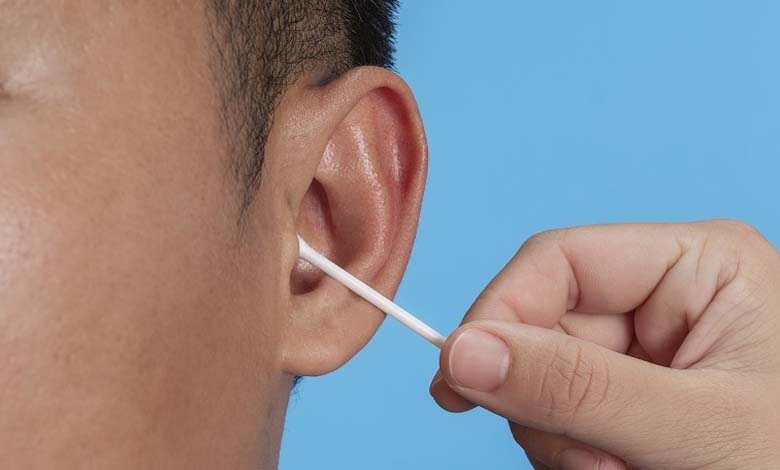
Ear hygiene may seem simple, yet it is widely misunderstood. Many people believe ears must be thoroughly cleaned, as we do with teeth or skin. In reality, the ear is delicate and has its own natural protection system. Incorrect cleaning can cause irritation, infections, pain, and even temporary hearing loss.
Understanding how the ear works and what earwax really is helps us take the right steps.
Earwax: a protector, not dirt
Earwax is produced by glands in the outer ear canal. It is not waste. It plays several essential roles:
- trapping dust, germs, and particles,
- moisturizing the skin of the ear canal,
- preventing irritation and infection.
Movements of the jaw (chewing, talking) gradually push earwax outward, where it dries and falls away. In most people, the ear cleans itself without help.
Why common cleaning methods are risky
Cotton swabs, metal tools, clips, and improvised objects are often used — and often harmful.
They can:
- push wax deeper into the canal,
- scratch the skin,
- perforate the eardrum,
- increase infection risk,
- cause wax blockages.
Wax candles placed in the ear are also unsafe. They do not remove wax and may burn the skin or leave residue inside.
So what is the right way to clean ears?
Most of the time, only the outer, visible part should be cleaned.
- Wipe the entrance of the ear gently with a clean, damp cloth.
- Dry carefully with a towel.
Do not put anything inside the ear canal.
After showering, let water drain naturally and dry gently. Avoid strong water jets.
When ear drops may help
Some people produce thicker or larger amounts of wax. Pharmacy ear drops can soften it, making removal easier. These should be used only as directed, and never if there is pain, fever, unusual discharge, or suspected eardrum perforation.
When to see a doctor
Consult a doctor or ENT specialist if you experience:
- persistent ear blockage,
- notable itching or pain,
- sudden or worsening hearing loss,
- troublesome ringing,
- unusual discharge.
A professional can safely remove wax using proper instruments.
Simple habits to protect your ears
- Avoid inserting objects into the ear canal.
- Be careful with home remedies promoted online.
- Protect ears during long swimming sessions if prone to infections.
- Seek medical advice when unsure.
Conclusion
The best way to clean ears is to respect their natural cleaning system. Rather than trying to remove every trace of wax, focus on keeping the outer ear clean and intact. If discomfort or blockage occurs, medical care is the safest option. Healthy ears are not perfectly empty — they are protected, comfortable, and functioning normally.