Can daily personal-care products affect your hormones?
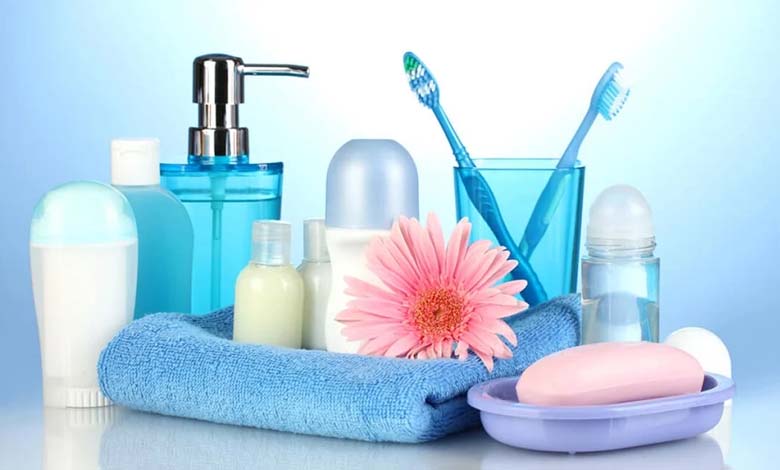
We use personal-care products every day: shampoos, lotions, deodorants, perfumes, soaps, makeup, styling products. They are designed to clean, protect, or enhance appearance. Yet some ingredients may interact with the body in ways that go beyond the surface.
Certain chemicals, known as potential endocrine disruptors, may interfere with the hormonal system — the network that regulates growth, mood, sleep, metabolism, and reproduction. Understanding this topic is not about fear, but about informed choices.
-
How does zinc help fight dandruff?
-
Do deodorants cause cancer? Scientific demystification of a persistent myth
What are endocrine disruptors?
Endocrine disruptors are substances that can imitate, block, or alter the action of natural hormones. They may:
- bind to hormone receptors,
- disturb hormone production or breakdown,
modify how hormones travel through the body.
Their effects can be subtle, cumulative, and influenced by age, duration of exposure, and individual sensitivity.
-
Artificial Intelligence Enters the World of Shopping and Suggests What Suits You
-
How to Protect and Boost Collagen in Your Skin?
Where might they be found?
Some commonly studied ingredients include:
- parabens used as preservatives,
- phthalates linked to fragrances and plastics,
- triclosan, formerly used as an antibacterial agent,
- certain UV filters in sunscreens,
- synthetic fragrances grouped under the term “fragrance”.
These substances can enter the body through the skin, the air we breathe, and occasionally by accidental ingestion.
-
Full-Body Deodorant: Does It Truly Deserve Its TikTok Hype?
-
How Excessive Showering Affects Your Skin
Possible health effects
Research is ongoing, and risks vary by substance and dose. However, repeated exposure to some endocrine disruptors has been associated with:
- menstrual irregularities,
- earlier puberty in some children,
- changes in fertility,
- thyroid disturbances,
- metabolic changes and weight regulation issues,
- developmental concerns during pregnancy.
These are not instant effects; they develop over time and often involve multiple factors.
-
Warning about the Hazards of Daily Showering on the Body
-
Excessive personal hygiene can become a health risk for women
Why “nice smell” does not always mean safer
Fragrance mixes can contain dozens of chemicals, not always fully listed. Some may irritate the skin or interact with hormone pathways. Reducing heavy or persistent fragrance use can meaningfully lower overall exposure.
Skin absorption matters
The skin is protective, but not impenetrable. Repeated application on large areas, especially on damaged or sensitive skin, may increase absorption. Consistency over months and years matters more than a single use.
Practical ways to lower exposure
Rather than eliminating everything, refine your routine.
- Choose products with simpler ingredient lists.
- Avoid using too many products at once.
- Prefer fragrance-free options when possible.
- Use strong perfumes and sprays sparingly.
- Be especially cautious for children and during pregnancy.
-
5 Things You Should Know Before Buying Dietary Supplements
-
Study Reveals the Impact of Processed Foods on Children’s Mental Health
Regulation and responsibility
Authorities regulate many cosmetic ingredients, but science evolves and policy takes time. Staying informed remains one of the best protections.
When to seek medical advice
Consider talking to a doctor or dermatologist if you experience:
- persistent irritation or allergies,
- diagnosed hormonal disorders,
- concerns during pregnancy,
- repeated reactions to personal-care products.
Daily personal-care products are not inherently dangerous, but repeated exposure to certain chemicals may influence hormonal balance. By choosing thoughtfully, reading labels, and simplifying routines, we can reduce unnecessary risks while maintaining hygiene and comfort. Awareness is not fear — it is a step toward protecting long-term health.
-
Itchy skin: an early warning sign of kidney disease
-
Taking Vitamin D Incorrectly Can Endanger Your Health