Why do we drool while sleeping?
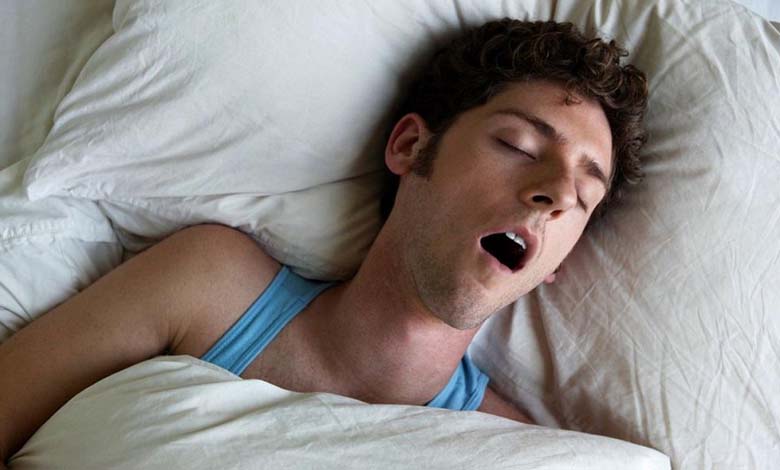
Excessive salivation during sleep, also known as nocturnal hypersalivation, is a common yet often misunderstood phenomenon. While saliva production is a natural and vital process for oral health, the involuntary overflow of saliva during the night can surprise or worry some individuals. This article examines the causes, physiological mechanisms, contributing factors, and potential solutions for managing this phenomenon.
-
Sleeping Next to Your Phone: Long-Term Health Risks
-
Sleeping in Darkness: An Ally for Cardiovascular Health and Inflammation Regulation
1. The role of saliva in the body
Saliva is primarily secreted by the parotid, submandibular, and sublingual glands. It serves several essential functions:
- Lubricating the mouth to facilitate speech and swallowing.
- Protecting teeth and gums through antibacterial enzymes and minerals that prevent decay.
- Aiding digestion by beginning the breakdown of carbohydrates via salivary amylase.
During the day, saliva production varies depending on diet, speech, emotional state, and hydration. Production typically decreases during sleep, but certain conditions can lead to accumulation or excessive flow.
-
Does sleeping with a fan pose a risk to heart health?
-
Doctors Warn Against Sleeping on Your Stomach: What’s the Reason?
2. Main causes of nocturnal drooling
Several factors can explain why someone might produce excessive saliva while sleeping:
a) Sleep position
Sleeping on the side or stomach can cause saliva to leak from the mouth due to gravity. People who sleep on their backs generally experience less nighttime drooling.
b) Airway obstruction
A blocked nose, sinusitis, or snoring may cause mouth breathing, increasing the likelihood of saliva overflow during sleep.
c) Dental or oral issues
Poor occlusion, cavities, infections, or ill-fitting dental prostheses may trigger reflexive saliva production to protect the mouth or facilitate swallowing.
-
Why Should You Avoid Sleeping on the Couch?
-
Sleeping in this position would reduce the risk of having bad dreams
d) Medications and medical conditions
Certain medications, including those for Parkinson’s disease, antipsychotics, or antidepressants, may cause hypersalivation. Neurological disorders, such as facial paralysis or autonomic nervous system dysfunction, can also interfere with normal saliva regulation.
e) Gastroesophageal reflux (GERD)
Acid reflux can irritate the throat and mouth, triggering increased saliva production as a protective response. Some people notice excessive saliva alongside heartburn or nighttime regurgitation.
3. Consequences and discomfort associated with hypersalivation
Although saliva is essential, excessive nighttime production can cause:
- Moisture and discomfort on pillows or sheets.
- Skin irritation around the mouth or chin.
- Sleep disturbances due to frequent awakenings or discomfort.
- Social embarrassment or anxiety regarding the condition.
-
Study: the global food system contributes to obesity and climate change
-
White noise and sleep: real health benefits or overhyped solution?
4. Strategies to manage excessive drooling
a) Adjusting sleep position
Sleeping on the back or using a slightly elevated pillow can minimize gravity’s effect and reduce saliva leakage.
b) Addressing underlying causes
- Clear nasal congestion in cases of cold or sinusitis.
- Consult a dentist for occlusion or prosthetic issues.
- Review medication effects with a healthcare professional.
c) Behavioral and hygienic techniques
- Stay well hydrated to avoid thick saliva.
- Avoid very rich or acidic meals before bedtime, which stimulate salivation.
- Practice daytime nasal breathing to reduce nighttime mouth breathing.
-
How the Gut Influences Your Nighttime Sleep
-
Frequent Nighttime Urination Could Reveal a Respiratory Problem
d) Medical treatments
In severe cases, a doctor may prescribe medications to reduce saliva production or recommend specialized therapies for underlying neurological disorders.
Excessive salivation during sleep is a multifactorial phenomenon influenced by physiology, posture, health status, and environment. While often benign, it may indicate underlying health issues requiring medical attention. A tailored approach combining hygiene, treatment of underlying causes, and behavioral adjustments can significantly improve sleep quality and reduce associated discomfort.
-
The Profound Benefits of the Midday Nap: A Natural Ally for Body, Heart, and Mind
-
Why does your left arm hurt during a heart attack?