Facial wrinkles and brain health: is there a link with dementia?
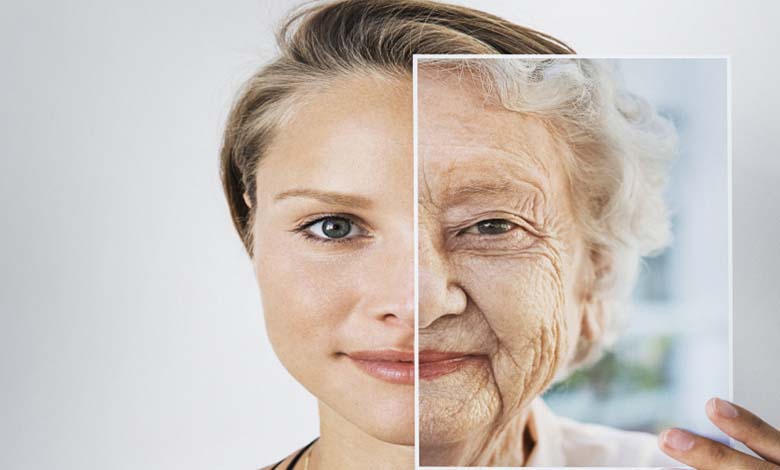
Facial aging, notably the appearance of wrinkles, is a natural process that has long intrigued scientists. Beyond aesthetic concerns, recent research suggests that these physical changes may reflect internal processes affecting the brain and could potentially provide early indications of the risk of cognitive decline, including dementia.
-
The nose and ears stand out: why do facial features appear larger with age?
-
How to remove wrinkles around the lips?
1. Wrinkles as indicators of biological aging
Wrinkles primarily result from loss of skin elasticity and collagen, UV exposure, pollution, smoking, and repeated facial movements. These factors contribute to what researchers call biological aging, which can differ from chronological age. In other words, a person may be 50 years old but exhibit advanced biological aging, manifested by deeper and more numerous wrinkles.
Biological aging is not limited to the skin. It also affects blood vessels, internal organs, and the brain. Therefore, some studies suggest that skin condition could serve as an indirect mirror of brain health.
2. Correlations between wrinkles and cognitive function
Epidemiological studies have begun to explore the link between wrinkles and cognitive decline. For instance, researchers analyzing older populations have found that individuals with advanced skin aging, particularly deep wrinkles and thinner skin, had a slightly higher likelihood of developing cognitive impairments over the following decade.
-
Face Yoga: A Natural Alternative to Cosmetic Surgery?
-
Once Again Starbucks Faces Legal Action Over Hot Beverages
Potential mechanisms underlying this association include:
- Oxidative stress and inflammation: The same biological processes that cause skin aging can affect the brain, damaging neurons and promoting the accumulation of toxic proteins linked to Alzheimer’s disease.
- Cardiovascular health: Wrinkles may reflect accelerated vascular aging, which reduces cerebral blood flow and increases the risk of cognitive decline.
- Environmental exposures: Tobacco, sun, and pollution affect both skin and brain, contributing to premature aging of both organs.
3. The importance of skin markers in prevention
Although wrinkles are not an official diagnostic tool for dementia, they can serve as early warning signals to assess overall biological aging. Geriatric and neurology specialists increasingly recognize that careful observation of the skin, combined with cognitive testing and cardiovascular risk assessment, can help identify individuals at risk.
-
Freezing Time: Discovery of New Anti-Aging Hormones
-
Botox: Frightening Side Effects and Serious Risks
4. Measures to slow skin and brain aging
Several strategies may benefit both skin and brain health:
- Sun protection and skincare: Limiting UV exposure and using suitable creams reduces skin damage.
- Regular physical activity: Exercise improves blood circulation, brain metabolism, and skin cell regeneration.
- Balanced diet and antioxidants: A diet rich in fruits, vegetables, omega-3 fatty acids, and vitamins reduces oxidative stress.
- Sleep and stress management: Quality sleep and stress reduction support the regeneration of brain and skin cells.
- Avoid smoking and excessive alcohol: These substances accelerate biological aging and increase the risk of cognitive disorders.
Facial wrinkles are not merely aesthetic markers of the passage of time; they can also reflect overall biological aging and, to some extent, brain health. While they are not a definitive indicator of dementia, wrinkles can serve as early warning signs, prompting preventive measures to protect both the skin and cognitive function. Considering skin aging as part of a comprehensive health assessment may help identify individuals at risk of cognitive decline earlier and encourage targeted interventions.
-
The Best Vitamins for Healthy and Glowing Skin
-
Drinking a lot of water… Does it really help hydrate your body?