Processed foods may increase the risk of cancer and diabetes
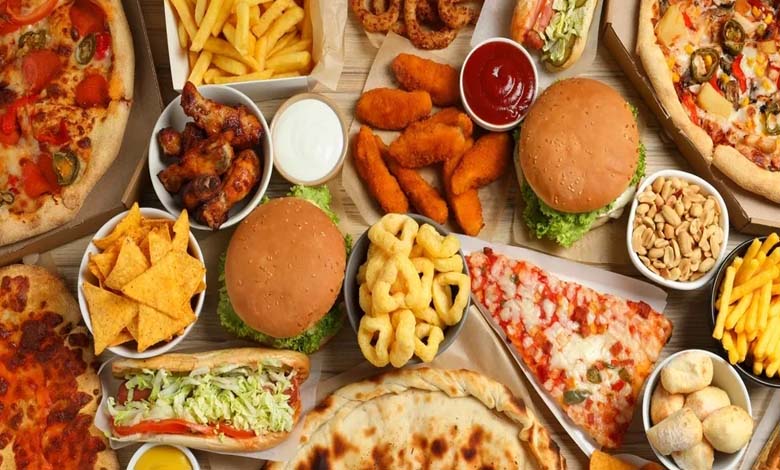
Over the past few decades, processed foods have become a central component of dietary habits worldwide. Convenient, affordable, and often appealing in taste, they meet the demands of modern lifestyles characterized by time constraints. However, a growing body of scientific evidence highlights the concerning health consequences of excessive consumption, particularly its association with an increased risk of cancer and type 2 diabetes.
Processed foods encompass a broad category of products that have undergone industrial modifications to extend shelf life, enhance flavor, or simplify preparation. These include ready-to-eat meals, salty and sweet snacks, sugary beverages, refined cereals, processed meats, and many products rich in additives, added sugars, saturated fats, and salt.
One of the main issues associated with these foods lies in their high energy density combined with low nutritional value. They often provide excessive calories while being poor in fiber, vitamins, and essential minerals. This imbalance promotes weight gain, obesity, and metabolic disturbances, which are major risk factors for the development of diabetes and several types of cancer.
Regarding type 2 diabetes, numerous studies have demonstrated a link between regular consumption of ultra-processed foods and impaired blood glucose regulation. The rapid sugars and refined carbohydrates found in these products cause repeated spikes in blood sugar levels, placing excessive strain on the pancreas. Over time, this metabolic overload can lead to insulin resistance, a key mechanism in the onset of diabetes.
In addition, poor-quality fats, such as trans fatty acids and certain saturated fats, contribute to chronic low-grade inflammation. This type of inflammation is now recognized as a central factor in the development of many metabolic diseases, including diabetes and cardiovascular conditions.
The relationship between processed foods and cancer is also a growing concern within the scientific community. Processed meats, such as cured and smoked products, have been classified as carcinogenic by the International Agency for Research on Cancer, largely due to the presence of nitrites, nitrates, and compounds formed during industrial processing. These substances can promote the formation of carcinogenic agents within the body.
Other mechanisms are also under investigation, particularly the repeated exposure to certain food additives, colorants, flavor enhancers, and emulsifiers. Although these substances are authorized within regulated limits, their cumulative and long-term consumption raises questions about their potential effects on cellular health and the intestinal microbiota.
The microbiota, the complex community of microorganisms living in the gut, plays a crucial role in immunity, metabolism, and disease prevention. Several studies suggest that ultra-processed foods may disrupt this delicate balance, leading to intestinal dysbiosis associated with chronic inflammation and an increased risk of metabolic and cancer-related diseases.
Beyond biological mechanisms, the consumption of processed foods is often part of an overall lifestyle that is unfavorable to health. It is frequently associated with low levels of physical activity, high stress, and reduced intake of fresh foods such as fruits, vegetables, legumes, and whole grains, which are known for their protective effects.
In response to these findings, public health experts recommend prioritizing diets based on whole or minimally processed foods. Such diets, rich in fiber, antioxidants, and essential nutrients, help stabilize blood sugar levels, reduce inflammation, and strengthen the body’s natural defenses against cancer.
This does not necessarily mean eliminating processed foods entirely, but rather limiting their presence in daily meals and developing a more critical approach to reading nutritional labels. Reducing the intake of added sugars, salt, and unhealthy fats represents a key step toward better prevention of chronic diseases.
In conclusion, current scientific evidence suggests that excessive consumption of processed foods constitutes a significant risk factor for diabetes and certain cancers. In a context where these diseases are rising at an alarming global rate, rethinking dietary choices appears to be a crucial lever for prevention, both at the individual and collective levels.