Colorful breakfast cereals: appeal versus nutritional reality
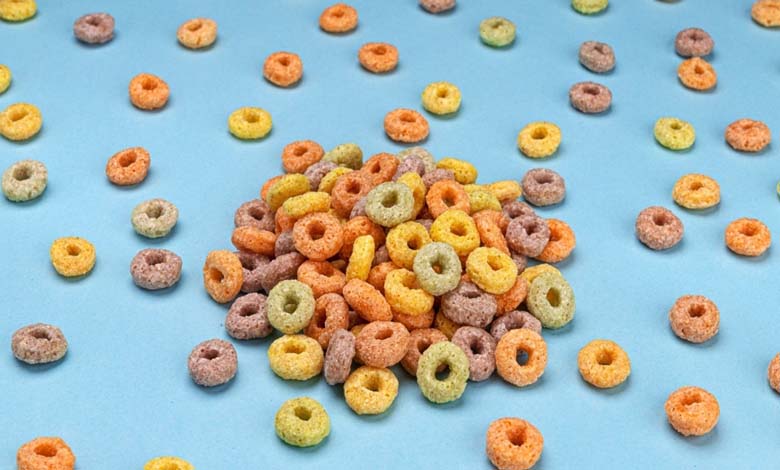
Colorful breakfast cereals hold a prominent place in many households, especially among children and teenagers. Their bright colors, sweet taste, and playful appearance make them highly appealing. However, beyond their convenience and visual appeal, an important question arises: are these cereals truly healthy, or do they represent a questionable nutritional choice?
-
3 Daily Habits That Could Harm Your Brain
-
How to Protect Your Joints from Winter Stiffness with Simple Foods
From an industrial perspective, colorful cereals are often made from refined grains such as corn, rice, or wheat. These grains undergo multiple processing steps that significantly reduce their natural content of fiber, vitamins, and minerals. To offset these losses, manufacturers frequently fortify their products with vitamins and iron, allowing them to promote appealing nutritional claims on packaging.
One of the main concerns is their high content of added sugars. Many colorful cereals contain substantial amounts of sugar, sometimes equivalent to several teaspoons per serving. Consuming large quantities of sugar early in the morning can lead to rapid spikes in blood glucose levels, followed by energy crashes that promote fatigue and mid-morning hunger.
-
“They must not miss them” : Doctors reveal the most important nutrients for children
-
Flavonoids – Nature’s Defense Against Aging
Food colorings also raise ongoing debate. Although most color additives used are approved by health authorities, some studies suggest that frequent consumption may be linked to attention difficulties or increased hyperactivity in certain sensitive children. While the evidence is not conclusive, caution is advised, particularly when these products are consumed on a daily basis.
In terms of satiety, colorful cereals also show limitations. Their low fiber and protein content means they often fail to keep individuals full for long periods. Compared to more wholesome foods such as oatmeal or whole-grain bread, they may not provide sustained fullness, which can lead to excessive snacking and overall dietary imbalance.
That said, it is important to adopt a balanced perspective. Not all colorful cereals have the same nutritional profile. Some brands have made efforts to reduce sugar content, increase whole-grain proportions, and limit artificial additives. Careful reading of nutrition labels is therefore essential for making informed choices.
Consumption context also plays a key role. When paired with protein-rich milk, plain yogurt, or fresh fruit, colorful cereals can occasionally fit into a more balanced breakfast. Problems arise when they become the primary and daily foundation of the morning meal.
From a public health standpoint, nutrition professionals generally recommend prioritizing less processed alternatives. Unsweetened whole-grain cereals, oats, fruits, and protein-rich foods offer superior nutritional value and help maintain stable energy levels throughout the morning.
In conclusion, colorful breakfast cereals cannot be considered inherently healthy. Their high sugar content, low fiber levels, and use of additives raise valid concerns. When consumed occasionally as part of a varied diet, they are unlikely to cause significant harm. However, for a daily breakfast that supports long-term health, more natural, whole, and less sugary options remain the preferable choice.