Lebanon monitors reports of movements by remnants of the al-Assad regime near the Syrian border
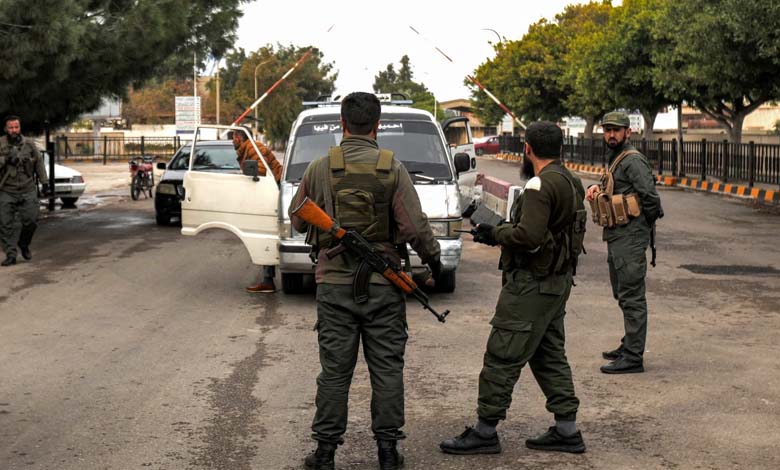
Activists confirm the presence of hundreds of former regime officers in the border town of Al-Hayassa, posing a security threat to both Syria and Lebanon.
As documents and recordings circulate reporting movements by elements of the “remnants” of the ousted Syrian regime in Lebanese areas near the border, particularly in the town of Al-Hayassa in the Akkar governorate in the north, concerns and warnings are mounting over attempts to reorganize the military landscape against the Syrian government. Calls have also been made for Lebanese official authorities to take action.
-
War Cuts “Bridges” Between Lebanon and Syria: Second Crossing Out of Service
-
“Including Syria and Lebanon”: How the Israeli Army Prepares for “Operation Winter”
Documents recently broadcast by Qatari media highlighted the role of former “Brigade 42” commander Ghiyath Dalla and former “Elite Forces” leader Souheil al-Hassan in coordinating military operations and reactivating cells loyal to the former regime, as well as in setting up offices in Lebanon to manage these activities.
The documents shed light on the presence of military groups affiliated with the remnants of the regime, distributed across Syrian provinces, with details on their numbers, types of weapons and sources of funding. They also reveal that around 20 former pilots, led by Air Force General Mahmoud Hassouri, are residing in Lebanon with their families and seeking to join Souheil al-Hassan’s forces.
They further indicate that Lebanese groups are prepared to take part in potential armed movements.
-
Iran attempts to move thousands of militants to border areas between Syria and Lebanon… Why?
-
Forced displacement and abuse – Syrians face their biggest nightmares in Lebanon
In this context, Lebanese journalist and political activist Jad Yatim said that “Lebanon is witnessing the presence of a number of officers and military personnel from the former Syrian regime,” warning that these groups represent “a serious security threat.”
He explained that “their numbers are estimated in the hundreds, including senior officers and non-commissioned officers, most of whom moved to Lebanon under the protection of political parties and beyond effective security oversight.”
He added that they “form active networks cooperating with local actors and enjoying protection,” and are suspected of involvement in the events and massacres on the Syrian coast last March, having contributed to the planning and leadership of certain mutinous operations that targeted civilians and destabilized the country.
-
The flying of Israeli jets very low over parts of Lebanon and blasts in Syria
-
Leaks Reveal the Structure, Leadership, and Funding of Al-Assad Regime Remnants
He warned that these individuals pose a “dual threat” to both Lebanon and Syria, stressing that the remnants of the ousted Syrian regime “threaten relations with friendly countries such as Syria and could be used to stir internal strife within Lebanon.”
He noted that “their political activities also include securing funding and resources inside Lebanon, with the potential to turn at any moment into a threat to Lebanese security.”
He added that “most of these individuals are implicated in war crimes, and some are wanted by Syrian and French judicial authorities, making their presence in Lebanon dangerous and exposing the country to the risk of potential mercenaries.”
-
Israel tightens its grip on Hezbollah in Lebanon: strike on training complex and weapons depots
-
Israel secretly armed al-Hajri’s forces to sow chaos in Syria
Regarding what he described as the “slow official response” to the issue, the political activist said: “So far, we have not seen seriousness in addressing this matter, whether politically or from a security standpoint. The raids conducted do not match the scale of the threat or the information available about them.”
On security cooperation between Lebanon and Syria, Yatim emphasized that “this file requires daily and effective cooperation between the security agencies of both countries to control the borders and monitor the movements of these cells.”
He stressed that “any planning of operations inside Syria could have repercussions inside Lebanon, potentially creating new complications in relations between the two countries.”
-
Syrians and Palestinians barred from entering the United States alongside nationals of six other countries
-
What Awaits Lebanon if Washington’s Deadline for Hezbollah’s Disarmament Expires?
For his part, journalist specializing in judicial affairs Youssef Diab said that Lebanese security agencies have no information indicating the presence on Lebanese territory of wanted individuals from the “remnants” of the Syrian regime, despite the extensive media coverage of the issue.
Diab stated that “the Lebanese state has not received from the Syrian authorities any list of names of these alleged individuals, nor have Lebanese security agencies obtained any information suggesting that Syrians are planning security operations against their government from within Lebanon.”
He continued by saying that “the agencies are operating within a preventive security framework to follow up on any information regarding these individuals, but so far no evidence of their presence has been found,” explaining that “reports about training camps in the Hermel region in the northeast and in Al-Hayassa in Akkar are inaccurate, and that the Lebanese army conducts regular monitoring without recording the presence of armed groups or training activities on the country’s territory.”
-
Syria foils mine smuggling attempt, sending a strict message to Hezbollah
-
Israeli female unit spying deep inside Syria… Secrets of Site 720
Diab noted that “the Lebanese state maintains a state of security vigilance and continues to monitor the issue closely.”
He also pointed to the receipt of “a notice from the United States via Interpol against the former head of the Syrian regime’s National Security Bureau, Ali Mamlouk, and the former director of Air Force Intelligence, Jamil Hassan, accused of systematic torture and executions, to verify whether they are present on Lebanese soil.”
He spoke of a judicial request from French authorities concerning “a number of Syrian officers accused of killing French nationals in Damascus before the fall of the al-Assad regime.”
-
Syrian Ministry of Foreign Affairs: The Israeli attack on Beit Jinn is a war crime
-
War fatigue and internal pressure: Israel begins reducing its reserve forces
A judicial request is a legal term referring to the delegation by a competent judicial authority to another administrative or judicial authority to carry out certain actions, such as investigations or the hearing of witnesses.
In December, The New York Times reported that senior figures of the ousted Syrian regime continue to live in hiding inside and outside the country, with some maintaining a life of luxury while others face difficult living conditions.
Diab confirmed that “Lebanese security agencies are investigating these files, but so far no trace of these individuals has been found, whether in relation to the American notice or the French judicial request.”
-
Israel announces the killing of a Hezbollah commander: the logistics support chief
-
Israeli Airstrikes on Lebanon’s Bekaa and North: Hezbollah Infrastructure and Missile Sites Targeted
He concluded by affirming that reports about the existence of training camps and armed groups on Lebanese territory are “unfounded,” and that no hostile activity or threat against Syria has been recorded by Syrian officers inside Lebanon.
During a Cabinet session held last Thursday, Lebanese President Joseph Aoun affirmed that “his country will not be a launchpad for any hostile actions against Syria,” without providing further details.
In response to a question about reports of the presence of al-Assad regime officers in Lebanon, Aoun said in a televised interview on Sunday that “there are no such officers as claimed by one television station; rather, there are refugees, Alawite military elements, and lower-ranking officers who have no real influence.”
-
After the Gaza Agreement… Receding Justifications and Rising Pressure to Disarm Hezbollah
-
Israel continues its incursions in Syria despite the prospect of a security deal
He added that “the Lebanese army, the Intelligence Directorate and security agencies raided camps in Hermel and locations where Syrians are present in the northern region, and none of the claims made were substantiated,” stressing the existence of “communication and coordination” with the Syrian state in this regard.
On Friday, Lebanese Deputy Prime Minister and Minister Tarek Mitri expressed concern over media reports about movements by supporters of the former Syrian regime, calling on security agencies to verify the accuracy of the information.
In a post on the X platform, Mitri said that “responsibility does not lie with security agencies alone, but with everyone, in order to avert the risks of carrying out any actions that could undermine Syria’s unity or threaten its security and stability, whether in Lebanon or originating from it.”
-
Details of Israel’s first airborne landing of its kind in Syria
-
Key Provisions of the Expected Security Settlement Agreement Between Syria and Israel
He added that “cooperation with Syrian authorities must be strengthened on the basis of trust and mutual respect.”
Meanwhile, the Syrian administration is making intensive efforts to restore security and assert control, as part of its plans to recover from the repercussions of the devastating war, advance reconstruction, achieve stability and revive the country.
-
Disagreements Surround the Renewal of UNIFIL’s Mandate: A Decisive Security Council Vote
-
Israel Fears a New October 7 from Syria and Strengthens Borders with Barriers and Additional Forces
-
Clashes near Sweida shatter ceasefire: Washington urges Syrians to build a new unified identity