How stress affects gut health : A complex relationship between the mind and the digestive system
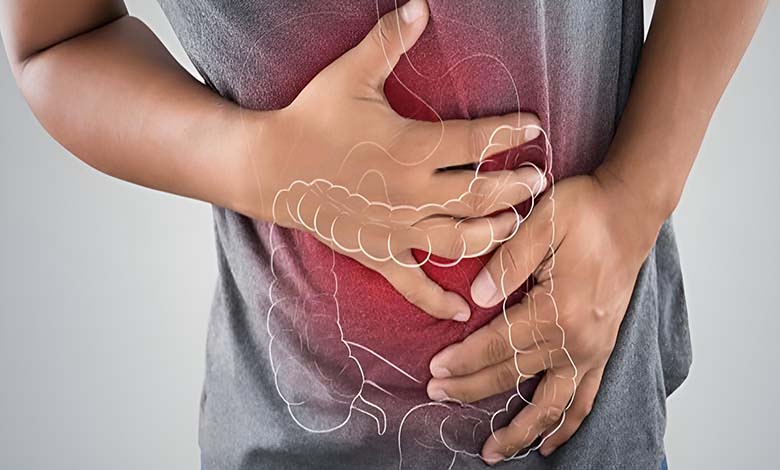
Stress is a natural physiological response to perceived threats, but when it becomes chronic, it can have profound effects on overall health, particularly gut health. The intestines, often referred to as the “second brain,” contain a complex network of neurons and gut bacteria that closely interact with the central nervous system. Understanding how stress influences this system is essential for preventing or mitigating digestive disorders and metabolic imbalances.
-
Digestive System Member “Responsible” for Parkinson’s Disease
-
Gut Health After 40: The Changes You Need to Know
Stress activates the hypothalamic-pituitary-adrenal axis, triggering the release of cortisol and adrenaline. These hormones alter intestinal motility, increase mucosal permeability, and influence the composition of the gut microbiota. Immediate consequences may include abdominal pain, cramps, bloating, and changes in bowel habits, such as constipation or diarrhea.
Over time, chronic stress disrupts the balance of the gut microbiota, promoting the growth of pathogenic bacteria and reducing microbial diversity. This intestinal dysbiosis can amplify local and systemic inflammation, affect immunity, and increase the risk of inflammatory bowel diseases such as ulcerative colitis or Crohn’s disease. It may also influence energy metabolism and contribute to metabolic disorders such as obesity and insulin resistance.
-
Ginger: A Natural Remedy for Digestive Disorders?
-
Showering Right After Eating: A Common Habit That May Affect Digestive Health
Stress also significantly affects the intestinal barrier. Prolonged exposure to cortisol weakens tight junctions between epithelial cells, increasing intestinal permeability, often referred to as a “leaky gut.” This permeability allows toxic substances and bacteria to enter the bloodstream, triggering systemic inflammation and exacerbating chronic diseases.
The interactions between stress and the gut are not limited to physiological aspects. Neural signals from the central nervous system influence mucus secretion, digestive enzyme production, and intestinal muscle activity. Patients exposed to chronic stress often report heightened sensitivity to abdominal pain, highlighting the brain’s role in modulating digestive sensations.
Moreover, stress influences eating behaviors. Research shows that stressed individuals tend to prefer high-sugar and high-fat foods, which can alter the microbiota composition and amplify gut inflammation. Stress-induced sleep disturbances further exacerbate this vicious cycle by disrupting circadian rhythms essential for proper digestive function.
Preventing and managing the impact of stress on the gut requires a multidimensional approach. Relaxation techniques, meditation, yoga, and deep breathing have been shown to reduce cortisol and regulate intestinal motility. A diet rich in fiber, prebiotics, and probiotics helps maintain a balanced microbiota, while regular physical activity supports digestive resilience and hormonal regulation.
-
Eggs cause cancer: a controversial medical report sparks debate in India
-
How the Gut Influences Your Nighttime Sleep
In conclusion, chronic stress does not only affect mental health; it directly impacts gut health, alters microbial composition, weakens the intestinal barrier, and disrupts motility. Recognizing and addressing these effects is essential for preventing digestive disorders and maintaining overall balance. Gut health and stress management are dynamically interconnected, highlighting the importance of an integrative approach to prevention and well-being.
-
Can you lower cholesterol without taking statins? A comprehensive analysis of natural and scientific alternatives
-
Why should you eat dinner earlier in winter?