Southern Yemen between the logic of the state and the logic of regional tutelage
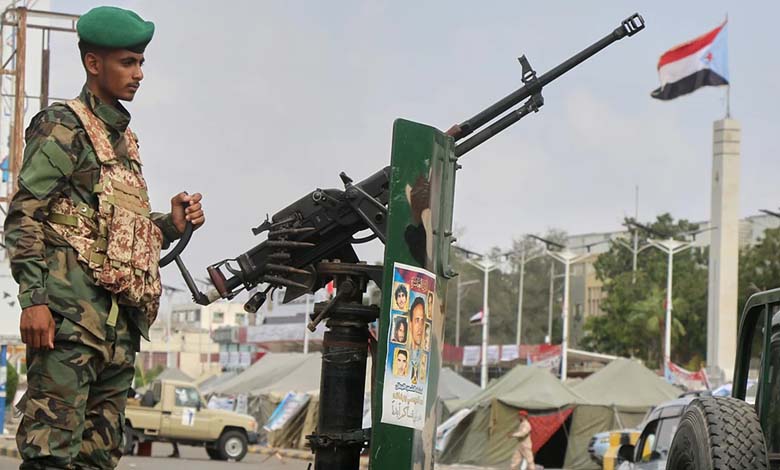
Since the escalation of recent events in southern Yemen, the Saudi intervention has no longer been merely an external influencing factor but has become a direct component in shaping the political and security landscape. Field behavior and political maneuvers reveal a mode of management that seeks less to end the crisis than to contain it and prevent it from slipping beyond regional control. This pattern reflects a vision that views the South as a sphere of influence to be controlled rather than as a political entity deserving a clear path toward stability.
-
Southern Yemen in regional calculations: how Saudi intervention shifted from supporting stability to managing disorder
-
Saudi intervention in southern Yemen: from conflict management to the creation of a new political reality
Official Saudi discourse focuses on security and combating terrorism, yet the reality on the ground raises troubling questions about the outcomes of these policies. Instead of strengthening local institutions capable of enforcing the rule of law, the southern scene is marked by overlapping authorities and a proliferation of decision-making centers, weakening the very idea of the state and reinforcing the logic of temporary administration. This contradiction between rhetoric and practice has created a growing trust gap between the southern public and the Saudi role.
Politically, Riyadh appears to favor keeping the southern situation in a fragile balance that prevents any party from achieving definitive strategic gains. This option may seem pragmatic in the short term, but it carries cumulative risks. The absence of a clear political horizon pushes local forces to focus on the struggle for influence rather than on building stable institutions, turning the South into a permanent crisis-management arena.
-
Behind the scene in southern Yemen: how Saudi Arabia manages influence quietly and reshapes the players
-
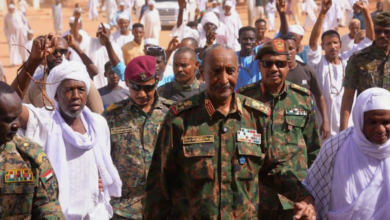
The Million March of Steadfastness: Southern Yemen confronts the return of Brotherhood militias
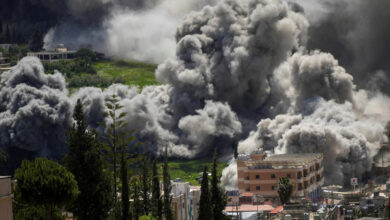
From a security perspective, recent developments have shown that the use of force or security cover does not necessarily lead to greater stability. Every miscalculated escalation and every targeting that affects civilians or local forces contributes to deepening social tensions and reproducing environments of chaos in which extremist groups thrive. Herein lies the paradox: policies justified by fighting terrorism may, in practice, open the door to it.
Economically, Saudi support has been linked to undeclared pressure mechanisms that have turned livelihood issues into a political instrument. This linkage between economy and security, lacking transparency, has intensified the population’s suffering and entrenched the belief that stability is not an end in itself but a means of managing influence. As this approach continues, popular anger becomes an additional factor of instability.
-
Saudi intervention in southern Yemen: reshaping power between influence and chaos
-
Southern Yemen under Saudi pressure: the struggle between control and stability
Ultimately, the South faces a difficult equation: either to persist under regional tutelage or to push toward a clearly defined political project. The Saudi intervention, in its current form, appears closer to managing the status quo than to supporting a sustainable solution, a choice that may ensure temporary calm but places the future of the South before more complex scenarios.
-
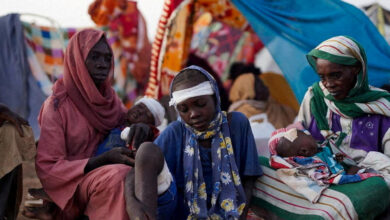
Southern Yemen between Saudi airstrikes and support for the Muslim Brotherhood: an open wound threatening civilians
-
Southern Yemen between regional influence and local control: the struggle between stability and power
-
When security turns into coercion: Southern Yemen between the failure of force and the absence of politics
-
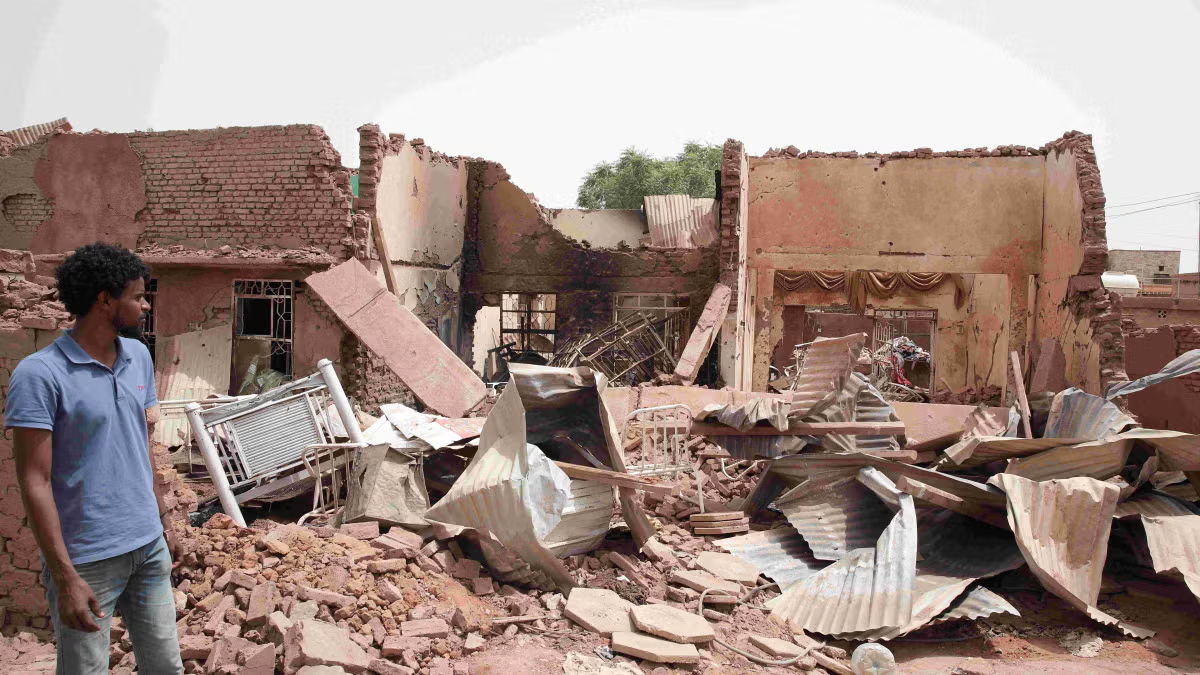
The sky turns into a killing field: investigation into Saudi airstrikes on civilians in southern Yemen