Tunisian Muslim Brotherhood and the ban: Ghannouchi’s rulings set the final stone in motion
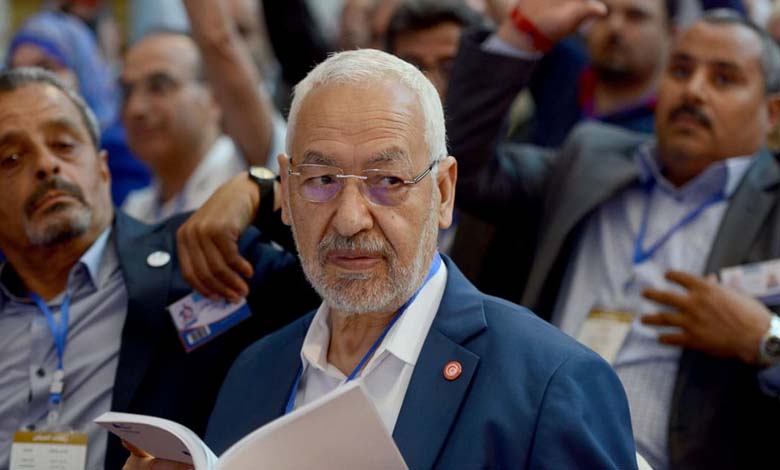
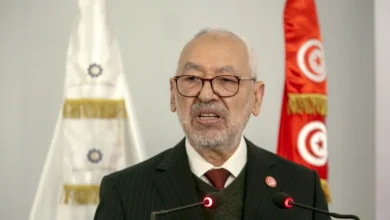
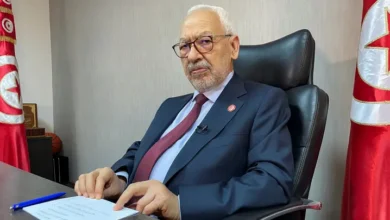
The decline of the Muslim Brotherhood in Tunisia began with their removal from power several years ago, but it now appears that the final chapter will be written by judicial rulings issued against their leader, Rached Ghannouchi.
Following a new court verdict handed down on Monday against Ghannouchi in a foreign funding case, questions have once again risen to the forefront of the Tunisian political scene, centering on the fate of Ennahdha, the political arm of the Brotherhood.
-
The Ghannouchi Hunger Strike: A Desperate Attempt to Salvage What Remains of Tunisia’s Muslim Brotherhood
-
Ghannouchi Continues to Hide Behind His Absence as Tunisian Judiciary Moves Forward
A Tunisian court specializing in financial corruption cases sentenced Ghannouchi, the movement’s leader, to three years in prison and fined the party 45,000 Tunisian dinars, equivalent to approximately 15,000 US dollars.
This latest ruling brings the total length of sentences issued against Ghannouchi in multiple cases to nearly 48 years in prison.
The case, widely known in the media as “Lobbying 2,” involves allegations that the Ennahdha movement received foreign funding from a company operating in the United States in exchange for services generally aimed at securing support and backing during the 2019 elections.
Tunisian party law prohibits the acceptance of any funding from foreign entities. Authorities consider this case to be directly linked to state sovereignty and the protection of national decision-making from external interference, particularly through lobbying networks or pressure contracts abroad.
-
Rached Ghannouchi Rejects Remote Trial Appearance: Conspiracy 2 Case Shakes the Muslim Brotherhood in Tunisia
-
Second Conspiracy Case: Ghannouchi Boycotts First Hearing
In the hands of the judiciary
Following the latest verdict and the accumulation of sentences against Ghannouchi, observers largely agree that the dissolution and banning of the Islamist Ennahdha movement now rests with the judiciary.
Commenting on these developments, writer and political analyst Basel Trujman stated that the judiciary is the only authority legally empowered to dissolve political parties.
He explained that “if there are legal violations in this regard, no individual, regardless of their position, can make such a decision except the courts.”
He added that “the court’s ruling sentencing Rached Ghannouchi to three years in prison for foreign funding is explicit and clear, and contains no political overtones, contrary to claims made by some.”
-
Planned a Chaos Plot with Ghannouchi’s Son: Former Tunisian Presidential Candidate Sentenced to 5 Years in Prison
-
Tunisian Judiciary Extends Detention of Islamist Lajmi Lourimi, Successor to Ghannouchi
According to the analyst, “a party leader receiving foreign funds to finance elections confirms the scale of suspicions, financial corruption, and questionable funding that have characterized much of Tunisia’s political activity since the fall of Zine El Abidine Ben Ali’s regime in 2011, up to the 2019 parliamentary and presidential elections, during which political money played a dangerous and dubious role.”
This assessment is echoed by Tunisian law professor and researcher Zied Al-Qasmi, who notes that “Article 56 of the 2019 Political Parties Law stipulates that a political party shall be dissolved by a court ruling if it accepts foreign funding, violates Article 7 of the law, or fails to publish its financial statements and audit reports for three consecutive years after the legal deadlines,” which, he argues, applies to Ennahdha.
-
Tunisia: Rached Ghannouchi refuses to appear before the judiciary in a money laundering case
-
Including Ghannouchi: 21 Muslim Brotherhood Members Referred to Terrorism Court for “Coup Plot”
Al-Qasmi said that “despite this, the Ennahdha party has not been formally dissolved, but the suspension of its activities and meetings remains in effect.”
In May 2024, the Tunisian judiciary had already sentenced Ghannouchi to three years in prison and imposed a financial fine in a case related to foreign funding.
That ruling concerned the case known in the media as “Lobbying 1,” or the foreign funding case, brought against the Ennahdha movement, its leader Rached Ghannouchi, who is currently imprisoned, and his son-in-law Rafik Abdessalem, who is currently on the run.
-
Ghannouchi referred for investigation in the case of the Muslim Brotherhood’s secret apparatus: Details
-
Tunisia’s Brotherhood: Court Upholds Ghannouchi’s One-Year Prison Sentence for “Tyrants”