Can Warm Tea Really Relieve Winter Coughs?
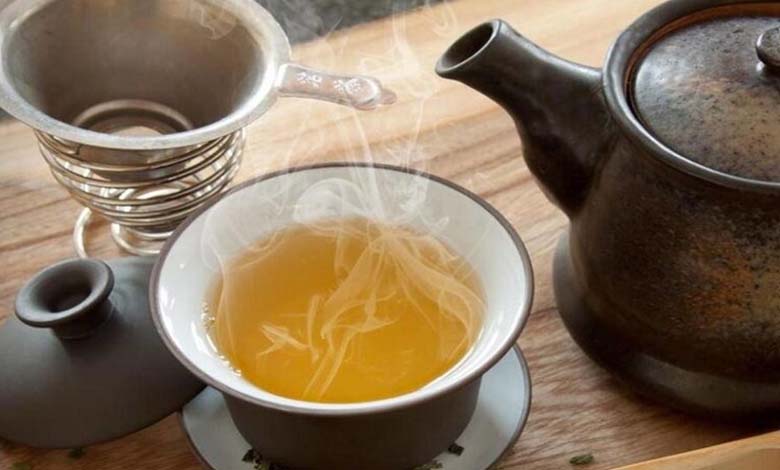
With the arrival of winter, respiratory infections become more common and are often accompanied by a persistent cough. To relieve this uncomfortable symptom, many people turn to simple and traditional remedies, among which warm tea holds a prominent place. But does this widely practiced habit have a real scientific basis, or is it mainly a matter of temporary comfort?
-
The Relationship Between Matcha Tea and Anemia: An In-Depth Analysis
-
Half a Teaspoon of Olive Oil a Day May Improve Memory
Winter coughs are usually linked to viral infections of the upper respiratory tract, such as colds or influenza, as well as to cold, dry air that irritates the mucous membranes. This irritation stimulates cough receptors in the throat and bronchi, triggering a reflex designed to protect the airways. In this context, any substance capable of hydrating, soothing, or reducing local inflammation may help ease symptoms.
One of the main benefits of warm tea lies in its temperature. Heat promotes the dilation of blood vessels in the throat, which can improve local circulation and help relax surrounding muscles. This effect reduces the sensation of irritation and scratchiness commonly associated with dry coughs. In addition, warmth stimulates the production of saliva and mucus, helping to lubricate the mucous membranes and decrease the frequency of coughing fits.
-
Avocado and Green Tea – Major Allies for Brain Health
-
Could Bubble Tea Become a Natural Weight-Loss Alternative Without Medication?
Hydration also plays a crucial role. During winter, people often drink less, leading to thicker respiratory secretions that make coughing more uncomfortable. Drinking warm tea provides fluids that help thin mucus, making it easier to expel in the case of a productive cough. This effect is particularly useful during mild respiratory infections, where clearing secretions helps relieve the airways.
Beyond warm water, the components of tea itself may offer specific benefits. Black and green tea contain polyphenols and antioxidants known for their mild anti-inflammatory and antimicrobial properties. These compounds may help reduce local inflammation and support the immune response, although their effects are complementary and do not replace medical treatment when required.
-
It improves digestion – 7 benefits of star anise tea
-
Bariatric Tea: An Innovative Natural Recipe for Obesity Treatment
Herbal infusions, often referred to as teas, are especially popular in winter. Thyme, for example, has well-documented expectorant and antiseptic properties. Chamomile is known for its soothing effects on mucous membranes, while ginger may help reduce inflammation and provide a comforting warming sensation. Adding honey can further enhance these benefits, as it forms a protective coating on the throat and has been shown to reduce nighttime coughing, particularly in children over one year of age.
However, the limitations of warm tea should be acknowledged. While it may relieve symptoms, it does not treat the underlying cause of a cough, whether it is viral, allergic, or related to a chronic condition such as asthma. If a cough persists, is accompanied by high fever, shortness of breath, or chest pain, medical advice is essential.
In conclusion, warm tea can indeed help relieve winter coughs through its combined effects of warmth, hydration, and, depending on the type, mild anti-inflammatory properties. It represents a simple, accessible, and generally safe supportive measure that fits well into a broader approach aimed at improving respiratory comfort during the winter months.
-
Cold Water for Weight Loss: Myth or Scientific Reality?
-
Extra Virgin Olive Oil: How It Protects You from Disease
-
Are fruits safe during a period of sugar abstinence?