Can Tomato Juice Lower Blood Pressure and Protect Your Heart?
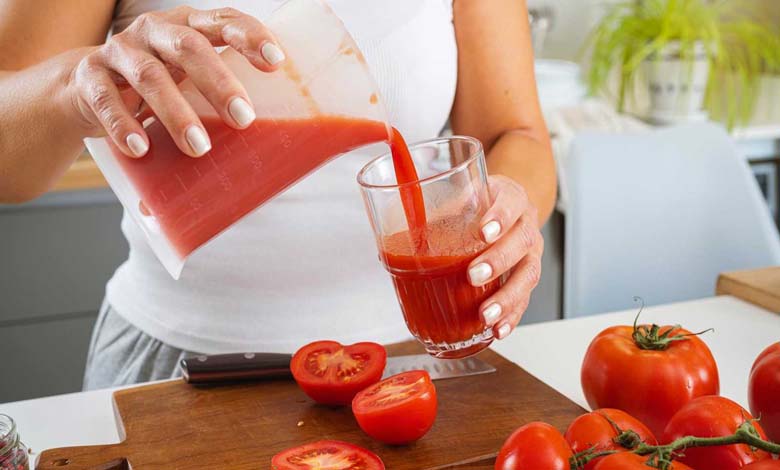
Cardiovascular diseases remain one of the leading causes of death worldwide, with high blood pressure being one of their most significant risk factors. In this context, diet plays a crucial role in both the prevention and management of cardiovascular disorders. Among the foods studied for their potential heart-protective effects, tomato juice has attracted increasing scientific interest. Rich in essential nutrients and bioactive compounds, it may contribute to blood pressure regulation and overall cardiovascular health.
-
Tomatoes may lower the risk of liver cancer: insights from scientific research
-
Consuming tomatoes for two weeks would be beneficial for health
Tomatoes are an important source of potassium, a mineral essential for fluid balance and blood pressure control. Potassium helps counteract the effects of sodium, excessive intake of which is strongly linked to elevated blood pressure. By promoting sodium excretion through the kidneys and improving the relaxation of blood vessel walls, potassium supports more stable blood pressure levels. Tomato juice, when consumed without added salt, can therefore be a valuable component of a heart-friendly diet.
Another key component of tomato juice is lycopene, a powerful antioxidant belonging to the carotenoid family. Lycopene is responsible for the characteristic red color of tomatoes and has been extensively studied for its cardiovascular benefits. It helps reduce oxidative stress, a process involved in vascular aging and the development of atherosclerosis. By limiting the oxidation of LDL cholesterol, lycopene contributes to the prevention of plaque formation in arteries, thereby reducing the risk of hypertension and coronary heart disease.
-
Tomato flu: why this name?
-
The Remarkable Health Benefits of Pumpkin and Its Seeds: A Nutritional Treasure Beyond Autumn
Processing tomatoes into juice enhances the bioavailability of lycopene. Unlike some heat-sensitive vitamins, lycopene becomes more easily absorbed after thermal processing. As a result, tomato juice can provide a significant amount of bioavailable lycopene, increasing its nutritional value compared to raw tomatoes alone.
Tomato juice also contains phenolic compounds and vitamins, particularly vitamin C, which support endothelial function. The endothelium, a thin layer of cells lining the inside of blood vessels, plays a crucial role in regulating vascular tone. Optimal endothelial function promotes vasodilation and efficient blood flow, helping to lower blood pressure and protect the heart.
-
How seasonal fruits and vegetables strengthen your immunity
-
Foods that promote good nutrition in the elderly
Several observational and clinical studies suggest that regular consumption of tomato juice is associated with a modest reduction in blood pressure, especially among individuals with mild hypertension. While these effects are moderate, they become meaningful when integrated into a comprehensive lifestyle approach that includes a balanced diet, regular physical activity, and reduced salt intake.
However, certain precautions should be noted. Commercial tomato juices may contain high levels of sodium, which can offset their potential benefits for blood pressure control. Choosing low-sodium options or preparing tomato juice at home is therefore advisable. Moreover, tomato juice should not be considered a substitute for medical treatment in individuals with severe hypertension or established cardiovascular disease.
-
Lettuce at Suhoor… A Shield against Dehydration during Fasting
-
3 Foods That Reduce the Risk of Heart Disease and Promote Gut Health
In conclusion, tomato juice can be a valuable ally for cardiovascular health thanks to its potassium content, lycopene, and antioxidant properties. When consumed regularly and in moderation as part of a healthy lifestyle, it may contribute to lowering blood pressure and protecting the heart over the long term.
-
Why Does Food Taste Different on Airplanes?
-
5 Foods to Avoid During Pregnancy to Prevent Heartburn
-
Diabetes: the best snacks should be preferred when you have