Why Are Chia Seeds Creating a Health Revolution?
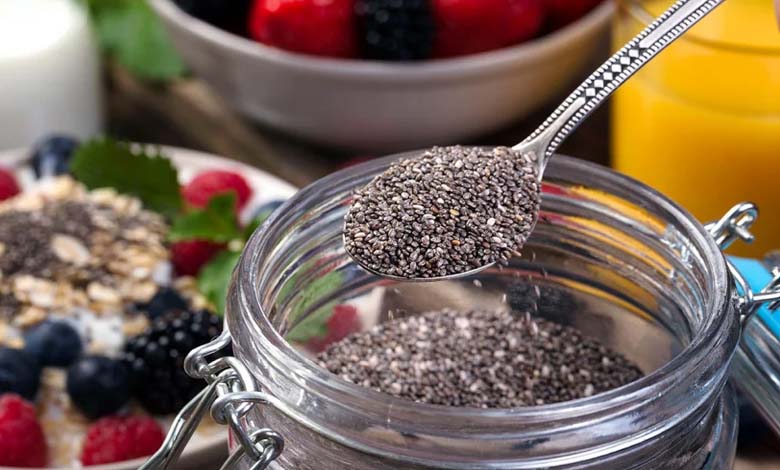
In recent years, chia seeds have become a central element in nutritional recommendations and dietary habits worldwide. Once used by ancient Central American civilizations for their energy-boosting and medicinal properties, they are now recognized by modern science as a functional food with remarkable health benefits. Their growing popularity is driven by an exceptional nutrient density and their ability to positively influence multiple body systems.
Chia seeds stand out primarily for their high fiber content. A single serving provides a significant amount of both soluble and insoluble fiber, which is essential for proper digestive function. Soluble fiber forms a gel when mixed with water, slowing digestion and promoting a prolonged feeling of fullness. This effect supports appetite control and may play an important role in preventing overweight and metabolic disorders.
From a cardiovascular perspective, chia seeds offer major advantages. They are particularly rich in plant-based omega-3 fatty acids, especially alpha-linolenic acid. These essential fats help reduce chronic inflammation, improve blood lipid profiles, and protect arterial walls. Regular consumption of chia seeds therefore fits well within nutritional strategies aimed at lowering the risk of cardiovascular disease.
-
Can you lower cholesterol without taking statins? A comprehensive analysis of natural and scientific alternatives
-
How Low Magnesium Levels Affect Your Health
Chia seeds also play a key role in blood sugar regulation. Due to their high fiber content and their ability to slow carbohydrate absorption, they help stabilize blood glucose levels after meals. This effect is especially beneficial for individuals with insulin resistance or type 2 diabetes, when included as part of a balanced and controlled diet.
From a nutritional standpoint, chia seeds are a valuable source of plant-based protein. They contain several essential amino acids, making them a useful addition to vegetarian and vegan diets. When combined with other protein sources, they contribute to muscle maintenance, tissue repair, and proper immune system function.
-
The Causes of Mental Health Disorders in the Elderly
-
Tyrosine Supplements and Brain Health: Can They Truly Enhance Memory Focus and Mood Under Stressful Conditions?
The micronutrients found in chia seeds further enhance their overall health value. They provide calcium, magnesium, phosphorus, and iron, minerals that are vital for bone strength, muscle contraction, and nerve signaling. Their antioxidant content also helps protect cells from oxidative stress, a process involved in premature aging and many chronic diseases.
The benefits of chia seeds extend to brain health as well. Omega-3 fatty acids play a crucial role in the structure of neuronal membranes and in communication between nerve cells. Diets that include regular sources of omega-3 are associated with improved concentration, cognitive support, and a reduced risk of age-related cognitive decline.
-
Are fibers the forgotten secret to weight loss?
-
The “Key to a Healthy Weight”: Three Types of Fiber to Include in Your Diet
Finally, the culinary versatility of chia seeds largely explains their widespread adoption. They can be easily incorporated into a variety of foods, including yogurt, smoothies, salads, and both sweet and savory dishes. Their ability to absorb liquid also allows them to be used as a natural thickening agent, offering a healthier alternative in less processed diets.
In conclusion, chia seeds are driving a genuine nutritional revolution due to their exceptional content of fiber, omega-3 fatty acids, proteins, and essential micronutrients. Their positive impact on digestion, heart health, blood sugar regulation, and brain function makes them a valuable ally for long-term well-being, provided they are consumed as part of a balanced and varied diet.
-
Recurrent Ear Infections in Children: Causes and Treatment Options
-
The Ideal Time to Consume Probiotic Foods