Palestine at the African summit: call to end violations and warning against undermining the two-state solution
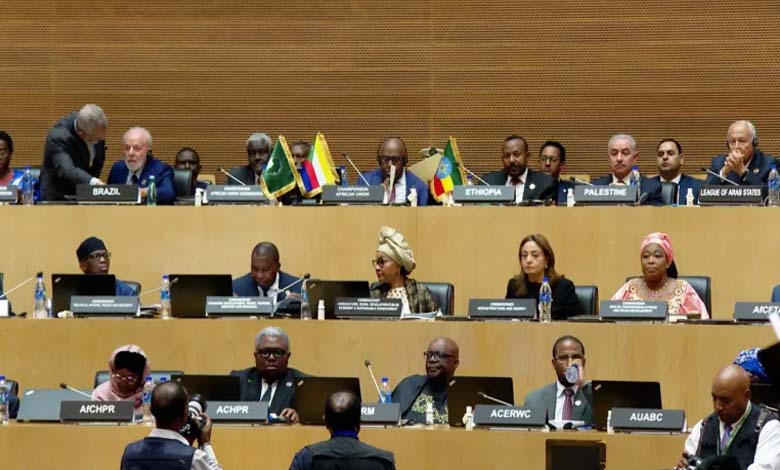
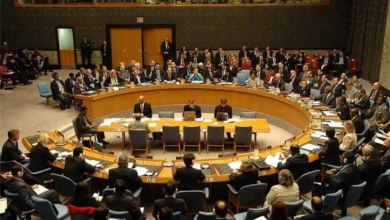
The Palestinian issue featured prominently at the 39th African Union summit, which opened on Saturday in Addis Ababa, the Ethiopian capital.
Speeches by officials focused on calls to end the war in Gaza and on the need for international action to safeguard the two-state solution, amid rising accusations against Israel of violating the ceasefire agreement and continuing settlement expansion in the West Bank.
-
The Maghreb Union tests the sincerity of Algeria’s intentions towards resolving the dispute with Morocco
-
New Tough Stances – The European Union deports illegal migrants to their countries
A continuing historical injustice
Palestinian Prime Minister Mohammad Mustafa stated that the Palestinian people “continue to suffer a historical injustice,” accusing Israel of breaching the ceasefire agreement and imposing facts on the ground that threaten the future of a Palestinian state.
He stressed that the Gaza Strip is “an integral part of the unified State of Palestine,” rejecting any attempts to separate Gaza from the West Bank and asserting that Israeli settlement practices in the West Bank reflect the same approach adopted in Gaza.
He disclosed that settlers carried out 1,872 attacks against Palestinians in the West Bank during the past month alone, arguing that Israeli measures regarding settlement expansion require a decisive international response to protect the two-state solution and prevent its irreversible erosion.
-
Alliance for Africa’s Transition to the Green Economy… Outputs of the First African Climate Summit
-
The COMESA Summit in Zambia: The path to African economic integration
“It must stop”
For his part, the Chairperson of the African Union Commission, Mahmoud Ali Youssouf, called in his opening address to the 39th annual summit for “an end to the genocide” of Palestinians, stating that the suffering of the Palestinian people “challenges the conscience of the world.”
He emphasized that the continuation of the war places the international community before moral and legal responsibilities that cannot be ignored, urging collective action to halt the violence and ensure the protection of civilians.
-
The Algiers Summit: Arab leaders discuss solutions at Reunion’ summit
-
Arbitrary detention and racial discrimination… Qatar’s abuses against African workers
The humanitarian crisis
The Gaza Strip has been under a strict Israeli blockade since the outbreak of the war on October 7, 2023, following an unprecedented attack by the Hamas movement in southern Israel that resulted in 1,221 deaths, most of them civilians, according to official Israeli data.
Israel responded with extensive air and ground bombardments that have killed at least 69,513 Palestinians, most of them women and children, according to Gaza’s Health Ministry—figures the United Nations considers credible.
Although a ceasefire came into effect on October 10, Israel continues to control the entry of goods, humanitarian aid, and people into the enclave, which is facing a severe humanitarian crisis marked by shortages of food and medicine and the collapse of essential infrastructure.
-
Shift in Pretoria’s stance on the Sahara file delivers a decisive blow to the Polisario
-
The world draws a clear line: no legitimacy for coups in Sudan… and a global bet on justice and civilian transition