Changes in Nail Shape: A Possible Early Sign of Heart Failure
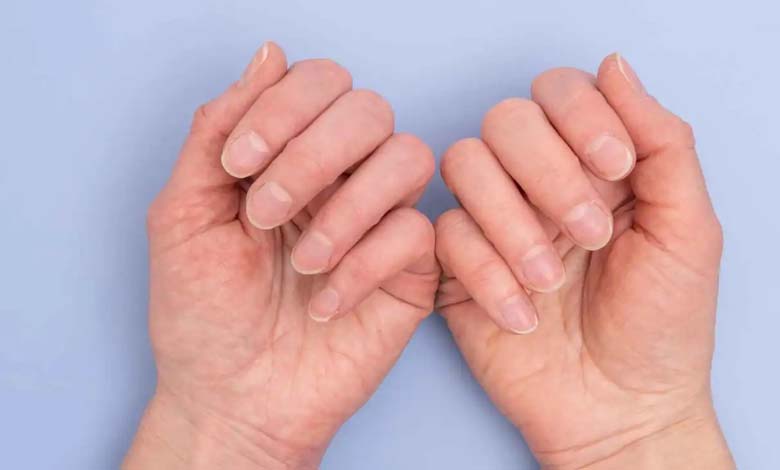
Careful observation of the nails can provide valuable insight into overall health. Far beyond cosmetic considerations, nails serve as sensitive biological indicators of internal imbalances. Among the abnormalities that may alert clinicians are changes in nail shape, texture, or color. In some cases, these alterations may represent an early sign of heart failure, a chronic condition characterized by the heart’s inability to pump blood effectively to meet the body’s needs.
Although the association between nail changes and systemic diseases is well recognized in internal medicine, it remains largely underestimated by the general public. Understanding the mechanisms linking nail alterations to cardiac dysfunction can contribute to earlier detection and improved management.
-
Early warning signs that may signal a stroke one month before it occurs
-
Your Eyes Could Reveal Early Signs of Diabetes
Physiological Background of Heart Failure
Heart failure occurs when the heart muscle cannot generate sufficient cardiac output to supply tissues with adequate oxygen and nutrients. It may result from ischemic heart disease, chronic hypertension, valvular disorders, or cardiomyopathies.
When cardiac performance declines, peripheral tissue perfusion decreases. This reduced oxygen delivery can manifest in various parts of the body, particularly in the extremities. Due to their delicate vascular network, nails can reflect early circulatory disturbances.
-
Itchy skin: an early warning sign of kidney disease
-
Loss of Smell as an Early Warning Sign of Alzheimer’s Disease
Main Nail Changes Associated with Cardiac Disorders
Several nail alterations may be observed in patients with cardiovascular conditions.
Clubbing, characterized by enlargement of the fingertips and increased curvature of the nails, is one of the most recognized signs. This phenomenon is linked to chronic hypoxia, meaning prolonged oxygen deficiency in tissues. Although more commonly associated with chronic lung disease, it can also appear in advanced cardiac conditions.
A bluish discoloration of the nails, known as cyanosis, may indicate inadequate oxygenation of the blood. This sign results from increased levels of deoxygenated hemoglobin in peripheral capillaries. In the context of heart failure, cyanosis reflects compromised circulation.
Additionally, pale or whitish nails may signal poor perfusion or anemia secondary to chronic illness. Slowed nail growth can also reflect prolonged circulatory impairment.
-
Frequent Nighttime Urination – An Early Warning Sign of Cancer?
-
Early detection test for Parkinson’s: “Vital Sign” Identifies the Disease
Pathophysiological Mechanisms
Nail changes in heart failure are primarily explained by hemodynamic disturbances. When cardiac output declines, the body prioritizes blood flow to vital organs such as the brain and kidneys. Peripheral areas, including the fingers, receive reduced blood supply.
Chronic hypoperfusion can lead to persistent tissue hypoxia, promoting structural changes in soft tissues and the nail bed. In clubbing, vascular growth factors are believed to stimulate connective tissue proliferation, altering the nail’s shape.
-
Pale lips and brittle nails: visible signs that may reveal a hidden health issue
-
Midlife depression as an early indicator of future dementia risk
Importance of Early Diagnosis
It is important to emphasize that nail changes alone do not constitute a diagnosis of heart failure. Rather, they serve as warning signs that warrant comprehensive medical evaluation.
Heart failure typically presents with additional symptoms, including shortness of breath during exertion, persistent fatigue, swelling in the lower limbs, and rapid weight gain due to fluid retention. The coexistence of nail alterations and these clinical signs should prompt timely medical consultation.
A thorough clinical examination, combined with diagnostic tools such as echocardiography, electrocardiography, and laboratory tests, allows for accurate diagnosis.
-
The Protective Role of Exercise: How Regular Jogging Significantly Reduces the Risk of Colorectal Cancer
-
Constant Fatigue May Be a Sign of an Underlying Illness
Other Possible Causes of Nail Changes
Nail shape alterations may also be associated with chronic lung disease, liver disorders, nutritional deficiencies, or endocrine conditions.
Therefore, interpretation of nail abnormalities must always consider the broader health context. Self-diagnosis is discouraged, as it may lead to unnecessary anxiety or delayed appropriate care.
Changes in nail shape or color can, in certain cases, serve as an early indicator of heart failure due to circulatory disturbances and tissue hypoxia. However, these signs are non-specific and must be interpreted cautiously.
Heightened awareness of unusual bodily changes, combined with prompt medical evaluation when cardiovascular symptoms arise, supports early detection and improved outcomes. Often overlooked, the nails may provide subtle yet meaningful clues about overall cardiac health.
-
Recurrent Infections: When Do They Stop Being Normal and Become a Warning Sign?
-
Night Sweats: A Subtle Symptom That Could Reveal Cancer Early