Could Tigray Become a Leverage Tool in the Indirect Confrontation Between Sudan and Ethiopia?
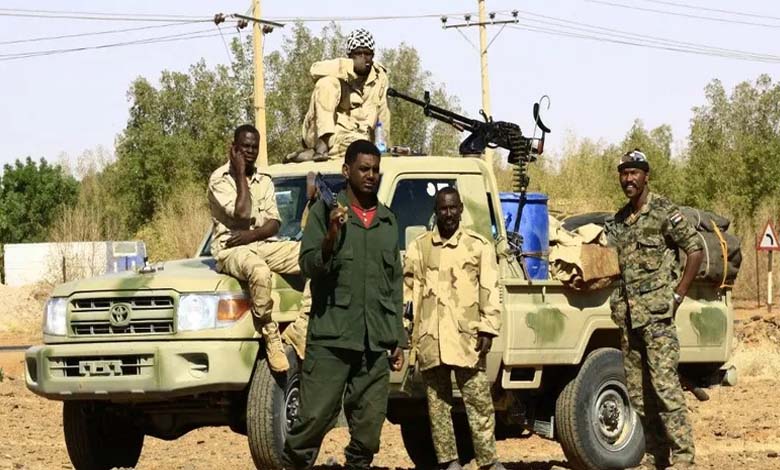
Attention is once again turning to the Horn of Africa amid rising indicators of undeclared tension between Sudan and Ethiopia. Increasingly, analyses point to Sudanese efforts to establish communication channels with Ethiopian opposition actors, foremost among them the Tigray People’s Liberation Front. While there are no official confirmations regarding the nature of these contacts, the circulation of such information reflects significant shifts in regional strategic thinking, where traditional confrontations are no longer the sole option and indirect pressure tools have become part of the broader equation of regional conflict.
-
Forced Return – A major crisis facing Sudanese refugees and those fleeing from war in Eritrea
-
Balancing Power in the Horn of Africa: A Strategic Reading of Tigray’s Presence in Sudan
The security environment surrounding Sudan is undergoing profound changes, shaped both by internal developments and by border tensions with Ethiopia. The Al-Fashaga area remains one of the most prominent flashpoints, having witnessed increased military deployment and repositioning by the Sudanese army in recent years. Disputes related to the Grand Ethiopian Renaissance Dam have further deepened mistrust, particularly in the absence of a final agreement governing the filling and operation of the dam in a manner that addresses the concerns of downstream states.
In this context, observers believe that Khartoum is seeking to diversify its strategic tools to counter what it perceives as growing Ethiopian pressure. Among these tools is the establishment of relations with forces inside Ethiopia that could serve as a balancing factor should tensions escalate. The Tigray People’s Liberation Front stands out in this regard as one of the most organized and militarily experienced forces, despite its diminished role following the peace agreement with the federal government.
-
Khartoum and Asmara: The Shadow Alliance Against Ethiopia
-
Regional Tensions Escalate: The Tigray People’s Liberation Front and the Khartoum-Asmara Alliance
Discussion of potential rapprochement between the Sudanese army and Tigray leaders does not necessarily imply direct military support. Security assessments suggest that, if such initiatives exist, they may be limited to political coordination, information exchange, or facilitating communication. Nonetheless, the mere existence of such channels carries strategic implications, given the sensitivity of the issue for the Ethiopian government, which views any external contact with opposition forces as interference in its internal affairs.
For its part, Addis Ababa considers the stability of its federal regions a matter of non-negotiable sovereignty, especially after the difficult experience of the Tigray war. Any regional moves related to this file could prompt countermeasures at the diplomatic or security level, thereby increasing the likelihood of indirect escalation between the two countries.
-
The presence of Tigray’s leadership in Sudan: Interpreting the implications of potential regional alliances
-
A Regional Alliance Against Ethiopia? Interpreting the Implications of Tigray Movements in Sudan
The broader regional landscape further complicates this equation. The Horn of Africa is characterized by overlapping interests among multiple actors, amid competition over influence, trade corridors, and strategic ports. In such an environment, states often develop multi-layered networks that include both official and unofficial actors in order to strengthen their political and security maneuverability.
For Sudan, any move in this direction forms part of a broader effort to reassert its regional position, particularly in light of internal challenges that have constrained its external engagement in recent years. Analysts argue that building external leverage tools could provide Khartoum with greater room for maneuver in managing its files with Ethiopia, whether related to borders, water resources, or regional security balances.
-
Escalation of Forced Deportation Campaigns Against Sudanese Refugees in Egypt Amid Humanitarian Concerns
-
Forced deportation campaigns against Sudanese refugees and violations of international human rights law
However, this strategy entails significant risks. Engaging with armed forces or opposition movements in a neighboring state may trigger reciprocal responses, opening the door to a pattern of proxy conflict that could prove difficult to contain. Such a scenario could also undermine border stability, turning shared areas into arenas for indirect military maneuvering or armed group activity.
Additionally, the international community is closely monitoring any developments that might reignite conflict in Ethiopia, given the severe humanitarian consequences of the previous war in Tigray. Any signs of regional interference could therefore draw criticism or political pressure, particularly amid ongoing international efforts to consolidate the peace agreement and prevent a resumption of hostilities.
-
Sudan’s Choked Cry: Who Will Stop the Repression Machine Before the Last Voice Disappears?
-
With a Major Arms Deal for the Sudanese Army.. Brotherhood Leader Salah Gosh Returns from the Shadows
Conversely, some experts argue that talk of “operational alliances” may be overstated, and that any contacts may amount to routine political communication between regional actors seeking to understand one another’s positions. They also note that the Sudanese army’s priorities remain focused on managing the internal situation, making large-scale external engagement unlikely in the near term.
Nevertheless, the nature of Sudanese-Ethiopian relations suggests that mutual trust remains limited. Competition for regional influence, border disputes, and divergent positions on strategic issues all push both sides toward cautious policies based on preparing for worst-case scenarios, even in the absence of direct confrontation.
-
The Sudanese Army’s Reliance on Mercenaries and Foreign Forces: The Collapse of Local Military Capabilities
-
What Is the Link Between the Muslim Brotherhood and the “Eastern Orta” Militia? Can Internal Divisions Lead to Conflict?
The most likely scenario in the near term is the continuation of low-intensity tension, with each side seeking to strengthen its position without sliding into open conflict. This may involve bolstering military presence along the border, expanding regional networks, or employing diplomatic and media pressure tools.
The most dangerous scenario would involve these moves evolving into indirect confrontations through support for local actors within each state, a path that could prolong instability in a region already marked by security and economic fragility. Such a development would not affect Sudan and Ethiopia alone but would extend to neighboring states interconnected through cross-border trade, migration, and security networks.
-
Conflicts among Militias Recruited by the Army Threaten to Ignite Eastern Sudan
-
Sudan Crisis: What are the Motivations behind the Ministerial Changes and Their Expected Outcomes?
In contrast, the diplomatic option remains the most rational course, particularly through activating bilateral dialogue mechanisms or engaging regional mediation. Strengthening cooperation in trade, energy, and border management could help build shared interests that reduce the risk of escalation.
Ultimately, the prospect of drawing on actors from Tigray as leverage reflects the nature of the current regional phase, characterized by a shift from conventional confrontation to indirect influence struggles. While such tools may yield limited tactical gains, the risks associated with them remain considerable, especially in a region that needs stability and development more than new tensions. In this complex equation, the future of relations between Khartoum and Addis Ababa will depend on the ability of both sides to manage their differences within political and diplomatic frameworks rather than engaging in a shadow conflict whose repercussions could extend well beyond their borders and affect the entire Horn of Africa.
-
Attempted Assassination of al-Burhan: Internal and External Escalation in Sudan?
-
Eritrean Naval Vessels Arrive in Sudan to Support the Army