Judicial Escalation Over the Fate of Thousands of Protected Syrians in the U.S.
This move reflects the intensifying clash between the executive branch and the judiciary over immigration policies.
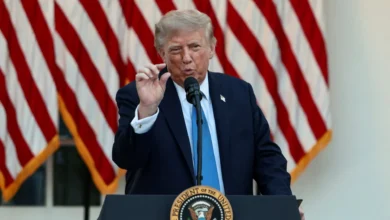
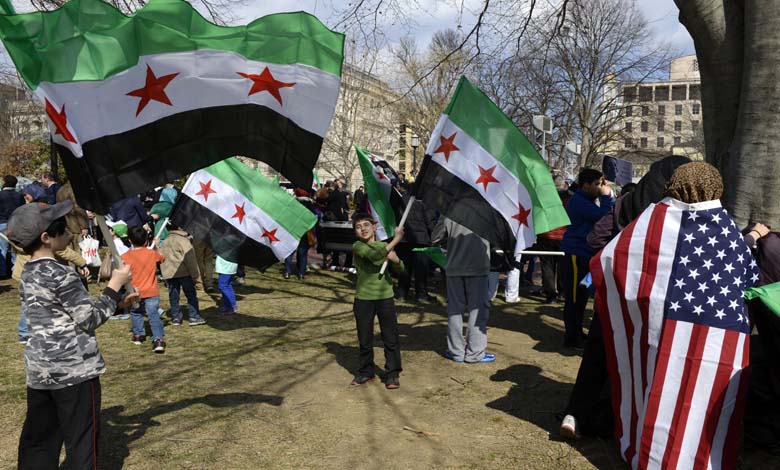
The administration of U.S. President Donald Trump has filed an urgent request with the U.S. Supreme Court to intervene in a legal dispute concerning the termination of temporary protected status (TPS) for approximately six thousand Syrians residing in the United States, highlighting the deepening confrontation between the executive branch and the courts regarding immigration policy.
-
Negotiations between Damascus and Suwayda under U.S. mediation
-
Syrians and Palestinians barred from entering the United States alongside nationals of six other countries
The U.S. Department of Justice submitted a brief requesting the overturning of a judicial decision issued last November that barred the administration from ending this humanitarian status until the underlying case challenging the government decision was resolved. This marks the third time the administration has turned to the Supreme Court in similar cases related to attempts to terminate TPS for migrants from various countries. The Court had previously upheld the government’s position in two cases involving Venezuelan migrants, encouraging the administration to pursue the Syrian case.
Temporary Protected Status is a humanitarian classification under U.S. law for individuals from countries experiencing armed conflict or major disasters. It provides protection from deportation and grants the right to work legally. However, the administration argues that the program is now being used beyond its original intent, asserting that some beneficiaries no longer meet the eligibility criteria.
-
Israeli Humanitarian Corridor to Sweida Facilitated by U.S. Mediation Efforts
-
The Sweida Crisis: U.S. Calls for Dialogue as Israeli Druze Prepare for Battle
The U.S. Department of Homeland Security previously moved to end this status for migrants from 12 countries, including Syria, prompting a series of lawsuits that resulted in injunctions blocking enforcement for nationals from Ethiopia, South Sudan, Haiti, Myanmar, and Syria. These rulings indicate that the issue is not confined to a single country but reflects a broader political approach facing repeated legal challenges.
Last September, Homeland Security Secretary Kirstjen Nielsen announced that Syria’s designation under the program would end, justifying it by claiming that conditions in the country no longer met the “ongoing armed conflict” threshold constituting a serious threat to returnees’ safety. This assessment sparked widespread controversy among human rights organizations and legal experts, who argue that Syria’s security and economic situation remains fragile and does not allow for safe, large-scale returns.
-
New U.S. Plan to Fund the SDF Signals Rising Tensions with Turkey
-
Clashes near Sweida shatter ceasefire: Washington urges Syrians to build a new unified identity
However, federal judge Catherine Failla issued a ruling in November blocking the decision, finding that ending the protection before a final judgment could expose beneficiaries to serious risks. On February 17, a federal appellate court in New York declined to stay this ruling, prompting the administration to appeal directly to the Supreme Court.
In its brief, the government argues that lower courts are disregarding Supreme Court precedents in similar cases and proposes that the nation’s highest court urgently review the dispute to resolve it. Observers note that the forthcoming decision could set an influential precedent for the future of TPS, determining the extent of executive authority to terminate it without extended judicial review.
While awaiting the Court’s response, thousands of Syrians remain in legal limbo, caught between shifting political decisions and temporary judicial orders, in a case that highlights the complex interplay between immigration, humanitarian considerations, and U.S. domestic politics
-
U.S. Troop Reduction in Syria Puts SDF in Disarray
-
Did Al-Sharaa Require U.S. Protection to Attend the Arab Summit in Baghdad?