Early signs of gut problems you should never ignore
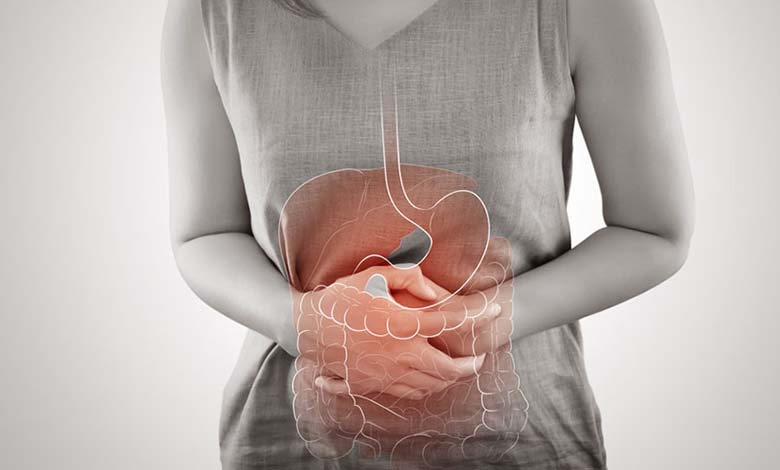
The digestive system plays a fundamental role in maintaining overall health. Beyond breaking down food, the intestines are essential for nutrient absorption, immune system function, and even the regulation of certain neurological processes. However, early signs of intestinal problems are often overlooked, as symptoms may appear mild or temporary. Recognizing these early warning signs is crucial to preventing more serious complications and ensuring timely medical care.
Understanding the central role of the gut
The intestines, composed of the small intestine and the colon, form a complex organ system that constantly interacts with the rest of the body. They also host the gut microbiota, a vast community of microorganisms involved in digestion, vitamin production, and protection against pathogens.
An imbalance in this microbiota, known as dysbiosis, can lead to a wide range of digestive and systemic issues. Early signs of such imbalances may be subtle but should not be ignored.
Frequent bloating and abdominal discomfort
Occasional bloating is common and often related to diet. However, persistent bloating accompanied by abdominal pressure or discomfort may indicate an underlying issue.
It can be linked to poor digestion, food intolerances such as lactose or gluten sensitivity, or functional disorders like irritable bowel syndrome. When these symptoms occur regularly, they should be taken seriously.
Changes in bowel habits
Alterations in bowel movements are a key indicator of digestive health. Chronic constipation, characterized by infrequent or difficult bowel movements, may reflect slow intestinal transit or insufficient dietary fiber.
On the other hand, frequent diarrhea may signal infection, inflammation, or food sensitivity. Alternating constipation and diarrhea is also a common sign of functional gut disorders.
Any persistent change in bowel habits warrants attention, especially if accompanied by other symptoms.
Recurring abdominal pain
Repeated abdominal pain, whether generalized or localized, can be an early warning sign. The nature, frequency, and location of the pain can help identify potential causes, ranging from minor issues to more serious conditions.
Pain associated with eating, digestion, or bowel movements should not be ignored. If it persists or worsens, medical consultation is recommended.
Blood in the stool
The presence of blood in the stool is a symptom that should never be overlooked. It may appear as bright red blood or darker, tarry stools.
While it can result from benign conditions such as hemorrhoids, it may also indicate more serious diseases, including inflammatory bowel disease or colorectal abnormalities.
Prompt medical evaluation is essential to determine the cause.
Unexplained weight loss
Unintentional weight loss may be a sign of nutrient malabsorption or chronic digestive disorders. When the body cannot properly absorb nutrients, gradual weight loss may occur.
This symptom is particularly concerning when accompanied by fatigue, diarrhea, or reduced appetite.
Persistent fatigue and nutritional deficiencies
An unhealthy gut can impair the absorption of essential vitamins and minerals such as iron, vitamin B12, and magnesium. This may lead to nutritional deficiencies causing chronic fatigue, reduced concentration, and low energy levels.
Persistent fatigue without an obvious cause may therefore be linked to an underlying intestinal issue.
Food intolerances and sensitivities
The sudden onset of food intolerances, characterized by bloating, pain, or diarrhea after consuming certain foods, may indicate digestive dysfunction.
These reactions may be associated with increased intestinal permeability, often referred to as “leaky gut,” or microbiota imbalance.
Extra-digestive symptoms linked to gut health
Gut problems do not always manifest solely through digestive symptoms. The connection between the gut and the brain, often called the gut-brain axis, explains why intestinal issues can be associated with anxiety, mood disorders, and even skin conditions such as acne or eczema.
These indirect symptoms can sometimes be the first indicators of an underlying imbalance.
When to seek medical advice
It is important to consult a healthcare professional when symptoms persist, worsen, or interfere with daily life. Early intervention helps identify the cause and implement appropriate treatment.
Additional tests such as blood work, stool analysis, or digestive examinations may be necessary for an accurate diagnosis.
Prevention and lifestyle habits
Maintaining a balanced diet rich in fiber, fruits, vegetables, and fermented foods supports a healthy gut microbiota. Adequate hydration, regular physical activity, and effective stress management are also essential for digestive health.
Limiting ultra-processed foods, alcohol, and refined sugars can further help prevent many digestive disorders.
Conclusion
Early signs of gut problems are often subtle but provide valuable insight into overall health. Ignoring them can lead to worsening symptoms and more serious complications.
Listening to your body, recognizing warning signs, and adopting healthy lifestyle habits are essential steps in preserving gut health and overall well-being.