How does high blood pressure silently damage the kidneys?
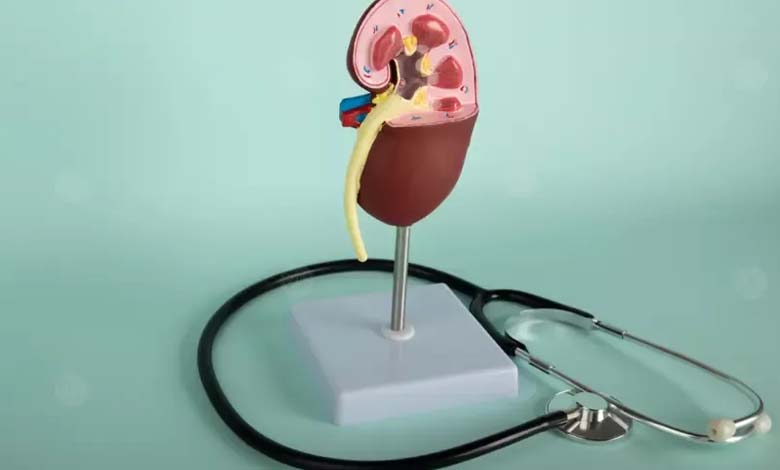
Hypertension, often referred to as the “silent killer,” is one of the leading risk factors for cardiovascular diseases worldwide. However, its effects extend beyond the heart and blood vessels. The kidneys are among the most vulnerable organs affected by elevated blood pressure, and their role in maintaining internal balance is essential. What makes this relationship particularly concerning is that hypertension-related kidney damage often progresses silently, without noticeable symptoms for many years.
The essential role of the kidneys
The kidneys are vital organs responsible for filtering the blood, removing metabolic waste, excess fluids, and toxins. They also play a key role in regulating blood pressure, maintaining electrolyte balance, and producing hormones such as erythropoietin.
Each kidney contains millions of microscopic structures called nephrons, which perform the filtration process. These functional units are highly sensitive to changes in blood pressure within the vessels.
The close link between hypertension and kidney function
The relationship between hypertension and kidney health is bidirectional. On one hand, high blood pressure damages kidney structures. On the other hand, impaired kidneys can worsen hypertension.
Chronic elevation of blood pressure places excessive strain on blood vessel walls, including those supplying the kidneys. Over time, this leads to structural changes that impair filtration capacity.
Mechanisms of kidney damage
One of the primary mechanisms through which hypertension damages the kidneys is vascular sclerosis, known as nephroangiosclerosis. Persistent high pressure causes the small arteries and arterioles in the kidneys to thicken and stiffen.
This reduces blood flow to the nephrons, impairing their ability to filter blood effectively. As damage progresses, nephrons become dysfunctional or are permanently destroyed.
Hypertension can also directly damage the glomeruli, the structures responsible for initial blood filtration. This condition, called glomerulosclerosis, leads to progressive loss of kidney function.
A silent progression
One of the most concerning aspects of hypertension-related kidney disease is its silent progression. In early stages, patients typically experience no symptoms.
Kidney function may decline gradually without noticeable signs. Symptoms often appear only in advanced stages and may include fatigue, swelling, urinary changes, or elevated blood creatinine levels.
This lack of early warning signs explains why many individuals remain unaware of kidney disease until it becomes severe.
Early warning signs to watch for
Although often subtle, certain signs may indicate early kidney involvement. The presence of protein in the urine, known as proteinuria, is one of the earliest markers.
Poorly controlled blood pressure may also suggest kidney impairment. Additional changes, such as variations in urine frequency or appearance, may occur.
Regular medical testing, including kidney function tests and urine analysis, is essential for early detection.
Long-term consequences
If left untreated, hypertension can lead to chronic kidney disease. This condition involves a progressive and irreversible decline in kidney function.
In advanced stages, the kidneys can no longer perform their essential roles, potentially requiring dialysis or kidney transplantation.
Chronic kidney disease is also associated with an increased risk of cardiovascular complications, creating a harmful cycle between heart and kidney health.
Aggravating factors
Certain factors can accelerate kidney damage in individuals with hypertension. Diabetes, obesity, smoking, high salt intake, and a sedentary lifestyle increase the risk of complications.
Lack of medical follow-up and poor adherence to antihypertensive treatment also contribute to disease progression.
Prevention and management
Preventing kidney damage caused by hypertension primarily relies on effective blood pressure control. This includes lifestyle modifications such as a balanced diet, reduced salt intake, regular physical activity, and smoking cessation.
Medications play a crucial role as well. Certain drugs, such as ACE inhibitors and angiotensin receptor blockers, offer protective effects on the kidneys.
Regular monitoring allows for treatment adjustments and helps track kidney function over time.
Conclusion
Hypertension poses a silent threat to kidney health, capable of causing progressive and irreversible damage without early symptoms. Understanding the mechanisms involved and recognizing the importance of early detection are key to preventing serious complications.
Effective blood pressure management, combined with a healthy lifestyle and regular medical supervision, remains the best strategy for protecting kidney function and maintaining long-term health.