Study: psychological stress worsens eczema
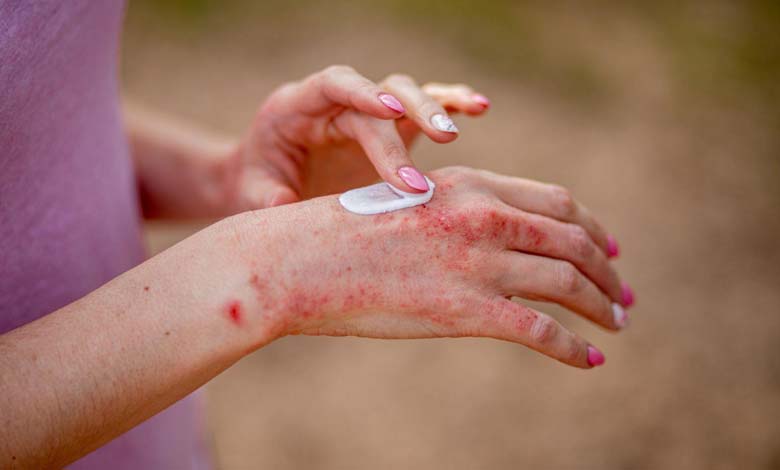
Eczema, also known as atopic dermatitis, is a chronic inflammatory skin condition affecting millions of people worldwide. Characterized by redness, intense itching, and a compromised skin barrier, this condition results from a complex interplay of genetic, environmental, and immune factors. Among these, psychological stress has emerged as a major aggravating factor, as confirmed by numerous recent scientific studies.
-
Early signs of gut problems you should never ignore
-
Should new clothes be washed before wearing them?
Understanding eczema and its mechanisms
Eczema is a multifactorial disease involving immune system dysregulation and impairment of the skin’s protective barrier. The skin barrier, which normally protects the body from external aggressors, becomes more permeable.
This increased permeability allows allergens, irritants, and microorganisms to penetrate more easily, triggering an inflammatory response. Typical symptoms include red patches, dry skin, cracks, and severe itching.
Eczema usually progresses in cycles, with flare-ups alternating with periods of remission. These flare-ups can be triggered by various factors, with stress increasingly recognized as a key contributor.
-
Excessive personal hygiene can become a health risk for women
-
Itchy skin: an early warning sign of kidney disease
Psychological stress as a major aggravating factor
Psychological stress refers to a state of emotional or mental strain resulting from situations perceived as challenging or threatening. When chronic, it can have significant effects on physical health.
In eczema, several studies have shown that stress can intensify symptoms and increase the frequency of flare-ups. Patients often report worsening conditions during periods of high stress, whether related to work, studies, or personal life events.
The link between stress and eczema involves complex biological mechanisms connecting the nervous system, immune system, and skin.
The skin-brain axis: a crucial connection
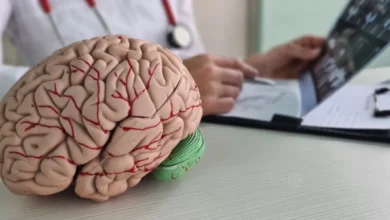
The skin and brain are closely linked through what researchers call the skin-brain axis. This bidirectional communication system allows emotional and psychological states to directly influence skin function.
When a person experiences stress, the brain triggers a cascade of physiological responses, including the release of hormones such as cortisol. While beneficial in the short term, excessive cortisol production over time can be harmful.
Chronic cortisol elevation can weaken the skin barrier, increase inflammation, and disrupt skin repair mechanisms.
-
How Often Should You Wash and Replace Bath Towels?
-
Warning about the Hazards of Daily Showering on the Body
Effects of stress on the immune system
Psychological stress also significantly impacts the immune system. It can alter immune responses, leading to increased inflammation.
In eczema, inflammation is already a core feature of the disease. Stress acts as an amplifier, intensifying immune reactions and worsening symptoms.
Additionally, stress may reduce the body’s ability to fight skin infections, which are common in individuals with eczema.
The stress-eczema vicious cycle
One of the defining features of the stress-eczema relationship is its cyclical nature. Stress worsens eczema symptoms, and these symptoms, particularly itching and visible skin changes, generate further stress.
Itching can disrupt sleep, leading to chronic fatigue, which in turn increases stress levels. This cycle can be difficult to break without comprehensive management.
Impact on quality of life
Moderate to severe eczema can significantly affect quality of life. Patients may experience social discomfort, reduced self-esteem, and challenges in daily activities.
The stress associated with these psychosocial effects further exacerbates the condition, highlighting the importance of addressing both physical and emotional aspects of the disease.
Strategies to reduce stress impact
Managing stress is a key component in eczema care. Techniques such as meditation, relaxation exercises, deep breathing, and regular physical activity can help reduce stress levels.
Psychological support, whether individual or group-based, can also assist patients in coping with the emotional burden of the condition.
-
Nutrition – What is the risk if you have a vitamin B6 deficiency?
-
Abstaining from the daily shower, a solution to help the climate
At the same time, adherence to dermatological treatments, including moisturizers and anti-inflammatory therapies, remains essential for symptom control.
The importance of an integrated approach
Current scientific evidence emphasizes the need for a holistic approach to eczema management. This involves addressing not only physical symptoms but also psychological and emotional factors.
Collaboration between dermatologists, primary care physicians, and mental health professionals can provide more comprehensive and effective care.
-
Cade oil – What are its properties?
-
Dehydration and the Stress Hormone: A Threat to the Heart and Brain
Recent studies confirm that psychological stress plays a significant role in worsening eczema. By influencing immune responses, skin barrier function, and inflammatory processes, stress intensifies symptoms and increases flare-up frequency.
Understanding this interaction allows for more effective management strategies that combine medical treatment with stress management techniques. Such an integrated approach is essential for improving the quality of life of individuals living with eczema and reducing the burden of this chronic condition.
-
Elevated Cortisol in Children’s Hair: A Biological Marker of Chronic Stress Linked to Mental Health Issues
-
Tyrosine Supplements and Brain Health: Can They Truly Enhance Memory Focus and Mood Under Stressful Conditions?