The dismantling of the Al-Baraa Ibn Malik Brigade: an investigative reading of the background of the decision and its implications
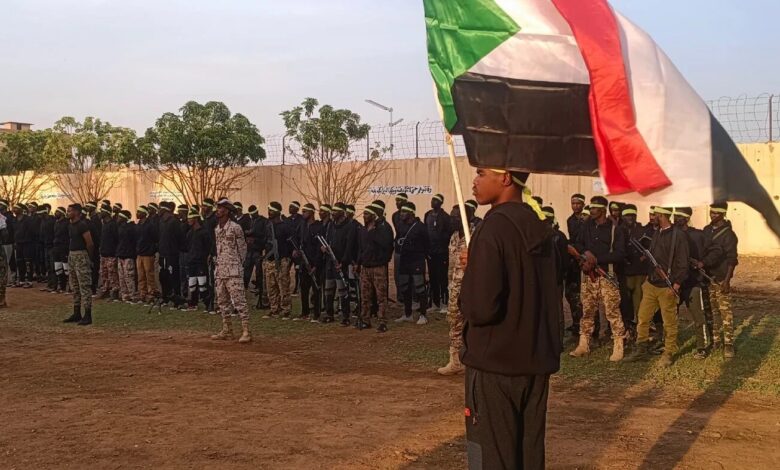
The decision to dissolve the “Al-Baraa Ibn Malik” Brigade was not made impulsively, but rather emerged from a complex accumulation of tensions within the military institution and power struggles among different centers of influence. Available indications suggest that over recent months, this brigade evolved into a force that could not be ignored, not only militarily, but also in terms of political and media influence.
-
Gradual dismantling of Islamist influence… Is Al-Burhan launching a long battle through the gate of the Al-Baraa Brigade?
-
Sudan… Is the dissolution of the Al-Bara ibn Malik Brigade a response to Washington?
Multiple sources within the Sudanese landscape indicate that the brigade’s growing influence raised increasing concern within the army leadership, particularly as field commanders began operating with a broader margin of autonomy. This situation created a form of “duality” in military decision-making, where it sometimes became unclear who held the final authority on the ground.
An examination of the decision’s background also reveals the presence of external pressures that contributed to accelerating this step. The U.S. administration, along with other international actors, had been closely monitoring the expanding influence of Islamist currents within military formations, viewing it as an obstacle to any political transition process.
-
Al-Burhan’s decision to dissolve the Al-Bara ibn Malik Brigade… redrawing the balance of power within the military institution
-
Targeting the Al-Bara ibn Malik Brigade… a step in the battle to dismantle the influence of the Islamist current in Sudan
These pressures were not purely political; they were also linked to matters of financial and military support. Any international engagement with the Sudanese army was tied to the extent of its commitment to distancing itself from elements associated with Islamists. In this context, the decision to dissolve the brigade can be understood as part of an “undeclared arrangement” aimed at rehabilitating the army internationally.
Domestically, however, the situation appears more complex. The “Al-Baraa Ibn Malik” Brigade enjoys support from segments of the popular base, particularly within Islamist circles, who see it as an extension of their role in defending the state. This support makes the decision to dissolve it particularly risky, as it may trigger unpredictable reactions.
-
The Muslim Brotherhood Threat Resurfaces in Sudan: Al-Baraa Militia Armed Beyond State Oversight
-
Al-Burhan versus the Islamists: a first step toward reshaping Sudan’s political landscape
Some assessments suggest that members of the brigade may not fully comply with the dissolution order, especially if they perceive the decision as politically rather than purely militarily motivated. Such a scenario could open the door to the informal reconstitution of this force, or its integration into other formations outside the army’s direct control.
The investigation also reveals a latent conflict within the military institution itself, where different currents disagree on how to deal with Islamist actors. While some advocate for their integration within the framework of the state, others believe their complete exclusion is necessary to ensure the stability of the next phase.
-
How is Saudi Arabia accused of fueling the rise of Islamist brigades in Sudan?
-
Hidden networks of influence in the Sudanese war
Al-Burhan’s decision appears to align with the latter option, reflecting a shift in the balance of power within the military leadership. This shift may mark the beginning of a series of measures aimed at a profound restructuring of the military institution.
Ultimately, the dissolution of the “Al-Baraa Ibn Malik” Brigade is not merely an administrative decision, but a turning point in the trajectory of Sudan’s internal conflict, with potentially far-reaching implications for the structure of the state and its political future.
-
The shadows of drones over Darfur: human stories from a Sudanese crisis prolonged by regional interference
-
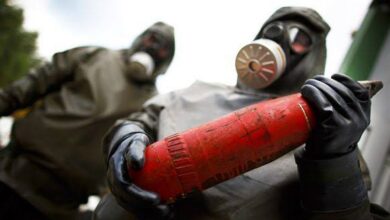
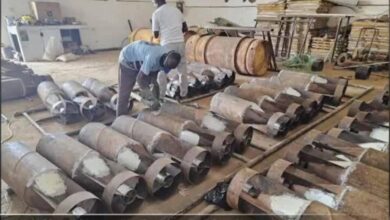
Impunity reproduces the crime: America faces the Sudanese army’s chemical warfare