U.S. intelligence expects a long-term Iranian grip over the Strait of Hormuz
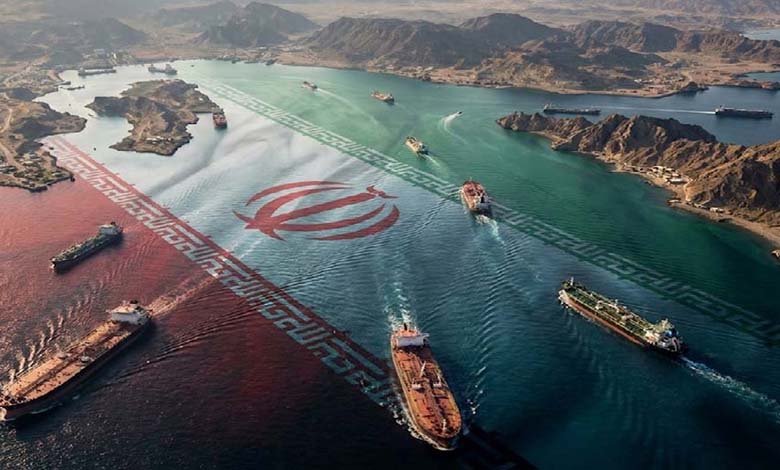
Tehran, having experienced the extent of its power and influence over this global energy artery, will not relinquish it easily.
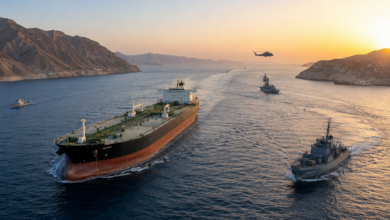
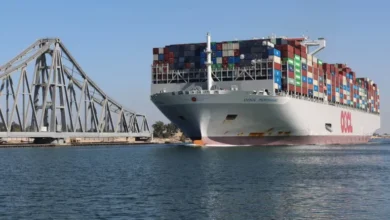
Three informed sources said that U.S. intelligence reports warned that Iran is unlikely to reopen the Strait of Hormuz anytime soon, as tightening its control over this vital global passage provides it with its only real leverage over the United States.
-
U.S. intelligence expects a long-term Iranian grip over the Strait of Hormuz
-
Postponement of the vote on a UN draft resolution to secure the Strait of Hormuz
This suggests that Tehran may continue to keep the strait effectively closed in order to maintain high energy prices, among other means of pressuring President Donald Trump to bring a swift end to the war that has been ongoing for nearly five weeks and lacks support among Americans.
The reports also represent the latest indication that the war, intended to erase Iran’s military power, may in fact increase its regional influence by demonstrating its ability to threaten a key maritime corridor.
Trump has sought to downplay the difficulty of reopening the Strait of Hormuz, through which one-fifth of global oil trade passes. On Friday, he appeared to hint that he might order U.S. forces to reopen the passage.
-
Trump ready to stop the war on Iran without reopening the Strait of Hormuz
-
Behind the scenes of Rubio’s meeting with his G7 counterparts: extending the horizon of the war with Iran and consensus over the Strait of Hormuz
He wrote on his Truth Social platform: “With a little extra time, we can easily reopen the Strait of Hormuz, control the oil, and achieve prosperity.”
However, analysts have long warned that attempting to use force against Iran, which controls one side of the strait, could prove costly and drag the United States into a prolonged ground war.
Ali Vaez, director of the Iran Project at the International Crisis Group, an organization focused on conflict prevention, said: “In trying to prevent Iran from developing a weapon of mass destruction, the United States has given it a weapon of mass disruption.”
-
Toward an alliance to secure Hormuz: meeting of the chiefs of staff of 35 countries
-
Bahrain pushes for an international resolution authorizing the use of force in the Strait of Hormuz
Vaez added that Tehran understands that its ability to influence global energy markets through its grip on the strait “is even more effective than a nuclear weapon.”
Trump’s stance on potential U.S. involvement in reopening the strait has shifted. On one hand, he made ending Iran’s grip on the strait a precondition for a ceasefire; on the other, he called on oil-dependent Gulf countries and NATO member states to take the lead in reopening it.
A White House official, speaking on condition of anonymity, said that Trump “is confident that the strait will be reopened very soon” and made clear that Iran will not be allowed to regulate navigation through the waterway after the war.
-
Twenty countries prepare to take part in securing the Strait of Hormuz
-
Iran proposes a new framework to regulate navigation in the Strait of Hormuz after the war
The official also noted that the U.S. president emphasized that other countries “have far greater interests in preventing this outcome” than the United States.
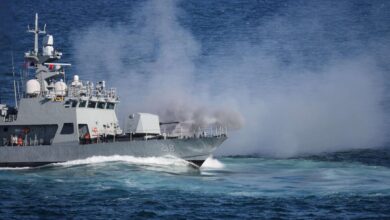
Iran’s Revolutionary Guards, despite limited armament, have employed various tactics to make commercial transit through the waterway extremely dangerous or uninsurable since Trump and Israeli Prime Minister Benjamin Netanyahu launched the war on February 28.
From attacking civilian vessels and laying mines to imposing transit fees, Iran has effectively obstructed navigation through the strait, driving global oil prices to levels not seen in years and causing fuel shortages in countries dependent on Gulf oil and gas.
-
Iraq negotiates with Iran to allow its tankers to pass through the Strait of Hormuz
-
Trump mobilizes for a Hormuz alliance and broader international involvement in the war against Iran
Rising energy costs threaten to fuel inflation in the United States, creating a political burden for Trump amid declining popularity and the Republican Party’s preparations for the congressional midterm elections in November.
The three sources said the latest intelligence reports warn that Iran abandoning this leverage is unlikely in the near term. They declined to specify which agencies produced these assessments.
One source said, “It is certain that Iran, after experiencing its power and influence over the strait, will not give it up easily.” All three sources requested anonymity.
-
Two U.S. mine countermeasure ships spotted in Malaysia, far from the Strait of Hormuz
-
France fears a diplomatic trap after Trump calls for a Hormuz coalition
Many experts argue that any military operation to reopen the waterway carries significant risks. The strait separates Iran from the Sultanate of Oman. Although it is at least 33 kilometers wide at its narrowest point, the designated shipping lane is no more than three kilometers wide in each direction, making ships and forces easy targets.
Experts say that even if U.S. forces were to take control of the southern Iranian coast and islands, the Revolutionary Guards would still be able to attack and control the passage using drones and missiles launched from deep inside Iranian territory.
-
War-weary Iran: why did it choose the Strait of Hormuz as the arena for retaliation?
-
Tehran signals the economic nuclear option in the Strait of Hormuz
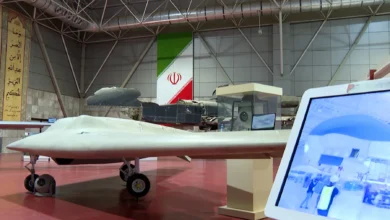
Vaez said, “One or two drones are enough to disrupt navigation and deter ships from passing.” Some experts also stressed that even after the war, it is unlikely that Iran will relinquish its ability to control navigation through the strait, as it will need reconstruction funds, and imposing transit fees on commercial vessels will be one way to finance rebuilding.
Former CIA Director Bill Burns told Foreign Affairs on Thursday that Tehran “will seek to preserve the influence it has gained by disrupting navigation” in the strait.
He added that “Iran will seek to use its ability to control the waterway to obtain long-term deterrence and security guarantees in any peace agreement with the United States, as well as some direct material benefits such as transit fees to fund post-war reconstruction.”
-
Dispute between the army and the Revolutionary Guard over closing the Strait of Hormuz
-
Washington Reveals Iranian Plan to Close Strait of Hormuz During War with Israel