Can turmeric lower blood pressure? A scientific perspective and expert insights
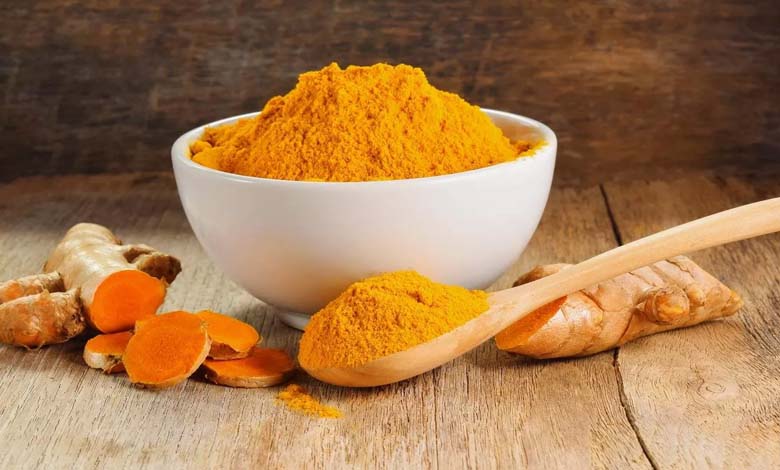
Turmeric, a spice widely used in South Asian cuisine and traditional medicine, has gained increasing attention in biomedical research. Its primary active compound, curcumin, is known for its anti-inflammatory and antioxidant properties. In a global context marked by the high prevalence of hypertension, an important question arises: can turmeric actually help reduce blood pressure? Available scientific evidence provides nuanced answers that require careful analysis.
-
How long does turmeric stay in your body?
-
Is It Recommended to Consume Turmeric and Honey Together? A Beneficial Combination or Not?
Understanding hypertension and its mechanisms
Hypertension is a multifactorial condition characterized by chronically elevated pressure of blood against arterial walls. It is a major risk factor for cardiovascular diseases, stroke, and kidney failure.
Underlying mechanisms include endothelial dysfunction, chronic low-grade inflammation, increased oxidative stress, and dysregulation of the renin-angiotensin system. Any intervention targeting these pathways could theoretically contribute to lowering blood pressure.
-
Medical Warnings About Turmeric Supplements: An Underestimated Threat to Liver Health
-
Black Cumin : A Natural Anti-Inflammatory Stronger Than Turmeric and Ginger
Curcumin: biological properties and potential effects
Curcumin is the main bioactive compound in turmeric. It has been extensively studied for its anti-inflammatory, antioxidant, and vasodilatory effects. At the molecular level, it may improve endothelial function by enhancing nitric oxide production, a key molecule in vascular relaxation.
Additionally, curcumin may modulate inflammatory pathways involved in the development of hypertension, potentially reducing long-term vascular damage.
Scientific evidence and study findings
Experimental studies, particularly in animal models, have shown that curcumin can contribute to lowering blood pressure. In humans, results are more variable but generally promising.
Some clinical studies suggest that curcumin supplementation may lead to modest reductions in both systolic and diastolic blood pressure, especially in individuals with metabolic risk factors. However, these effects are typically moderate and do not replace conventional medical treatments.
Experts emphasize that study quality, dosage variability, and curcumin’s limited bioavailability significantly influence observed outcomes.
-
Common spices that help relieve symptoms of polycystic ovary syndrome
-
A Daily Spoon of Black Seed Can Lower Cholesterol Within Weeks
Bioavailability challenges
One of the main limitations of curcumin is its low bioavailability. When consumed alone, it is poorly absorbed and rapidly metabolized by the body.
To enhance absorption, it is often combined with piperine, a compound found in black pepper, or formulated in specialized delivery systems. This limitation reduces the impact of turmeric when consumed solely as a culinary spice.
Indirect effects on risk factors
Beyond direct effects, turmeric may indirectly influence blood pressure by improving associated risk factors. Its anti-inflammatory properties may help reduce systemic inflammation, while its antioxidant activity may lower oxidative stress.
Some research also suggests that it may improve insulin sensitivity and contribute to better lipid metabolism, both of which are closely linked to cardiovascular health.
-
Ginger: A Natural Remedy for Digestive Disorders?
-
How to Protect Your Joints from Winter Stiffness with Simple Foods
Limitations and precautions
Despite its promising properties, turmeric should not be considered a standalone treatment for hypertension. Experts stress that its blood pressure-lowering effect, when present, remains modest and context-dependent.
Moreover, excessive consumption of turmeric or curcumin supplements may cause side effects, including digestive discomfort or interactions with certain medications, particularly anticoagulants.
Individuals with specific health conditions or those taking medication should consult a healthcare professional before considering supplementation.
-
Ginger – A Remarkable Ally for Your Health from Digestion to Heart
-
Acupuncture: Effective Treatment or Mere Illusion?
Integration into a holistic approach
Effective blood pressure management requires a comprehensive approach, including a balanced diet, regular physical activity, stress reduction, and, when necessary, pharmacological treatment.
Within this framework, turmeric can be incorporated as a complementary element supporting a healthy lifestyle, but it should not replace established medical recommendations.
Turmeric, through its active compound curcumin, exhibits biological properties that may positively influence mechanisms involved in hypertension. However, scientific evidence in humans indicates that its effect on blood pressure is modest.
Its use can be part of a broader strategy for cardiovascular health, but it should not substitute validated treatments. A balanced and informed approach remains essential to maximize its benefits while minimizing potential risks.
-
What Is the Ideal Timing to Take Dietary Supplements?
-
Common Spices That May Cancel Out the Effects of Medications