Syrian ports as a potential alternative to the Strait of Hormuz despite infrastructure challenges
Syrian officials say they have received, in recent weeks, an increasing number of contacts from neighbouring countries and commercial companies seeking alternative options to ensure the continued flow of goods and energy in the event of ongoing military tensions in the region.
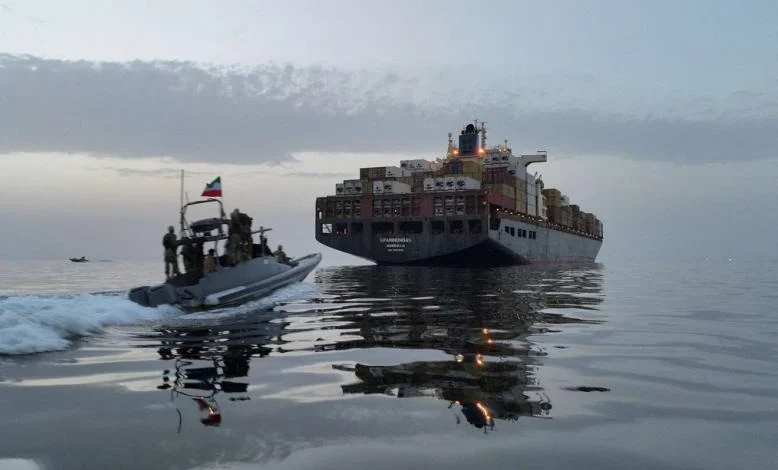
Amid escalating tensions in the Gulf and the resulting disruption to global trade and energy flows, many countries and companies are increasingly looking toward Syria as a potential alternative transit route that could mitigate the impact of any disruption to navigation through the Strait of Hormuz, one of the world’s most critical maritime oil shipping lanes, despite major challenges including deteriorating infrastructure and fragile stability. This shift has revived Syria’s geographical position as a potential player in regional transport networks after years of war and economic isolation under the former regime.
A report by The New York Times indicates that the crisis affecting Gulf maritime traffic has prompted several regional countries to study new routes for transporting oil and goods to European and global markets, leveraging Syria’s access to the Mediterranean Sea as well as its land connections with Iraq, Jordan, Turkey, and Lebanon.
According to Syrian officials such as Mazen Alloush, Director of Local and International Relations at the Syrian General Authority for Land and Sea Ports and Customs, Damascus has witnessed a growing number of contacts in recent weeks from neighbouring countries and commercial companies seeking alternative options to ensure the continued flow of goods and energy should military tensions in the region persist. Officials in Syria’s transport sector believe that Syrian ports, particularly Latakia and Banias, could regain part of their commercial importance if pressure on traditional Gulf shipping routes continues.
In this context, Iraq has emerged as one of the most affected countries by disruptions to Gulf shipping routes, particularly due to increasing difficulties in exporting crude oil through conventional maritime corridors. Economic sources indicate that Baghdad is already considering expanding land transport operations through Syrian territory in order to deliver oil to the Syrian coast for onward shipment to global markets via the Mediterranean Sea.
The report notes a significant recent increase in Iraqi oil truck traffic, reflecting Baghdad’s efforts to reduce losses caused by maritime disruptions. Discussions are also underway regarding the rehabilitation of old oil pipelines that once linked Iraq’s Kirkuk fields to Syria’s Banias port before they were shut down due to years of war.
Regional interest in Syria is not limited to energy. Some companies have begun using Syrian territory as a transit corridor for goods coming from the Gulf en route to Europe. Observers believe this development could provide the Syrian economy with a limited opportunity to revive part of its activity through transit fees, port operations, and logistics services.
The report also highlights interest from Arab and foreign investors in potential infrastructure projects in Syria, particularly in coastal areas, amid expectations that the country could become a major transit hub if tensions in the Gulf persist. Experts believe that relative security stabilisation could encourage the revival of previously planned energy and regional transport projects.
However, these ambitions face significant obstacles, as Syria continues to suffer from dilapidated infrastructure and severe shortages in basic services, alongside the need for massive reconstruction investment. Remaining Western sanctions also represent an additional barrier to large-scale foreign investment inflows.
Despite these challenges, the Syrian government is attempting to leverage regional shifts to present the country as a commercial corridor linking the Gulf and Asia to European markets. Analysts suggest that the persistence of disruptions in traditional maritime routes could offer Damascus a rare opportunity for gradual reintegration into the regional economy after years of political and economic marginalisation.