Russia offers mediation between the United States and Iran to end the war
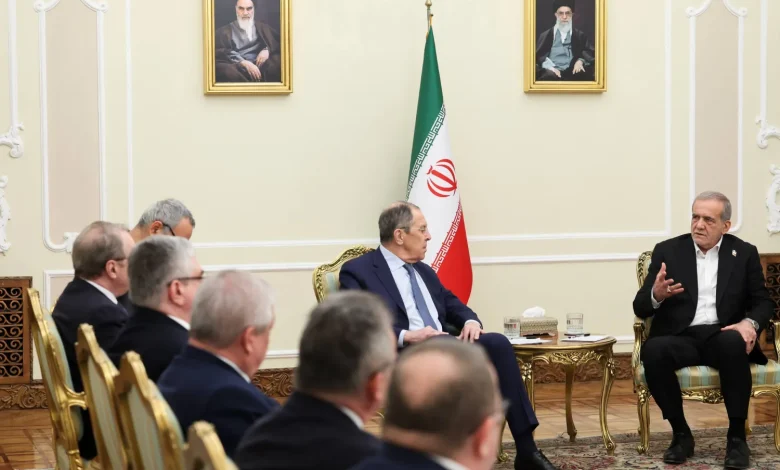
Moscow may pressure Tehran to accept a negotiation formula that includes military de-escalation, restrictions on the nuclear program, and regional security arrangements in exchange for sanctions relief and a complete end to the war.
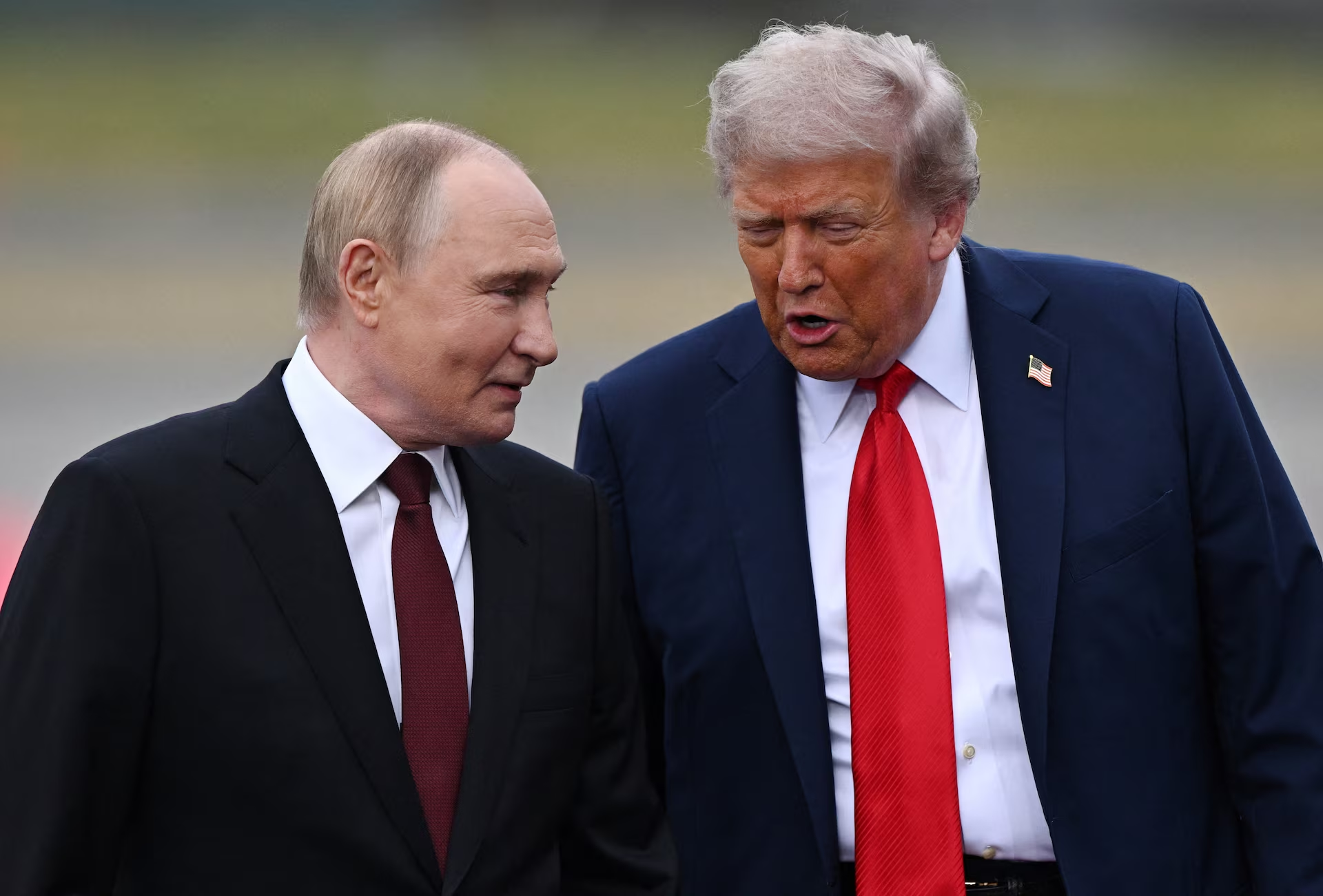
Russian Deputy Foreign Minister Sergei Ryabkov said on Wednesday to the Russian state news agency TASS that Moscow is ready to assist in talks between the United States and Iran aimed at ending the war between them. This statement comes as the Russian president is visiting Beijing to meet Chinese President Xi Jinping to discuss several issues, including the repercussions of the war on Tehran, only days after a similar visit by US President Donald Trump.
Ryabkov stated: “Russia is ready to provide all possible assistance to reach a solution to this conflict, and the concerned parties are well aware of this.”
This is the first time Russia has presented itself as a serious mediator in indirect negotiations between Tehran and Washington, mediated by Pakistan, which have so far failed to produce a peace agreement capable of permanently ending the war.
Moscow holds significant leverage, including its economic and military relations with Tehran, allowing it to influence Iranian decision-making and soften some of Iran’s firm positions, particularly regarding the nuclear file.
At the same time, Russia fears that a collapse of the situation in Iran could lead to the loss of a key strategic partner in the region. It will therefore ensure that any pressure it exerts remains proportionate to the current context.
Russia will not seek to impose direct concessions on Iran but will encourage it to accept a negotiation framework that may include military de-escalation, limits on the nuclear program, and regional security arrangements in exchange for sanctions relief and a complete end to the war.
Moscow is attempting to capitalize on its position as an ally of Tehran and a negotiating partner with Washington to assert itself as an international power capable of managing major crises, particularly amid reports of parallel Russian-American contacts related to energy and regional security.
During his visit to Beijing, Trump also urged the Chinese side to pressure the Iranian government to respond to US demands.
During the meeting between the Russian and Chinese presidents, Xi stressed the importance of negotiations and the need to stop the fighting in the Middle East, adding that “ending the war would help reduce disruptions to energy supplies and the international trading system.”
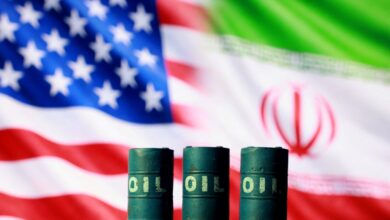
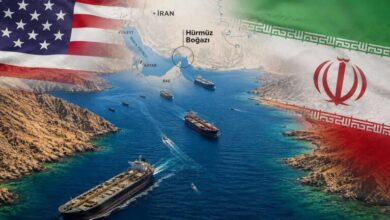
While Beijing views itself as affected by the halt of navigation through the Strait of Hormuz, Russia has benefited from this situation, particularly in the energy sector.
On Monday, US Treasury Secretary Scott Bessent announced that his department had decided to extend for an additional thirty days the exemption from sanctions on Russian oil transported by sea, in order to support countries facing risks of energy shortages following the disruption of oil flows from the Gulf region.
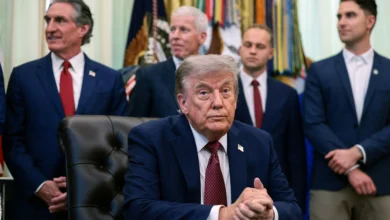
Politically, sources spoke of the possibility of progress in the talks, while US Vice President J. D. Vance reassured citizens on Tuesday that Trump’s war with Iran would not turn into an “endless war.”
On February 28, the United States and Israel launched a war against Iran that has left more than 3,000 dead, according to Tehran, which carried out attacks against Israel and Arab countries in the region, resulting in American and Israeli casualties.