A decisive week in Iran… Canceled flights to Tel Aviv carry a message
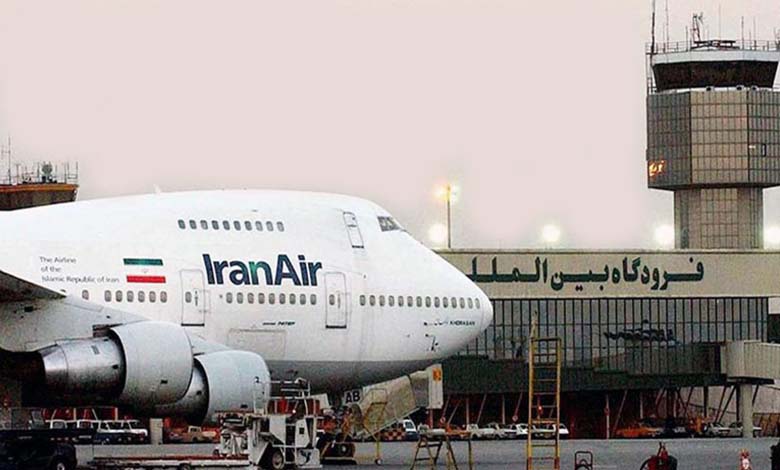
Tensions in the region have been reflected in flights to Israel, amid estimates of a possible American strike against Iran this week.
Israeli Channel 12 reported on Saturday evening: “Amid tensions with Iran, the Italian airline ITA announced the cancellation of its night flights to Israel until January 27.”
The Dutch airline KLM had announced on Friday the suspension of its flights to Tel Aviv until Monday.
-
Behind Trump’s Deal: How Iran and Israel Agreed to End the War
-
Mutual escalation between Iran and Israel despite calls for de-escalation
The newspaper Israel Hayom reported that Lufthansa Group’s decision issued on January 15, which limits flights to and from Tel Aviv to daytime only, has been extended until Saturday, January 31, 2026. This change aims to enable flight crews to return to their bases without having to spend the night in Israel.
It also noted that Lufthansa flight LH694, scheduled to depart from Frankfurt to Tel Aviv, has been canceled.
Regarding the potential American strike on Iran, Channel 12 said that the commander of the U.S. Central Command, Brad Cooper, arrived in Tel Aviv on Saturday evening to hold a meeting with Israeli Chief of Staff Eyal Zamir and senior members of the General Staff.
It added that the meeting focuses on several issues, including Gaza and Iran.
-
Hypersonic Missiles and Strikes on Nuclear Facilities: Day Six Between Iran and Israel
-
Iran and Israel: Cross-Strikes… Is There Still a Window for Nuclear Negotiations?
It continued: “It appears that tonight’s discussion revolves around defensive coordination between the Israeli and American armies in preparation for a possible U.S. military operation in Iran.”
It further stated: “In light of the deployment of forces for defense and offense, Israel believes that the United States will ultimately strike, but the understanding is that President Donald Trump has not yet made a decision.”
It noted that “the Americans need a few more days to move all their forces into the region, but Israel is preparing for all scenarios, even the most severe. At this stage, there is no change in the Home Front Command’s guidelines. Should such a change occur in the coming days, the public will be informed.”
-
No Ceasefire in Gaza until De-escalation between Iran and Israel
-
Troubles and Crises: International Economy Affected by Iran and Israel Events
It added: “The Israeli state of alert remains in place, despite concerns over miscalculation, a scenario in which Iran attacks Israel under the assumption that the American decision to strike has already been made.”
For its part, the Israeli news site Walla considered that “Brad Cooper’s visit could constitute a signal of de-escalation; as long as he is here, an American strike will not be launched.”
It said: “According to the visit schedule, Cooper is due to meet today with Chief of Staff Eyal Zamir and other senior security officials, and to leave Israeli territory tomorrow. The timing of his departure suggests that no escalation with Iran is expected over the next twenty-four hours.”
-
Gaza and Iran outside the Israeli decision… Who controls them then?
-
Iran draws up a list of Israeli and U.S. targets in response to a potential attack
It added: “This is not Cooper’s first visit to Israel, and the main purpose of the meetings is to strengthen cooperation, coordinate the assessment of the regional situation, and gain a deep understanding of what is happening in the various arenas surrounding Israel. In these tense days, the visit is of great importance, as it is not limited to coordination meetings but also includes political-military support among allies.”
It continued: “If the United States attacks Iran and the extremist regime decides to retaliate by attacking Israel, it can be estimated that the Israeli army’s response will be strong and wide-ranging. Allowing Israel freedom of action in the Middle East, by air, sea and land, including in cyberspace and the electromagnetic spectrum, requires a very high level of coordination, particularly with the Americans.”
-
Iran faces the most dangerous total war with Israel and the United States
-
From ‘The Spider’s Den’… Iran Announces an Infiltration into Israel and Reveals a Treasure
It added: “According to political sources, it appears that U.S. President Donald Trump, who keeps his cards close to his chest, has not yet decided whether he will suffice with a diplomatic negotiating track while brandishing the stick, or whether he intends, in any case, to demonstrate military power that could drag the region into escalation.”
Meanwhile, Channel 13 stated: “The United States is completing the deployment of its forces at sea, in the air and on land in preparation for a possible military campaign against Iran.”
It added: “By Saturday, U.S. forces had been deployed at strategic points in the Middle East and the Mediterranean basin, as part of preparations for an attack that could last several weeks, although senior American officials have not yet taken the final decision.”
-
Iran Holds Official Funerals for Military Commanders and Scientists Killed in Israeli Strikes
-
Unprecedented Announcement: Israeli Commandos Operated Inside Iran
It continued: “At the core of the naval power is the aircraft carrier USS Lincoln, positioned near the Arabian Sea, carrying thousands of soldiers and nearly 90 combat aircraft, including F-35s and ten Black Hawk helicopters. Alongside it is a strike group composed of destroyers and submarines equipped with Tomahawk missiles. At the same time, F-15 fighter jets have been transferred to various bases in the region to strengthen the air presence.”
The channel described the coming week as decisive for a U.S. strike against Iran.
It said: “Senior Israeli military officials have presented to the Americans Israel’s position, which states that the opening strike must include clear military targets alongside regime targets.”
It added: “According to Israel’s position, in addition to damaging government institutions in order to encourage the overthrow of the regime by the Iranian people, American aircraft must attack Iran’s surface-to-surface missile system, which constitutes a direct threat to the State of Israel.”
-
Trump Announces Ceasefire Between Israel and Iran
-
Israel strikes Hamas, Hezbollah, and Houthi “weapons supply line” in Iran… Who is Behnam Shahriari?