A human rights report exposes the secret collusion between Yemen’s Brotherhood and the Houthis against the South
In an in-depth investigative analysis, political and media reports have uncovered the true face of the Al-Islah Party — considered the Muslim Brotherhood’s arm in Yemen — describing it as a “key actor” in deepening the Yemeni crisis.
The report, circulated by local and international media, confirmed that the party shifted from a presumed political partner into a “pragmatic” entity investing in chaos, adopting a policy of deliberate leniency toward Houthi militias while showing absolute hostility toward the southern national project.
-
The Houthis escalate by detaining more UN staff
-
Houthis recalibrate their military compass toward southern Yemen
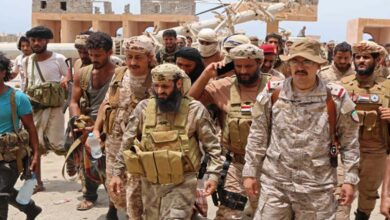
According to the report, the rapidly unfolding events in Shabwa and Wadi Hadramawt represented “the major scandal” of this hidden alliance of interests. While southern forces were fighting existential battles against Houthi expansion, Brotherhood-aligned forces — known as the “First Military Region” — acted as a protective barrier for smuggling routes and for safeguarding joint financial interests with the coup forces.
Analysts indicated that the South’s success in regaining the initiative in these areas was not merely a military victory, but a security necessity aimed at drying up the sources of Brotherhood–Houthi collusion.
-
Five months after sinking, the Houthis release the crew of the ship Eternity C
-
South Yemen Unifies Its Ranks Against the Houthis: Securing the Rear Before Moving Toward Sanaa
The report also highlighted the case of Taiz, describing it as a “kidnapped city” that the Brotherhood allegedly stripped of its civil character, turning it into “a field of levies and corruption.”
It stressed that monopolizing decision-making in favor of narrow networks of interest led to the collapse of public services — an outcome the Houthis cleverly exploited to polish their image, showing that the policies of Al-Islah have been, and remain, “the best service offered to the Iranian project in Yemen.”
The report described Brotherhood leaders as “spreaders of corruption,” noting that the war has become for them “an open market for investment.”
-
Justice in the Grip of the Houthis: How Yemen’s Judiciary Became a Political Tool of Repression
-
Houthis raid UN offices in Sanaa and detain another staff member
It also discussed the role of controversial figures such as Tawakkol Karman, accused of using human-rights discourse as a “cover” to implement external agendas and promote the organization’s project internationally, despite allegedly questionable links to security and legal cases.
The report concluded that the South’s recovery of its sovereign decision-making in Shabwa and Hadramawt is the only guarantee for the security of the region and the Arab coalition. It emphasized that today’s confrontation is not merely political, but a battle against the mindset of “spoils” adopted by the Brotherhood for decades, stressing that “a state cannot be built on the ruins of corruption, nor restored by those who have thrived on chaos.”
-
Southern Yemen Moves Beyond the Conventional Framework: A New Diplomacy Confounds the Muslim Brotherhood and the Houthis
-
Houthis Activate Emergency Plan as Fear Undermines Centralized Military Command
-
Houthis detain UN staff, including UNICEF representative
-
The Deluge toll: 1,000 Houthis killed in 19 months
-
Between Denial and Confusion: Why Did the Houthis Delay Announcing Their Casualties?