A new host country and 15 points… details of the proposal that could end the Iran war
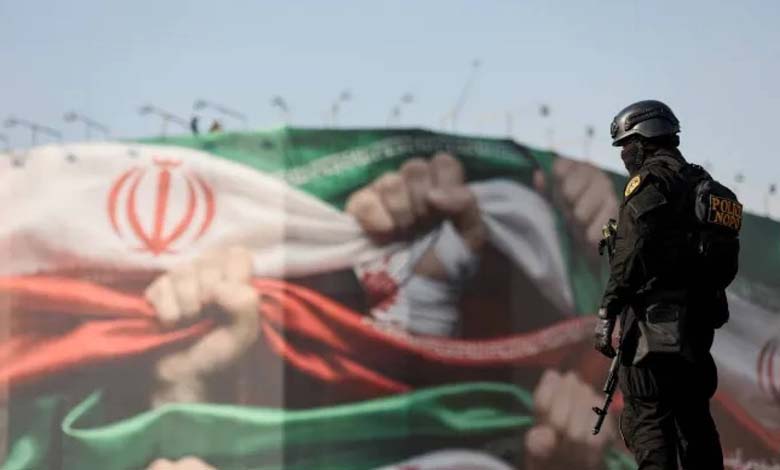
International circles are closely watching the indirect talks between Washington and Tehran, which could mark a decisive turning point in determining the course of the war.
On Monday, U.S. President Donald Trump stated that things are “going very well” regarding Iran, shortly after announcing that discussions had taken place with Tehran and postponing the strikes he had threatened to carry out against its power generation facilities.
-
Twenty countries prepare to take part in securing the Strait of Hormuz
-
Iran proposes a new framework to regulate navigation in the Strait of Hormuz after the war
According to information on CNN, there is “a proposal for Pakistan to host a meeting between the United States and Iran later this week, which may be attended by U.S. Vice President J.D. Vance.”
According to the American network, citing two informed sources, these talks include “strategic proposals from the United States consisting of 15 points aimed at reducing military escalation and ensuring freedom of navigation in vital maritime routes.”
Other sources indicated that “several countries are currently working actively to mediate an agreement between the United States and Iran, amid the ongoing global repercussions of the war.”
-
Iraq negotiates with Iran to allow its tankers to pass through the Strait of Hormuz
-
Without bullets or soldiers: a French solution to the Hormuz crisis
The White House declined to provide further details about the discussions, which President Donald Trump said were led by his envoys Steve Witkoff and Jared Kushner.
In a statement, White House spokesperson Karoline Leavitt said: “These are sensitive diplomatic discussions, and the United States will not negotiate through the media. The situation is fluid, and speculation about meetings should not be considered final until officially announced by the White House.”
15 points
Informed sources stated that Pakistan, Turkey, Egypt, and Oman are involved in the negotiation efforts.
-
Trump mobilizes for a Hormuz alliance and broader international involvement in the war against Iran
-
Two U.S. mine countermeasure ships spotted in Malaysia, far from the Strait of Hormuz
These diplomatic efforts aim to achieve a ceasefire and secure safe passage for ships through the Strait of Hormuz.
Two regional sources said the United States has presented, via Pakistan, a list of 15 points outlining its expectations from Iran, though it remains unclear whether Iran has agreed to any of them.
One source noted that some of these points are “almost impossible” for Iran to accept, while another indicated that they mirror proposals previously presented by the United States to Iran in last year’s negotiations.
On Monday, Donald Trump also referred to the 15-point proposal, stating that the United States and Iran had reached “major points of agreement.”
-
France fears a diplomatic trap after Trump calls for a Hormuz coalition
-
War-weary Iran: why did it choose the Strait of Hormuz as the arena for retaliation?
According to the same sources, Pakistan is putting forward proposals and engaging in mediation efforts, while Omani officials have exchanged messages between the United States and Iran regarding the Strait of Hormuz.
The sources added that Egypt is also participating in what they described as active diplomatic efforts.
Pakistan has developed a strong relationship with the Trump administration over the past year and has long maintained dialogue with the Iranian regime.
So far, none of these countries has officially confirmed or denied the information regarding the location of the talks or any proposals under discussion.
-
Tehran signals the economic nuclear option in the Strait of Hormuz
-
Iranian Revolutionary Guard drills in the Strait of Hormuz: readiness assessment and confrontation scenarios
Who is the Iranian negotiating delegation?
Identifying the interlocutors—or even confirming whether talks are actually taking place—has quickly become a matter of debate.
Donald Trump declined to disclose the identity of the Iranian intermediary his envoys have been communicating with, offering only a brief description of the official as a “highly respected figure.”
Even as the president was speaking, additional Marine units were heading toward the Middle East, raising doubts about the seriousness of these talks.
-
Washington Reveals Iranian Plan to Close Strait of Hormuz During War with Israel
-
What is behind Iran’s policy of intercepting oil tankers in the Strait of Hormuz and the Arabian Gulf?
For its part, Tehran denied that any negotiations were taking place, claiming that Trump had backed down due to fear of an Iranian response.
Iranian Parliament Speaker Mohammad Bagher Ghalibaf—who has been rumored to be the official referenced by Trump—wrote on his X account: “No negotiations have taken place with the United States.”
However, the denial was carefully worded, as Iran did not deny the exchange of messages between the two sides aimed at exploring the possibility of resuming talks.
-
The Iranian Revolutionary Guard continues to attack commercial ships in the Strait of Hormuz
-
Fake messages.. Iranian boats threaten a US ship in the Strait of Hormuz.. What does Tehran want?