The Qom shrine and Mojtaba’s fate… a diplomatic memo reveals surprises
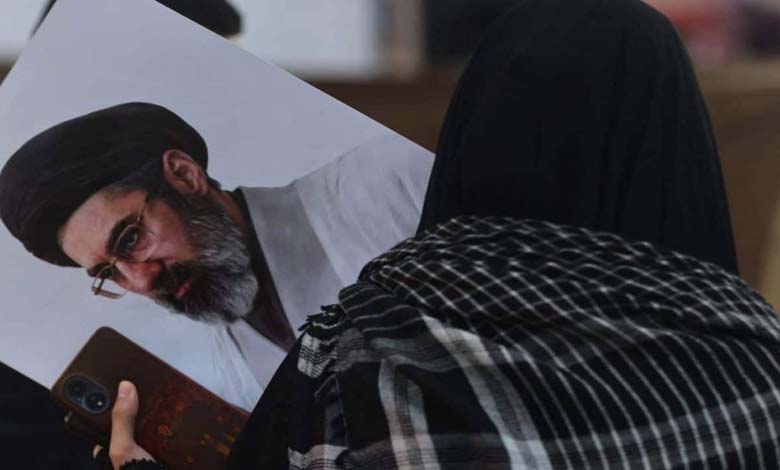
A high-level diplomatic memo, believed to be based on intelligence assessments, has revealed troubling developments regarding the health condition of Iran’s Supreme Leader.
According to the memo, reviewed by the British newspaper The Times, Khamenei (56 years old) is reportedly in Qom in critical condition, described as “unconscious and unable to participate in the decision-making process within the regime.”
-
Iran between absence and presence: no proof of life for Mojtaba Khamenei
-
Mojtaba Khamenei’s Survival of Assassination Attempt Redraws Iran’s Leadership Map
This assessment raises serious questions about the Iranian leadership’s ability to manage the country’s affairs, at a time when Iranian officials insist that the new Supreme Leader is still exercising authority, without providing tangible evidence.
Since the announcement of his selection as successor to his father in early March, Mojtaba Khamenei has neither appeared publicly nor been heard. His media presence has been limited to two written statements attributed to him, along with a video produced using artificial intelligence and broadcast by state television, further increasing doubts about his actual situation.
The absence of any audio recording or direct appearance reinforces accounts suggesting that he has been in a coma or near-coma since being injured in the airstrike that killed his father and several family members at the beginning of the war.
-
Who is Mojtaba Khamenei, before whom Iranian leaders bow?
-
Washington offers a large reward for information about Khamenei
Qom as the center of events
The memo indicates that the city of Qom, regarded as the religious heart of Shiism in Iran, has become a central hub for current developments.
In addition to the presence of the new Supreme Leader there for medical treatment, the body of his father, former Supreme Leader Ali Khamenei, is reportedly being prepared for burial in Qom, marking a shift from the previous official narrative that indicated he would be buried in Mashhad, his birthplace, according to the memo.
Intelligence services have also reportedly observed preparations for the construction of a large mausoleum containing multiple graves, opening the possibility that other family members may be buried at the same site, and perhaps Mojtaba Khamenei himself in the future, according to The Times citing the document.
-
Iran after Khamenei: a disoriented regime and a silent struggle over the Supreme Leader
-
Geopolitical risks unsettle global markets after Khamenei’s death
The postponement of Ali Khamenei’s official funeral had sparked wide controversy, particularly as it contradicts Shiite traditions that call for swift burial.
Tehran justified the delay by citing expectations of “an unprecedented public turnout,” but observers believe the reasons may be security-related or connected to internal instability within the regime.
Next Wednesday will mark the fortieth day since Khamenei senior’s death, an important religious milestone marking the end of the traditional mourning period.
-
Khamenei’s death: where real power lies in the world
-
British newspaper: Khamenei prepared a plan to flee Iran
Security services fear that any large public gathering could be exploited to express public anger or carry out acts of sabotage, especially amid rising internal tensions.
These developments fuel hypotheses suggesting that the Islamic Revolutionary Guard Corps may be the effective actor managing the country, given the absence or incapacity of the new Supreme Leader.
On the international level, President Donald Trump stated that he is in contact with other Iranian officials, emphasizing that he is not dealing directly with the new Supreme Leader, adding further ambiguity regarding who is actually exercising power in Tehran.
-
Iran’s Regime Focused on Finding a Successor to Khamenei
-
Khamenei Urges Strengthening Military Power to Curb Trump’s Threats
-
Khamenei: Damascus Ignored Our Warning about a Plot to Overthrow the Regime