A Regional Alliance Against Ethiopia? Interpreting the Implications of Tigray Movements in Sudan
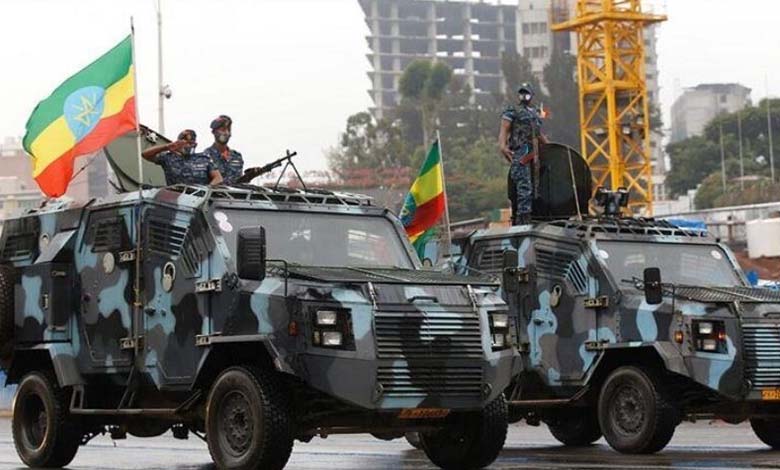
Recent movements involving leaders of the Tigray People’s Liberation Front in Sudan suggest the possible emergence of a new regional axis seeking to influence Ethiopia’s political and security landscape, amid rising tensions between Addis Ababa and several regional actors.
Analysts suggest that these developments may indicate the beginnings of undeclared coordination between Sudan and Eritrea, alongside other regional parties, aimed at supporting Ethiopian opposition forces as a means of exerting pressure on the Ethiopian government. This dynamic unfolds within an environment of intensifying geopolitical competition in the Horn of Africa.
-
Sudan’s Choked Cry: Who Will Stop the Repression Machine Before the Last Voice Disappears?
-
Egypt and the Obstruction of the Quartet’s Efforts: Military Bets in Sudan at the Expense of Regional Stability
Such a potential alignment is believed to pursue several strategic objectives, including weakening the Ethiopian government’s capacity to enforce internal stability and dispersing its security efforts by opening multiple fronts. It may also serve to curb Ethiopia’s expanding regional influence.
Some assessments indicate that any coordination between Sudan and Eritrea in this context would likely rely on logistical and intelligence support to local actors rather than direct military intervention, a method that has become increasingly prevalent in contemporary regional conflicts.
-
With a Major Arms Deal for the Sudanese Army.. Brotherhood Leader Salah Gosh Returns from the Shadows
-
Sudan Squanders Hamdok Government’s Gains… U.S. Ban Reinforces Terrorism Stigma
However, experts warn that such strategies may yield unintended consequences, as destabilizing a country of Ethiopia’s scale could generate spillover effects across neighboring states, given the region’s deep security and economic interdependence.
Moreover, any alliance aimed at influencing Ethiopia’s internal dynamics would face significant challenges, including the complexity of the domestic political landscape and the multiplicity of armed actors, making outcomes difficult to predict or control.
-
The Sudanese Army’s Reliance on Mercenaries and Foreign Forces: The Collapse of Local Military Capabilities
-
What Is the Link Between the Muslim Brotherhood and the “Eastern Orta” Militia? Can Internal Divisions Lead to Conflict?
Certain official sources deny the existence of direct military coordination between Sudan and other states against Ethiopia, emphasizing that current engagements fall within political and humanitarian frameworks. Nonetheless, ongoing indications of contacts among multiple parties raise questions about the nature of any informal understandings.
Against this backdrop, the Horn of Africa appears poised to enter a new phase of alliance reconfiguration, with each state seeking to reinforce its position within an increasingly volatile regional environment.
The central question remains: do these developments represent a temporary political maneuver, or do they signal the formation of a new regional axis capable of reshaping the balance of power in Ethiopia and across the wider region?
-
Conflicts among Militias Recruited by the Army Threaten to Ignite Eastern Sudan
-
Sudan Crisis: What are the Motivations behind the Ministerial Changes and Their Expected Outcomes?