A Study Links Mental Disorders to a Shared Genetic Foundation
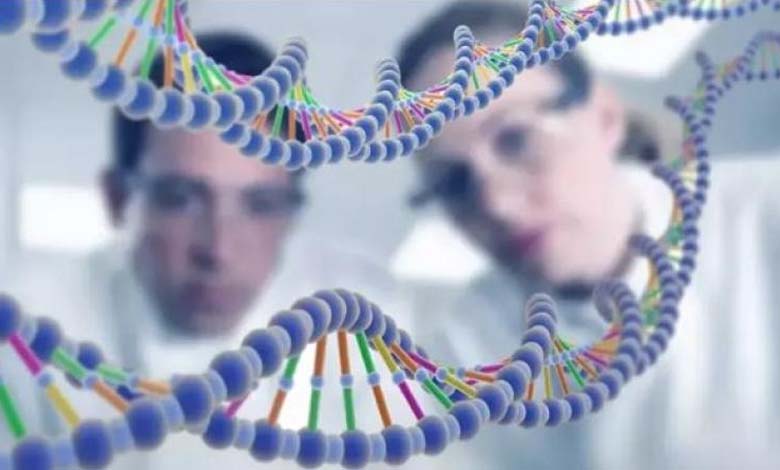
Mental disorders such as depression, anxiety, schizophrenia, and bipolar disorder have long been studied as separate entities, each associated with specific symptoms, causes, and clinical trajectories. However, recent advances in genetics and neuroscience are increasingly challenging this compartmentalized view. A large-scale study now strengthens the idea that a shared genetic foundation may underlie several mental disorders, suggesting a common biological origin beyond traditional diagnostic classifications.
-
Midlife depression as an early indicator of future dementia risk
-
Study Warns Night Owls of Increased Risk of Depression
This transdiagnostic approach is based on the analysis of extensive genetic databases involving hundreds of thousands of individuals. By comparing genetic variations associated with different mental disorders, researchers observed significant overlaps. Certain regions of the genome, involved in brain development, synaptic plasticity, and neurotransmitter regulation, appear as points of convergence between conditions previously considered distinct.
The human brain develops through finely orchestrated genetic processes. Genes involved in neuronal migration, synaptic connection formation, and the balance of brain networks play a central role in mental health. When these mechanisms are disrupted, even subtly, they can increase vulnerability to various mental disorders. As a result, the same set of genetic variations may lead to different clinical manifestations depending on environmental influences, personal history, and other biological factors.
-
Late Sleep and Depression: How Staying Up at Night Affects Mental Health
-
Prenatal Depression: Why Does It Happen?
One of the major contributions of this study lies in its support for a continuous view of mental health. Rather than seeing mental disorders as clearly separated categories, the findings suggest the existence of a continuum of vulnerability. From this perspective, diagnoses would reflect clusters of symptoms rather than entirely distinct diseases at the biological level. This view may help explain why comorbidities are common and why many patients exhibit symptoms that span multiple diagnostic categories.
The clinical implications of these discoveries are substantial. Recognizing a shared genetic basis could lead to a rethinking of prevention strategies by identifying at-risk individuals earlier, regardless of a specific diagnosis. Moreover, it opens the door to treatments targeting shared biological mechanisms rather than isolated symptoms. Such an approach could improve therapeutic effectiveness and reduce side effects associated with overly narrow or inappropriate interventions.
-
Which Mothers Are Most at Risk of Postpartum Depression?
-
Experimental Drug to Treat Depression Without Narcotic Side Effects
It is essential, however, to emphasize that genetics alone does not determine the development of mental disorders. Environmental factors, such as chronic stress, early-life trauma, socio-economic conditions, and lifestyle, interact closely with genetic predisposition. The study therefore highlights the importance of an integrated model in which genes confer susceptibility, while environmental influences shape the expression and progression of disorders.
At a societal level, these findings may also contribute to reducing the stigma associated with mental illness. Demonstrating a shared biological basis helps to recognize mental disorders as genuine medical conditions rather than personal weaknesses or individual choices. This scientific recognition can foster greater understanding, earlier care, and stronger social support for those affected.
-
A Scientific Study Reveals a Promising Solution for Depression and Heart Diseases
-
Simple Exercises Reduce Rates of Depression and Anxiety
In conclusion, the study linking mental disorders to a shared genetic foundation represents an important step forward in understanding mental health. It invites a shift beyond traditional diagnostic boundaries toward a more global and integrated view of brain functioning. While further research is needed to translate these insights into concrete clinical applications, this approach offers promising perspectives for prevention, treatment, and the destigmatization of mental disorders.
-
The Importance of Mental Health: Understanding and Managing Anxiety, Depression, and Stress
-
Positive thinking strengthens immunity: A study reveals the secrets of the brain and health
-
Five minutes of walking a day against premature death
-
Why walking should be combined with other exercises