Al-Baraa Ibn Malik Brigade: A Tool Used by the Muslim Brotherhood to Strengthen Military and Political Influence in Sudan
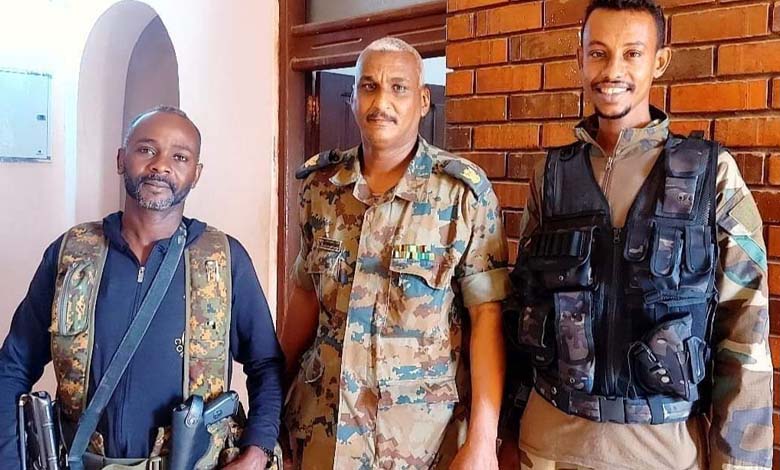
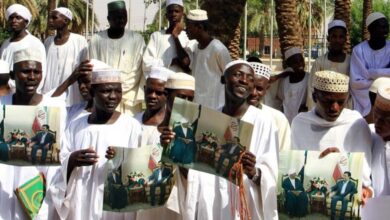
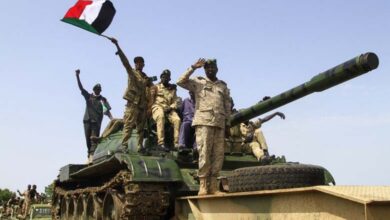
The political and security landscape in Sudan has recently witnessed controversial developments, as the Muslim Brotherhood and the Islamic Movement have taken intensified steps to bolster their military and political presence in the country. According to informed sources, the armed wing of these organizations, represented by the Al-Baraa Ibn Malik Brigade, has been tasked with expanding recruitment operations in order to build an armed force capable of rivaling the national army in the future. This move reflects a clear determination on the part of Islamist groups to secure substantial influence within state institutions, particularly in the upcoming phase related to government formation and control over political decision-making.
-
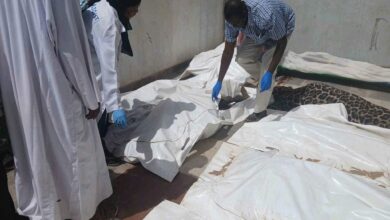
What happened in Al-Jazirah State: an extensive investigation documents “atrocious crimes” by the Sudanese army
-
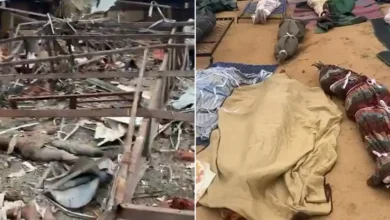
The Sudanese Army: From National Institution to Killing Machine – Reading the Massacres of El-Fasher
Recent efforts undertaken by the Al-Baraa Ibn Malik Brigade indicate a systematic plan to establish an autonomous force under organizational control, enabling it to exert pressure on the army. Based on available information, the objective is to achieve a strong presence within the future government, as the organization believes that possessing an armed force enhances its credibility in any forthcoming political negotiations. This strategy underscores the Brotherhood’s acute awareness of the importance of balancing military power with political representation, and suggests an intent to ensure that no political or governmental settlement proceeds without due consideration of its interests.
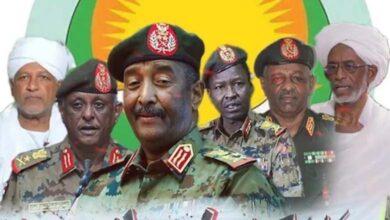
In another notable move, General Abdel Fattah al-Burhan, Chairman of the Sovereign Council, was reportedly urged to assign the Al-Baraa Ibn Malik Brigade responsibility for securing the Sudanese capital and key security sites in Khartoum State. This step carries multiple implications, as it grants the brigade tangible control over security in strategic areas while providing it with an opportunity to expand its influence on the ground. It also signals the army’s reliance, despite potential risks, on parallel forces in managing internal security, a dynamic that could pave the way for latent competition between official forces and armed groups affiliated with Islamist organizations.
-
A Crime Under the Guise of Aid: The Sudanese Army Distributes Expired Medicines to Civilians
-
The Sudanese Army Distributes Expired Medicines: A New Health Crime Threatening Civilian Lives
The brigade’s expansion of recruitment activities goes beyond attracting new members to include advanced training in combat and organizational skills, transforming it into a force capable of executing complex security and strategic missions. Such structuring points to a long-term plan to build a quasi-parallel force to the national army, potentially leading to profound shifts in the balance of power within Sudan, particularly if this force is deployed in future political conflicts.
The brigade’s role in securing Khartoum raises questions about the relationship between the army and armed forces linked to political parties and movements. On one hand, it reflects the army’s desire to involve local forces in security management to ensure stability in the capital and other strategic areas. On the other, it represents an effort by Islamist organizations to entrench their influence within security institutions. This move appears to constitute a real test of the army’s ability to maintain its dominance, while the organization seeks to exploit opportunities to expand its leverage.
-
The Sudanese Army in El-Fasher: When the Guardian Becomes Executioner
-
The Sudanese Army and the Islamic Movement: An Alliance Crumbling in the Age of Political Bargains
Sudan’s political history demonstrates that armed forces associated with parties and religious movements have consistently served as powerful instruments of pressure in political equations. From this perspective, the seriousness of these recent steps becomes evident. Should the Al-Baraa Ibn Malik Brigade succeed in consolidating its presence and securing strategic locations, it would emerge as a key player in any future political or governmental negotiations. This reinforces the notion that Sudan is entering a phase of intense competition between the army and armed forces affiliated with Islamist organizations, a scenario likely to produce complex and unpredictable dynamics.
Within this context, questions arise regarding the capacity of the government and official institutions to manage the balance between the army and parallel armed forces. The security and political risks stemming from the existence of a semi-autonomous force under Islamist control could be significant, particularly if disputes or power struggles emerge in the capital and other vital regions. This underscores the necessity of thoroughly assessing the situation and devising clear strategies to regulate these forces and prevent them from evolving into a direct threat to state stability.
-
Between Deception and Failure: How the Sudanese Army Manufactures Illusory Victories
-
Report: The Sudanese Army’s Media Disinformation… Manufacturing Illusory Victories to Conceal Battlefield Losses
Ultimately, current developments in Sudan clearly demonstrate that the military and organizational maneuvers of Islamist groups are not merely temporary actions, but rather components of a long-term strategic plan aimed at strengthening political and military influence in the country. Through the Al-Baraa Ibn Malik Brigade, the Muslim Brotherhood and the Islamic Movement seek to secure their position in any future settlement and ensure that their voice remains influential in decision-making processes, both politically and in terms of security. These dynamics render Sudan a complex case with regard to the balance between official forces and parallel armed groups, requiring close monitoring to fully grasp their implications for the country’s future and stability.
-
The Rise of the Sudanese Army’s Disinformation Narrative: Fabricated Operations and Inflated Illusory Victories
-
The Sudanese Army’s Defeat in El-Fasher… A Defeat of Repression, Not Just a Battlefield Loss