Artificial intelligence diagnoses diseases through tongue examination
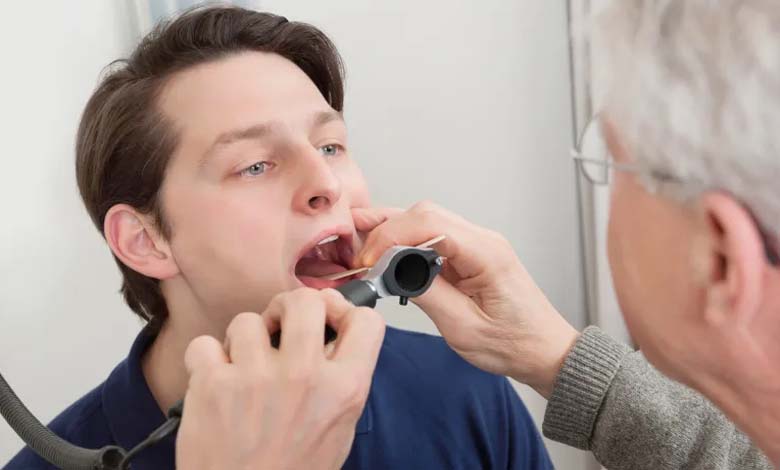
For centuries, the tongue has been considered an important indicator of health, particularly in traditional medical systems. Today, advances in artificial intelligence are transforming this ancient practice into a scientifically validated diagnostic tool. By analyzing the color, texture, shape and moisture of the tongue, artificial intelligence systems are now able to identify signs associated with various diseases. This innovation represents a major step toward early, non-invasive and widely accessible medical diagnosis.
-
Misdiagnosis of Chronic Diseases Causes Permanent Damage
-
Gum Diseases: A Risk Factor for White Matter Damage in the Brain
The tongue as a reflection of overall health
The tongue is closely connected to blood circulation, digestion, metabolism and immune function. Visible changes may reflect internal imbalances, nutritional deficiencies or chronic inflammation. A pale tongue may indicate anemia, a yellowish tone can be linked to liver disorders, while a red and dry tongue may suggest inflammation or dehydration. What was once subjective observation is now becoming quantifiable through digital analysis.
How artificial intelligence examines the tongue
Artificial intelligence systems rely on deep learning algorithms trained on vast datasets of tongue images paired with verified medical diagnoses. These algorithms detect complex patterns that are often invisible to the human eye. The analysis focuses on multiple features, including color distribution, surface texture, coating thickness, cracks and overall symmetry. Within seconds, the system can generate a health assessment indicating possible disease risks.
-
Camphor Oil: A Natural Remedy for Respiratory Diseases and Joint Pain?
-
Prevention of Neurodegenerative Diseases
Diseases that can be identified
Current research suggests that artificial intelligence-based tongue analysis may assist in detecting conditions such as diabetes, cardiovascular diseases, chronic digestive disorders, liver diseases and hormonal imbalances. Experimental studies also point to its potential role in the early detection of neurological disorders and certain cancers, although further clinical validation is required before widespread use.
Benefits of a non-invasive diagnostic method
One of the greatest advantages of this technology is its non-invasive nature. Unlike blood tests or complex imaging procedures, tongue analysis can be performed using a simple photograph, sometimes captured with a smartphone. This makes the technology particularly valuable in remote areas with limited access to healthcare facilities. It also allows continuous health monitoring without discomfort for patients.
-
An Unprecedented Surge of Mosquito-Borne Diseases in Europe
-
Repressed Anger in Women: A Hidden Trigger for Autoimmune Diseases?
Limitations and ethical considerations
Despite its promise, artificial intelligence cannot fully replace medical professionals. The results must always be interpreted by qualified healthcare providers. Ethical challenges also arise, including data privacy, algorithm transparency and the risk of bias in training datasets. Proper regulation and oversight are essential to ensure safe and responsible implementation.
Future prospects
In the future, artificial intelligence-based tongue analysis may become part of integrated telemedicine platforms combining visual, biometric and clinical data. Such systems could enable more accurate and personalized health assessments. As algorithms improve and datasets expand, this technology may play a significant role in preventive medicine, complementing traditional diagnostic methods.
-
Head Injuries May Reactivate Viruses and Increase the Risk of Neurological Diseases
-
Head Injuries May Reactivate Viruses and Increase the Risk of Neurological Diseases
The use of artificial intelligence to diagnose diseases through tongue examination represents a significant medical innovation. By bridging traditional knowledge and modern technology, it paves the way for more accessible, preventive and personalized healthcare. While challenges remain, the potential benefits for public health are substantial, signaling a new era in medical diagnosis.
-
How to Protect Yourself from Widespread Respiratory Diseases this Season
-
Hand Tremors… A Simple Sign That May Hide Serious Diseases