Bombing of heavy water… What do we know about Iran’s Arak?
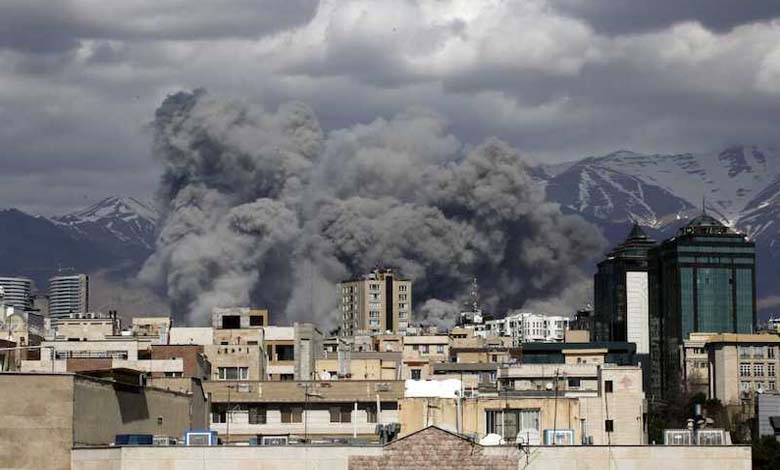
The “Arak” facility returned to the spotlight on Friday following an Israeli strike, highlighting its role in Iran’s nuclear program.
Israeli fighter jets attacked the heavy-water reactor in Arak, central Iran, after detecting “attempts at reconstruction.”
Iran acknowledged the attack but did not disclose the extent of the damage.
Heavy water is a unique substance used to operate nuclear reactors such as the inactive reactor in Arak, which was originally designed to have the capability to produce weapons-grade plutonium, according to a statement by the Israeli army.
These materials are used as a source for extracting neutrons for nuclear weapons purposes.
What is the Arak reactor?
Arak is a facility that is not operational and was shut down in accordance with the provisions of the 2015 agreement between Tehran and the major powers regarding Iran’s nuclear program.
However, the facility is capable of producing plutonium, which can be used to make an atomic bomb, according to the Associated Press.
The nuclear complex is located near the city of Arak in Markazi Province, about 250 kilometers southwest of Tehran. It consists of two main facilities: the Heavy Water Production Plant (HWPP) and the “IR-40” reactor with a thermal capacity of 40 megawatts.
The Arak reactor has been one of the main points of concern for the international community due to the possibility of using the plutonium it produces to manufacture nuclear weapons, making it a central issue in nuclear negotiations between Iran and the major powers.
In 2015, the reactor was redesigned under the nuclear agreement to reduce its plutonium production capacity, but the facility remained under close monitoring.
Suspicion surrounding the facility resurfaced after Washington withdrew from the nuclear agreement in 2018 and after Iran imposed “restrictions” on international inspectors at the site.
The “Arak” reactor had previously been targeted by an airstrike in June 2025, according to reports from the International Atomic Energy Agency and U.S. reports.