Toward an alliance to secure Hormuz: meeting of the chiefs of staff of 35 countries
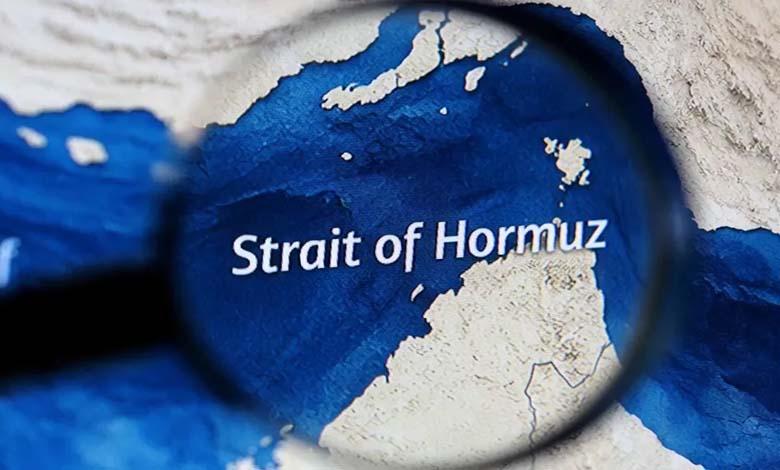
The chiefs of staff of the armed forces of 35 countries met via videoconference to form an alliance aimed at “resuming navigation in the Strait of Hormuz after the cessation of hostilities.”
This was announced by the Ministère des Armées in a statement released on Thursday, noting that the meeting, “organized by the Chief of Staff of the French Armed Forces,” “made it possible to record the positions of states willing to participate in a coordinated initiative intended to strengthen maritime navigation security in this strategic area.”
-
Bahrain pushes for an international resolution authorizing the use of force in the Strait of Hormuz
-
Twenty countries prepare to take part in securing the Strait of Hormuz
The statement clarified that this initiative “has no connection with the ongoing military operations in the region” and is “purely defensive in nature,” reiterating the position of many countries that expressed readiness to work toward securing the strait while refusing to be associated with the American and Israeli attacks.
On Wednesday, the Ministry of Defence told the Agence France-Presse that London and Paris would organize a meeting this week bringing together the countries that signed a statement issued last week calling for an end to attacks on oil and gas infrastructure in the Gulf.
-
Iran proposes a new framework to regulate navigation in the Strait of Hormuz after the war
-
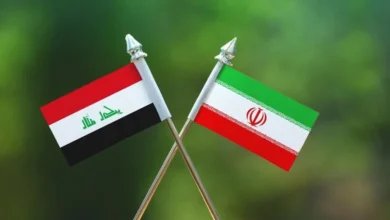
Iraq negotiates with Iran to allow its tankers to pass through the Strait of Hormuz
Last week, the Government of the United Kingdom, the Government of France, the Government of Germany, the Government of Italy, the Government of Japan, and the Government of the Netherlands announced their willingness to “contribute to appropriate efforts to ensure safe passage through the Strait of Hormuz,” after which 24 other countries endorsed the statement.
British media outlets, including The Guardian and The Times, reported that London proposed hosting a later international conference in Portsmouth or London on the security of the Strait of Hormuz to form a coalition of countries committed to this mission.
-
Without bullets or soldiers: a French solution to the Hormuz crisis
-
Trump mobilizes for a Hormuz alliance and broader international involvement in the war against Iran
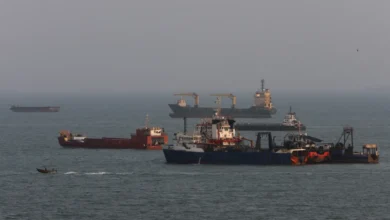
Since the outbreak of war following strikes carried out by Israel and the United States against Iran on February 28, Tehran has effectively closed the Strait of Hormuz, through which about one-fifth of the world’s oil production, as well as liquefied natural gas, normally passes.
This has led to a sharp rise in fuel prices and has affected the global economy.
-
Two U.S. mine countermeasure ships spotted in Malaysia, far from the Strait of Hormuz
-
France fears a diplomatic trap after Trump calls for a Hormuz coalition
-
War-weary Iran: why did it choose the Strait of Hormuz as the arena for retaliation?
-
Tehran signals the economic nuclear option in the Strait of Hormuz
-
Dispute between the army and the Revolutionary Guard over closing the Strait of Hormuz
-
Iranian Revolutionary Guard drills in the Strait of Hormuz: readiness assessment and confrontation scenarios
-
Washington Reveals Iranian Plan to Close Strait of Hormuz During War with Israel
-
What is behind Iran’s policy of intercepting oil tankers in the Strait of Hormuz and the Arabian Gulf?
-
The Iranian Revolutionary Guard continues to attack commercial ships in the Strait of Hormuz