Cold-water baths in winter: healthy habit or harmful practice?
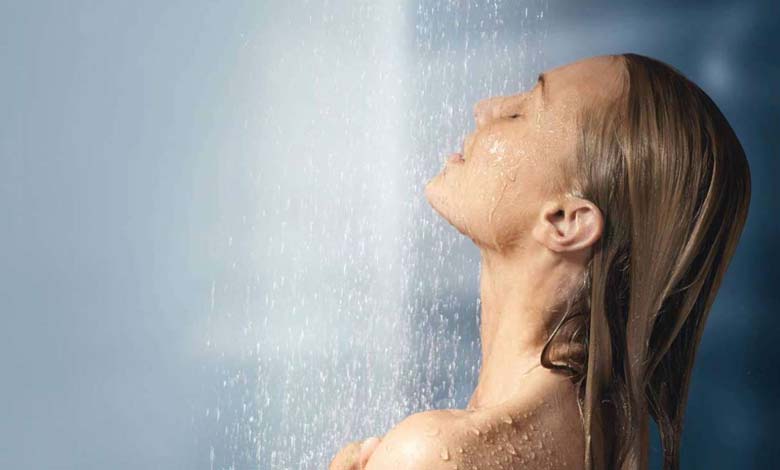
Cold-water immersion has become a popular wellness trend worldwide. Many people claim that it boosts energy, strengthens the immune system and improves mood. Yet plunging into icy water during winter raises an important question: is it truly beneficial, or can it be risky for our health?
How the body reacts to cold
When the body is suddenly exposed to cold water, it experiences a thermal shock. Blood vessels constrict, the heart rate rises and breathing becomes faster. This is a protective reaction aimed at preserving heat around vital organs. After leaving the water, circulation increases again, creating a sensation of warmth and sometimes relaxation.
These mechanisms explain why some people feel refreshed and mentally clear afterwards. They also reveal that this practice has a strong impact on the body and should never be taken lightly.
Possible benefits
Scientific observations suggest several potential advantages, provided the exposure is short, gradual and supervised.
- Reduction of inflammation. Cold exposure can decrease muscle soreness and support recovery after exercise.
- Mood improvement. Cold stimulates hormones linked to alertness and emotional regulation, which may reduce stress.
- Adaptation to temperature variations. With careful training, the body may become more tolerant to cold environments.
However, these effects are not guaranteed and should not be considered medical treatment. Cold-water baths do not replace exercise, healthy eating or proper medical care.
Real risks that must be considered
Winter cold also involves significant dangers.
- Cold shock. Sudden immersion can trigger uncontrolled breathing, dizziness and loss of coordination.
- Heart stress. People with heart disease, high blood pressure or hidden conditions may face dangerous complications.
- Hypothermia. Staying too long in cold water lowers body temperature and leads to confusion and exhaustion.
- Vulnerable groups. Children, teenagers, older adults, pregnant women and people with chronic illness should avoid this practice unless advised by a doctor.
In other words, what feels invigorating to some may be unsafe for others.
Safer ways to approach the practice, if one chooses to try
Medical advice is essential before starting. Basic precautions include:
- Avoid sudden immersion. Start with lukewarm showers, gradually cooling them.
- Keep exposure short, especially at the beginning.
- Never practice alone and stay in a controlled environment.
- Leave the water immediately if chest pain, dizziness or excessive shivering occurs.
- Warm up slowly afterward with dry clothes and gentle heat.
It is also important to remember that social-media challenges do not reflect responsible health behavior.
Cold-water baths in winter can offer a sense of vitality when practiced carefully and by healthy individuals. Yet they also carry real risks when done impulsively or without preparation. A balanced lifestyle — sleep, nutrition, movement and stress management — remains far more essential than any extreme wellness trend.