Cold Water for Weight Loss: Myth or Scientific Reality?
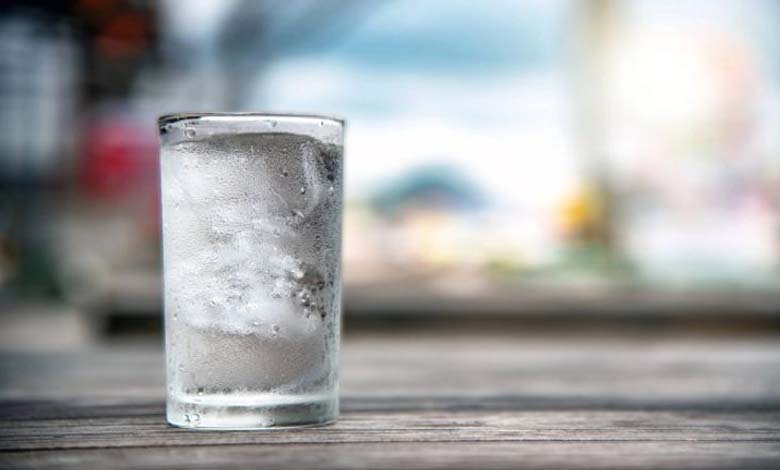
In the world of nutrition and weight loss, many ideas circulate about simple and accessible methods supposedly capable of promoting slimming. Among them, drinking cold water holds a particular place, often presented as a natural way to accelerate calorie burning and stimulate metabolism. But is this claim based on solid scientific grounds, or does it belong more to popular myth than to medical reality?
Water is essential for the proper functioning of the body. It plays a role in digestion, body temperature regulation, nutrient transport, and waste elimination. Regarding weight control, drinking enough water is recognized as a favorable factor, notably because it contributes to satiety and helps reduce overall caloric intake. However, the specific question of water temperature deserves closer examination.
From a physiological point of view, drinking cold water does indeed force the body to expend some energy to bring that water up to body temperature, around 37 degrees Celsius. This process, known as cold-induced thermogenesis, leads to a slight increase in energy expenditure. Nevertheless, the calories burned in this way remain very limited. It is estimated that drinking one liter of cold water burns about 10 to 15 kilocalories, a relatively negligible figure compared with daily energy requirements.
Thus, even if this effect exists, it cannot on its own lead to significant weight loss. Body mass reduction depends primarily on a sustainable caloric deficit, achieved through balanced nutrition and regular physical activity. Cold water can therefore be considered only a marginal support, but in no case a miracle solution.
It is also important to highlight the indirect positive effects linked to proper hydration, regardless of water temperature. Drinking before meals can promote a feeling of fullness, thereby reducing the quantity of food consumed. Moreover, adequate hydration improves digestive function, supports metabolism, and prevents water retention, sometimes mistaken for actual weight gain.
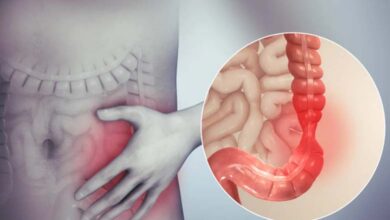
However, drinking cold water is not without drawbacks for certain individuals. In sensitive people, it may cause stomach discomfort, digestive spasms, or throat irritation, especially after intense physical effort or during periods of extreme heat. In such situations, cool but not icy water is generally better tolerated and just as effective for hydration.
It should also be remembered that the human body has sophisticated mechanisms of thermal regulation. If cold water triggers a slight increase in energy expenditure, the body quickly compensates for this variation, which considerably limits its impact on long-term weight. Excessive focus on this detail therefore risks diverting attention from the true levers of weight loss: nutritional quality, regular physical activity, sleep, and stress management.
In conclusion, cold water may contribute modestly to daily energy expenditure, but it is neither an independent method nor a sufficient means to lose weight. Considering it as a slimming solution belongs more to myth than to scientific reality. Nevertheless, drinking water regularly, whether cold, room temperature, or slightly cool, remains an essential health habit and a valuable ally in any weight control strategy.
Conclusion: cold water is not a complete illusion, but its effect on weight loss remains marginal. It should be integrated into a global and realistic approach to health, based on sustainable habits rather than simplistic promises.