Common spices that help relieve symptoms of polycystic ovary syndrome
Polycystic ovary syndrome, commonly known as PCOS, is one of the most frequent hormonal disorders affecting women of reproductive age. It is characterized by a complex hormonal imbalance that can lead to irregular menstrual cycles, disrupted ovulation, insulin resistance, weight gain, acne, excessive hair growth and chronic fatigue. While medical management remains essential, nutrition plays a crucial complementary role in alleviating symptoms.
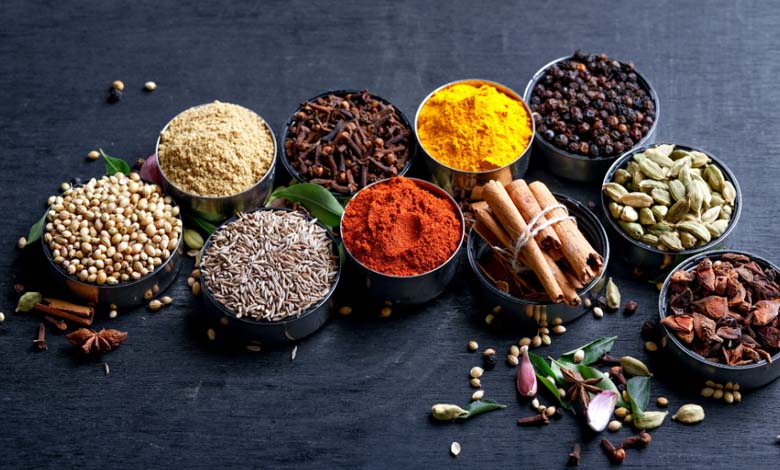
Among dietary components, certain common spices have gained scientific attention due to their anti-inflammatory, antioxidant and metabolic regulatory properties. When incorporated into a balanced daily diet, these spices may help improve insulin sensitivity, reduce chronic inflammation and support hormonal balance.
-
Common Spices That May Cancel Out the Effects of Medications
-
How long does turmeric stay in your body?
Turmeric: a powerful natural anti-inflammatory
Turmeric is one of the most extensively studied spices in relation to metabolic and hormonal disorders. Its main active compound, curcumin, is known for its strong anti-inflammatory and antioxidant effects. Low-grade chronic inflammation is common in women with PCOS and contributes significantly to insulin resistance.
Regular consumption of turmeric may help lower inflammatory markers, improve insulin response and support glucose metabolism. For optimal absorption, turmeric is best consumed with a small amount of black pepper and a source of dietary fat.
-
Excessive Cinnamon Consumption: An Overlooked Risk for Liver Health
-
Is It Recommended to Consume Turmeric and Honey Together? A Beneficial Combination or Not?
Cinnamon: a natural aid for insulin resistance
Cinnamon is widely recognized for its role in blood sugar regulation. Several studies indicate that it can enhance insulin sensitivity, a key factor in managing PCOS. By improving the ability of cells to utilize glucose, cinnamon helps reduce blood sugar spikes and limit fat storage.
In some women with PCOS, regular and moderate intake of cinnamon has been associated with improved menstrual regularity. It can easily be added to warm beverages, plain yogurt or low-glycemic desserts.
-
Medical Warnings About Turmeric Supplements: An Underestimated Threat to Liver Health
-
How long does turmeric stay in your body?
Ginger: hormonal and digestive support
Ginger is a spice with multiple benefits, particularly anti-inflammatory and antioxidant properties. It is also known for supporting digestion and blood circulation. In the context of PCOS, ginger may help reduce systemic inflammation and improve lipid profiles.
Some research suggests that ginger may also have a positive influence on hormonal balance, particularly by supporting ovarian function. Its ability to relieve menstrual discomfort is an additional benefit for women experiencing painful or irregular cycles.
-
Excessive Cinnamon Consumption: An Overlooked Risk for Liver Health
-
Is It Recommended to Consume Turmeric and Honey Together? A Beneficial Combination or Not?
Fenugreek: blood sugar and metabolic regulation
Fenugreek has traditionally been used to support digestion and regulate blood glucose levels. It contains soluble fibers and bioactive compounds that slow sugar absorption and enhance insulin response. These properties make it especially relevant for women with PCOS associated with insulin resistance.
Furthermore, fenugreek may help reduce excessive appetite and support weight management, which is a central aspect of comprehensive PCOS care.
-
The DASH Diet: A Science-Backed Strategy to Lower Blood Pressure and Boost Heart Health
-
Replacing Sodium with Potassium Salt: Does It Reduce Heart Risks?
Cumin: metabolic and digestive balance
Cumin is often overlooked despite its beneficial metabolic effects. It supports digestion, reduces bloating and contributes to liver function. Some evidence suggests that it may also help regulate cholesterol and blood sugar levels.
Within the context of PCOS, cumin can help ease digestive discomfort linked to hormonal imbalances and indirectly support better weight and energy management.
A holistic approach and necessary precautions
Although these spices can provide natural support, they do not replace medical supervision or prescribed treatments. Their effectiveness depends on a holistic approach that includes balanced nutrition, regular physical activity, adequate sleep and stress management.
It is also important to use these spices in moderation and avoid excessive self-medication, particularly through highly concentrated supplements, without professional medical advice.
-
5 Things You Should Know Before Buying Dietary Supplements
-
How Low Magnesium Levels Affect Your Health