Deserted streets and closed shops: Hasakah awaits Syrian government forces
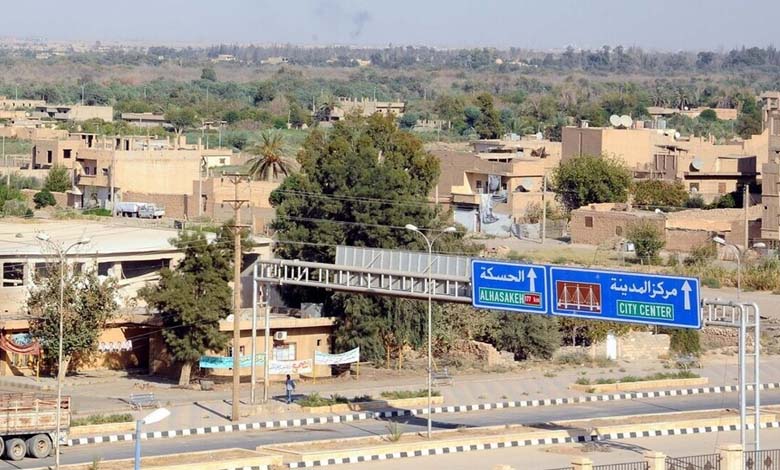
The province of Hasakah in northeastern Syria is receiving government forces on Monday, as the Syrian Democratic Forces imposed a curfew until 6 p.m.
The streets of Hasakah appeared deserted and devoid of pedestrians, while Kurdish forces were deployed in preparation for the entry of security units, in accordance with an agreement welcomed by the United States between the Syrian government and the Kurds to begin integrating the institutions of the Autonomous Administration into the state.
-
The Syrian Democratic Forces cling to the administration of Hasakah, al-Charaa threatens escalation
-
Complex Situation and Declaration of War: Escalating Crisis Between Arab Tribes and Syrian Democratic Forces
On Friday, authorities in Damascus and the Syrian Democratic Forces reached a comprehensive agreement to integrate the civil and military institutions of the Kurdish Autonomous Administration into the Syrian state, following weeks of clashes between the two sides. As a result of these confrontations, Damascus managed to reassert control over vast areas in the north and east of the country.
In a statement issued on Sunday, Kurdish security forces announced the imposition of a curfew in Hasakah on Monday from 6 a.m. (03:00 GMT) until 6 p.m., noting that the same measure would be enforced in Qamishli on Tuesday.
-
The Syrian Democratic Forces Imposes Curfew in Deir ez-Zor as Battles Escalate with Tribes
-
150 elements… Iraq receives the first batch of ISIS detainees from Syrian prisons
The commander of the Syrian Democratic Forces, Mazloum Abdi, said the agreement would begin to be implemented on the ground starting Monday. He added that his forces and government troops would withdraw from the contact lines in the northeast and in the city of Kobane (Ayn al-Arab), while a limited security force would enter Hasakah and Qamishli.
Government forces are also expected to enter the city of Kobane, which holds special symbolic significance for Syria’s Kurds, who regard it as a symbol of their resilience and victory over the Islamic State group, which besieged the city in 2015.
-
After the SDF withdrawal, Syrian security forces deploy in Al-Hol camp
-
Syrian army takes control of the country’s largest oil field
The head of internal security in Aleppo province, Colonel Mohammad Abdel Ghani, announced on Sunday that he had met Kurdish internal security forces in Kobane to arrange procedures and initiate the entry of Interior Ministry forces, without specifying an implementation date.
He noted that the process depends on certain technical details, while affirming the positive response of the Kurdish side.
The agreement provides for the withdrawal of military forces from contact points and the entry of Interior Ministry security forces into the centers of Hasakah and Qamishli. It also stipulates the gradual integration of Kurdish military forces and administrative institutions into the structure of the Syrian state.
-
Syrian army takes control of Deir Hafir east of Aleppo as crucial meeting held in Erbil
-
The Entry of Syrian Islamic Factions into Politics: Tactical Shift or Genuine Transformation?
It further the formation of a military division comprising three brigades from the Syrian Democratic Forces within the Syrian army in the northeast, in addition to the creation of another brigade for Kobane forces.
In practice, the agreement represents a major setback for the Kurds, who had hoped to preserve the gains of the Autonomous Administration they built over years of conflict. These gains included organized and trained civil and military institutions that administered vast areas in northern and eastern Syria.
-
Clashes near Sweida shatter ceasefire: Washington urges Syrians to build a new unified identity
-
Syrian Coast Events: Commitment to “Accountability” and Arrest of Suspects
The agreement between the SDF and Damascus
The agreement consists of 14 clauses, distributed across four phases to be implemented over one month, in addition to a fifth phase involving permanent commitments between the two parties. The draft agreement includes the following provisions:
Declaration of a permanent and comprehensive ceasefire, cessation of all arrest and raid operations, while the Syrian Democratic Forces continue to guard Islamic State prisons.
Military withdrawal of the Syrian Democratic Forces from the cities of Hasakah and Qamishli to agreed military barracks, in exchange for the immediate withdrawal of the Syrian army to the town of Shaddadi in southern Hasakah province.
Formation by the Syrian Ministry of Defense of a special military division for Hasakah province, with the integration of the Syrian Democratic Forces into three brigades.
-
Observatory: Russia Transferred Syrian Officers to a Base in North Africa
-
Washington Navigates the Syrian “Minefield”
Integration of the military force in the city of Kobane (Ayn al-Arab) into a brigade affiliated with a military division in Aleppo province.
Entry of 15 security vehicles into each of the cities of Hasakah and Qamishli to enhance security and stability, and the launch of the process to integrate SDF security forces into the Ministry of the Interior.
Appointment of local officials as follows:
-
- Appointment of the governor of Hasakah province and a deputy defense minister nominated by the Syrian Democratic Forces.
- Appointment of the provincial security chief nominated by the Syrian government. Handover by the Syrian Democratic Forces to the Syrian government of the Rumeilan and Sweidiya oil fields, as well as Qamishli airport. Deployment of a team from the Land Border Crossings Authority to the Semalka and Nusaybin crossings.
-
French and German Conditions for Supporting the New Syrian Leadership
-
Who is General Marhaf Abu Kasra, the New Syrian Defense Minister?
Transfer to the Syrian government of all civil institutions in Hasakah province.
Prohibition of the entry of military forces into cities and towns by all parties.
Settlement and recognition of all educational certificates issued by the Autonomous Administration in northeastern Syria.
Licensing of all local and cultural organizations and media institutions in accordance with the applicable laws issued by the competent ministries.
Cooperation with the Ministry of Education to discuss the educational track specific to the Kurdish community.
Ensuring the return of all displaced persons to their cities and villages, particularly in Afrin, Sheikh Maqsoud, and Ras al-Ayn.
-
Syrian Kurds Plan to Empty Jihadist Camps by the End of the Year
-
Security Chaos Returns to Syrian Regions… Hayat Tahrir al-Cham Members Top the List of Accused