Diplomacy races against rising tensions: anticipation of Muscat talks between Washington and Tehran
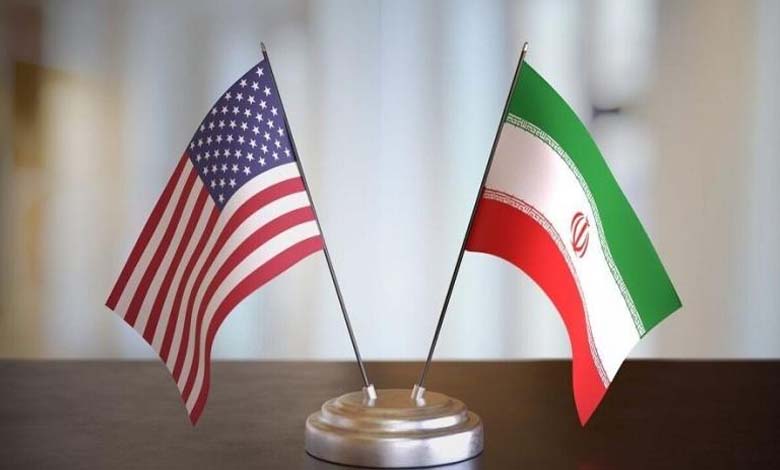
Tehran and the United States are preparing, on Friday, to hold negotiations in Oman regarding Iran’s nuclear program, following a turbulent week.
Both countries are returning to the Sultanate of Oman after months of failed rounds of talks that followed Israel’s twelve-day war against Iran last June.
-
Khamenei speaks of a coup attempt and outlines the response to any U.S. strike
-
Trump and Iran: three military paths on the decision table
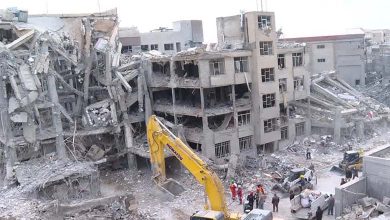
During that conflict, the United States struck Iranian nuclear sites, likely destroying numerous centrifuges. Israeli attacks also dismantled Iran’s air defense systems and targeted its ballistic missile arsenal.
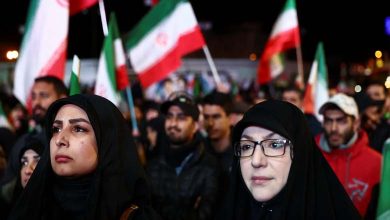
U.S. officials, including Secretary of State Marco Rubio, believe that Iran’s ruling regime is now in its weakest position since the 1979 revolution, particularly after the nationwide protests that erupted last month, which represented the most serious challenge yet to the rule of Supreme Leader Ali Khamenei, aged 86.
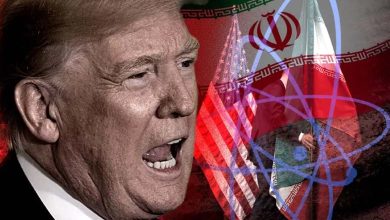
The protests resulted in thousands of deaths and arrests, prompting U.S. President Donald Trump to issue new military threats against Iran.
-
Iran in the crosshairs of Lincoln and its sisters… Messages of fire before the decision
-
Iran protests put Trump to the test between escalation and dialogue
With the presence of the U.S. aircraft carrier USS Abraham Lincoln and other warships in the region, alongside additional fighter jets, the United States likely possesses the military capability required to launch an attack should it choose to do so.
However, it remains uncertain whether such strikes would be sufficient to force Iran to change course, or even to bring about the collapse of its government.
Alyssa Pavia, a researcher at the Atlantic Council, told the Associated Press: “President Trump is seeking to corner Iran into a negotiated solution by applying pressure on its leaders to make concessions on the nuclear deal.”
-
After Trump’s threats, Iran affirms readiness for war and dialogue
-
Khamenei calls protesters agents and accuses them of trying to appease Trump
She added: “On the other hand, the Iranians are weakened after years of proxy wars, economic crisis, and internal unrest. Trump is aware of this weakness and hopes to exploit it to extract concessions and move toward a new nuclear agreement.”
Who is taking part in the negotiations?
Just hours before the talks are set to begin in Muscat, the scope, nature, and participants of the discussions remain unclear.
On the Iranian side, Foreign Minister Abbas Araghchi arrived overnight accompanied by several Iranian diplomats, according to the official Iranian news agency IRNA.
-
Iran Warns Trump Against Intervention and Draws the Red Line
-
America, Iran, and the nuclear issue: Who can break the stalemate?
In a post on X, Araghchi wrote: “Iran enters the diplomatic arena with open eyes and a vivid memory of the past year.”
He added: “Commitments must be honored. Equality, mutual respect, and shared interests are not mere slogans, but a necessity and the foundation of any lasting agreement.”
Ahead of the meeting, one of Supreme Leader Ali Khamenei’s senior advisers appeared to voice support for the seasoned 63-year-old diplomat.
-
Iran Does Not Rule Out a New War and Prepares for the Worst
-
Washington Targets Tehran with Harsh Sanctions as Araghtchi Demands War Reparations
On his X account, Ali Shamkhani wrote: “Araghchi is a skilled and strategic negotiator, trusted at the highest levels of decision-making and military intelligence.”
On the American side, the talks are expected to be led by U.S. Special Envoy for the Middle East Steve Witkoff, a 68-year-old billionaire, New York real estate magnate, and close ally of Donald Trump.
Witkoff is accompanied on his Middle East tour by Jared Kushner, Trump’s son-in-law, who has recently put forward proposals regarding the Gaza Strip and participated in trilateral talks with Russia and Ukraine in Abu Dhabi.
-
Tehran Sets U.S. Renunciation of Attack Plans as Condition to Resume Talks
-
Trump Announces Ceasefire Between Israel and Iran
The negotiation agenda
It remains unclear which terms Iran will be willing to negotiate during the talks.
Tehran has stated that the discussions will be limited strictly to its nuclear program. However, media reports indicate that diplomats from Egypt, Turkey, and Qatar have presented Iran with a proposal involving a three-year suspension of uranium enrichment, the export of highly enriched uranium abroad, and a commitment “not to initiate the use of ballistic missiles.”
Russia has indicated its willingness to take the uranium, but Shamkhani said earlier this week in an interview that ending the program or exporting uranium is out of the question for Iran.
-
Mutual escalation between Iran and Israel despite calls for de-escalation
-
Nuclear Talks: Iran Rejects Washington’s Proposal and Prepares an Alternative
The talks have also not addressed Iran’s regional proxies and their future.
The U.S. secretary of state has stated that the negotiations must include all of these issues.
Speaking to journalists on Wednesday, Rubio said: “I think that for the talks to lead to something meaningful, they must include certain matters, including the range of their ballistic missiles, their support for terrorist organizations in the region, their nuclear program, and their treatment of their own people.”
He added: “I’m not sure it’s possible to reach an agreement with them, but we’re going to try to find out.”
-
Energy Investments: Iran’s New Card to Woo Trump and End Sanctions
-
Trump’s Pressure Pushes Iran to Accept U.S. Demands on Nuclear File