Does tart cherry juice help improve sleep?
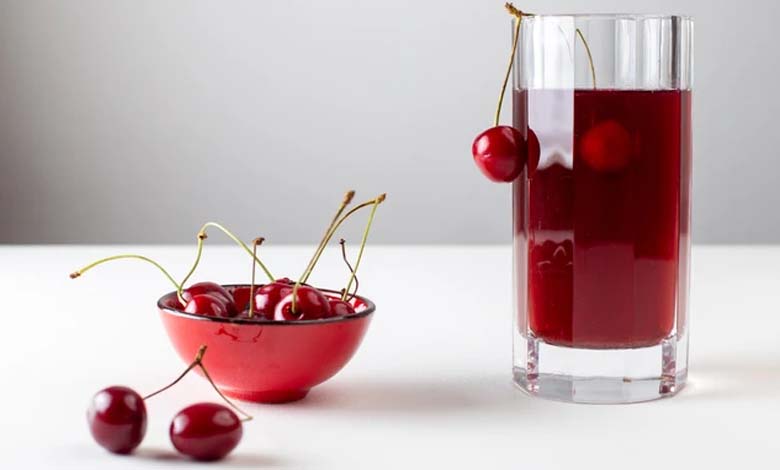
Sleep disorders affect a growing proportion of the global population across all age groups. Stress, excessive screen use, dietary imbalances, and irregular lifestyles have gradually eroded sleep quality. In response, interest in natural remedies has increased significantly. Among these, tart cherry juice has gained particular attention. But are its effects on sleep supported by science, or are they simply the result of a health trend?
Tart cherries differ from sweet cherries in their unique nutritional profile. They are naturally rich in antioxidants, particularly polyphenols and anthocyanins, as well as bioactive compounds involved in biological regulation. One of the most extensively studied components of tart cherries is melatonin, a hormone essential for initiating sleep and regulating the circadian rhythm.
Melatonin is produced naturally by the pineal gland, primarily in response to darkness. It plays a central role in regulating the sleep-wake cycle by signaling to the body that it is time to prepare for rest. Several studies have shown that tart cherries contain measurable amounts of melatonin, which may help explain their potential sleep-promoting effects.
Clinical research has found that regular consumption of tart cherry juice can lead to a modest but significant increase in circulating melatonin levels. In some participants, this increase was associated with improvements in total sleep time, reduced sleep onset latency, and better sleep efficiency, meaning a higher proportion of time spent asleep while in bed.
Beyond melatonin, tart cherry juice may also influence sleep indirectly through its anti-inflammatory and antioxidant properties. Chronic inflammation and oxidative stress are now recognized as factors that can negatively affect sleep quality. By helping to reduce these biological imbalances, the compounds found in tart cherries may create a physiological environment more conducive to restful sleep.
Several studies have focused on individuals with mild to moderate insomnia. The findings suggest that tart cherry juice may serve as a useful complementary aid, particularly among older adults, whose natural melatonin production tends to decline with age. However, the observed effects vary between individuals and do not replace medical treatment when sleep disorders are severe or persistent.
It is also important to note that tart cherry juice should not be viewed as an immediate natural sleeping pill. Its effects appear to be gradual and dependent on consistent intake, typically over several days or weeks. Most study protocols involve daily consumption, often in the morning and evening, as part of a stable routine.
From a nutritional perspective, tart cherry juice does have certain limitations. It contains natural sugars which, if consumed excessively, may pose challenges for individuals with diabetes or metabolic disorders. Moderation and personalization remain key considerations.
Moreover, improving sleep quality cannot rely on a single food or supplement alone. Health professionals emphasize the importance of a holistic approach that includes proper sleep hygiene, reduced evening screen exposure, a balanced diet, and regular physical activity.
In conclusion, current scientific evidence suggests that tart cherry juice may help improve certain aspects of sleep, particularly due to its natural melatonin and antioxidant content. While it is not a miracle solution, it can represent a valuable nutritional support within a broader strategy aimed at promoting better sleep quality.