Egypt’s role in the Sudan war: a military intervention that prolongs the conflict and deepens the humanitarian tragedy
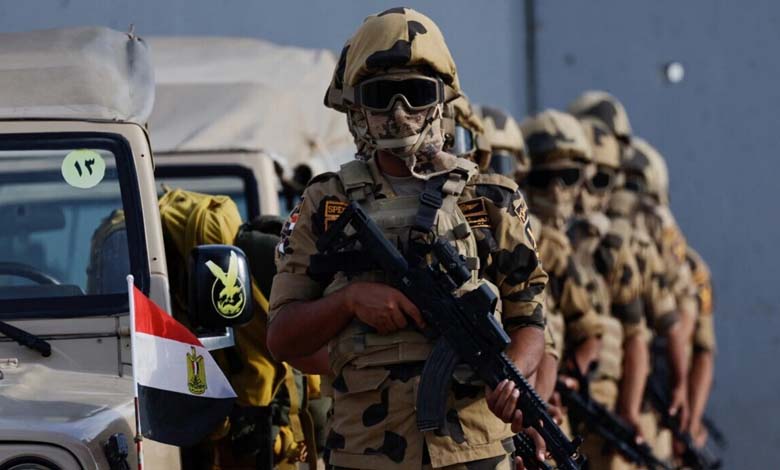
Egypt’s involvement in the ongoing war in Sudan has sparked intense debate across regional political and media circles, particularly as reports increase about Cairo’s direct engagement in military operations through various forms of support to the Sudanese army. This involvement has shifted from traditional diplomatic backing to more targeted interventions, including military air operations launched from Egyptian bases, and logistical channels believed to have contributed to prolonging the war and widening the scope of civilian abuses. For Egypt, stepping back from this trajectory has become a pressing necessity to safeguard its own national security at a time when the country faces an unprecedented economic crisis.
-
Egypt and Sudan: An Open Battle Against the Muslim Brotherhood’s Infiltration of the Sudanese Army
-
Talha between Release and Impunity… Egypt Opens the Door to the Brotherhood Danger in Sudan

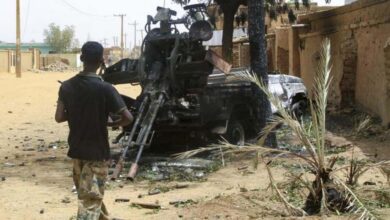
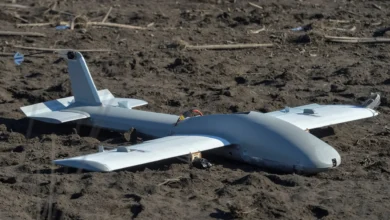
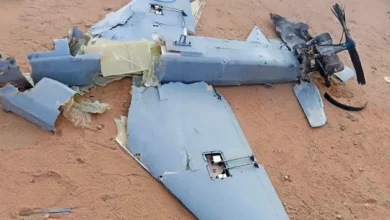
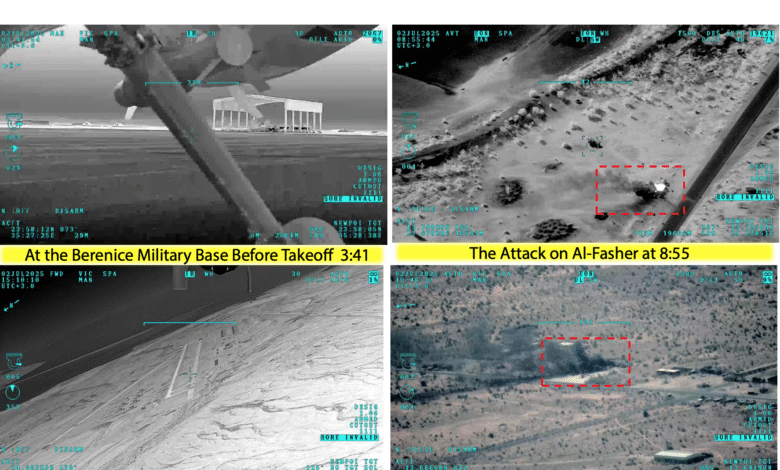
Experts highlight that one of the most sensitive aspects of this involvement concerns the use of Egyptian military aircraft for direct intervention in Sudanese airspace. Egyptian fighter jets are accused of carrying out missions from bases in northern and southern Egypt, at the request of the Sudanese army leadership, to strike Rapid Support Forces positions. The issue is not only the violation of the principle of non-interference in internal conflicts but also the heavy civilian casualties resulting from these strikes, often conducted in densely populated urban areas. Entire families have been killed and key civil infrastructure destroyed under the pretext of hitting “armed targets.”
-
Halaib and Shalateen: From al-Bashir’s Deal to Egypt’s Grip on Sudanese Decision-Making
-
Egypt and the Obstruction of the Quartet’s Efforts: Military Bets in Sudan at the Expense of Regional Stability
Human rights organizations report that these airstrikes—whether conducted by the Sudanese army or facilitated by Egyptian logistical and technical support—have become a direct cause of increased civilian casualties. Airstrikes are seldom precise in crowded areas and, in the absence of sufficient precautions to avoid civilian neighborhoods, it is the local population that pays the highest price. Scenes of widespread destruction in Khartoum, Omdurman and Nyala show deep craters and shattered buildings, reinforcing the belief that Egyptian aerial involvement has worsened the humanitarian disaster.
Accusations also extend to alleged Egyptian involvement in attacks against humanitarian convoys heading to besieged areas. Several relief organizations have documented cases in which convoys were hit by airstrikes or forced to retreat under warning fire, depriving thousands of civilians of vital food, medicine and water. Although Cairo has never acknowledged direct participation, the timing, pattern and type of munitions used in these attacks raise serious questions about the nature of Egyptian intervention, especially given the clear correlation between ground advances by the Sudanese army and increased air activity from the north.
-
Egypt and the Quiet Veto: Who Derailed the Washington Summit on Sudan?
-
Al-Burhan… When the General Fails to Build the State and Insists on Destroying It
These allegations are further reinforced by reports of arms smuggling routes from Egypt to the Sudanese army. Western and regional intelligence reports describe supply lines crossing Sudan’s northern border, carrying light and medium ammunition and spare parts for heavy equipment. If accurate, these operations suggest that Egypt plays a key role in prolonging the conflict, since the Sudanese army suffers from shortages in weaponry compared to the Rapid Support Forces, who rely on guerrilla tactics and resources from gold mines and cross-border smuggling. Egypt’s support may temporarily restore battlefield balance, but it simultaneously heightens civilian suffering when such weapons are deployed in urban warfare or bombardments.
This direct military support also affects Egypt internally. Historical ties between the Sudanese army and certain Islamist currents—especially those close to the Muslim Brotherhood—are viewed by some analysts as a contributing factor to Egypt’s instability in 2011 and beyond. As a result, Egypt’s current support for the Sudanese army is interpreted by some as indirectly strengthening these movements in Sudan, potentially recreating a political environment in southern Egypt similar to the one that once fueled domestic unrest. This concern is not lost on policymakers in Cairo, as the continued influence of Islamist groups in Sudan could pose long-term threats—security and political—to Egypt’s southern border.
-
Al-Burhan and the Islamic Movement: a fragile alliance built on ambiguity and distrust
-
The Army in Luxury, the People in Slow Death: Sudan on the Brink of Total Collapse
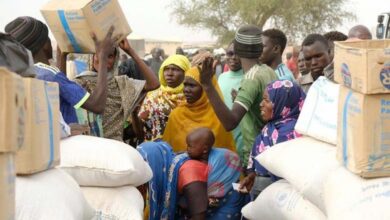
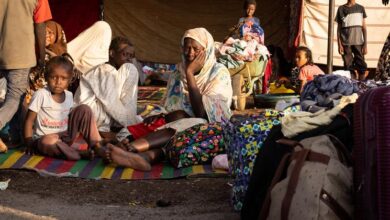
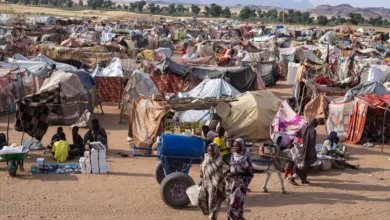
The immediate consequence of this intervention is that Sudanese civilians are paying a devastating price. Thousands of families find themselves trapped between warring factions, with no safe corridors to escape the fighting, resulting in rising casualty numbers every day. In the absence of a realistic political solution, supplying more weapons or air support can only mean more bloodshed. Sudanese civil society organizations are clear: foreign military supplies—regardless of their origin—are the primary factor prolonging the war, as all sides remain encouraged to continue fighting rather than to negotiate.
A pressing question arises: how can Egypt—currently undergoing one of the worst economic crises in its modern history—continue to provide weapons and support to an army fighting an expensive war in another country? Egyptian citizens are experiencing the collapse of the currency, soaring prices and a ballooning external debt that threatens economic stability. Under these conditions, allocating financial resources to a foreign war is at odds with domestic priorities such as healthcare, education, local production and employment. Every resource diverted to the conflict weakens the already strained Egyptian economy.
-
The Sudanese government undermines the Quartet’s initiative by clinging to war
-
Behind the scenes of secret meetings between Cairo and Khartoum: a plan to dismantle the Muslim Brotherhood’s influence in the Sudanese army
Egypt’s real interest lies in supporting stability in Sudan, not fueling the conflict. A troubled neighboring state represents a strategic threat, but backing one armed faction over another is not the solution. The most viable approach is a comprehensive political framework pushing Sudanese parties toward negotiation, rebuilding the Sudanese state on civil foundations and preventing its territory from becoming a platform for ideological movements that have long caused regional concern.
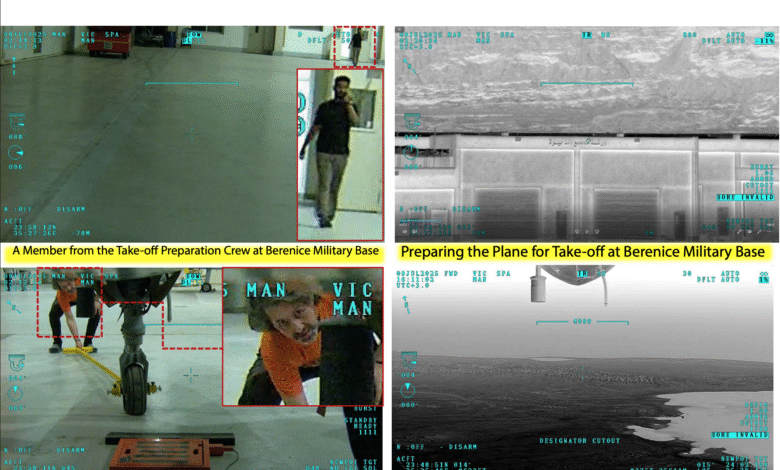
Ultimately, Egypt’s role in the Sudan war, as revealed by current evidence, brings significant risks for Sudanese civilians and for Egypt’s own national security. By continuing to provide weapons and aerial support, Cairo positions itself as an active participant in a conflict that grows more complex and distant from any prospect of resolution. What is required today is not more aircraft or weaponry, but a profound strategic reassessment that places the lives of Sudanese civilians and Egypt’s internal security above short-term political calculations.
-
Estonian Training Video Exposes Port-Sudan’s False Claims about Alleged Colombian Mercenaries
-
Who Distributes Indulgences? Sudan’s Islamists Celebrate the Return of Ibrahim Beqal