Europe strongly supports negotiations with Iran to end the war
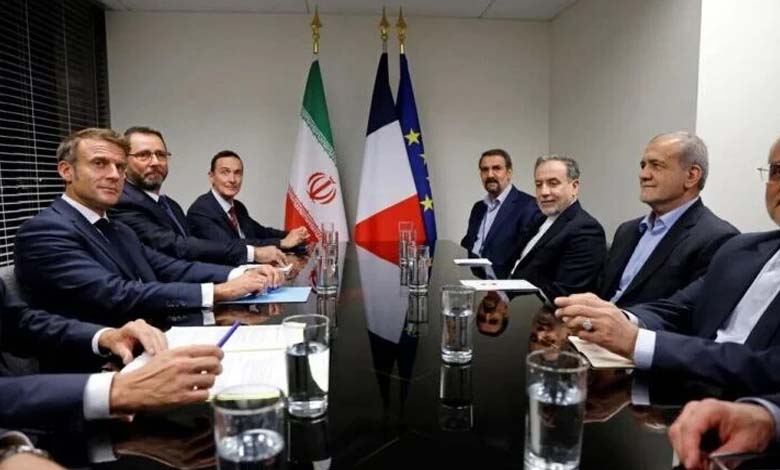
European Union countries are among the most affected by the war against Iran or by the closure of the Strait of Hormuz, due to their heavy reliance on energy imports.
European Commission President Ursula von der Leyen stated that the time has come to sit at the negotiating table with Iran in order to end conflicts in the Middle East, commenting on US President Donald Trump’s remarks about ongoing negotiations with the Iranian leadership, which were quickly denied by Tehran.
These statements were made on Tuesday during a joint press conference in Canberra with Australian Prime Minister Anthony Albanese.
-
Hours before sanctions… Iran protests against Europe’s snapback mechanism and recalls its ambassadors
-
Iranian-European Talks on Nuclear Issue and Sanctions
Von der Leyen added that the situation in the Middle East has become “critically important” for global energy supply chains, explaining that everyone is feeling the “ripple effects” of rising natural gas and oil prices, and that this situation “affects our companies and our societies.”
She continued: “But the most important thing is to reach a solution through negotiation and to end the conflicts we are witnessing in the Middle East.”
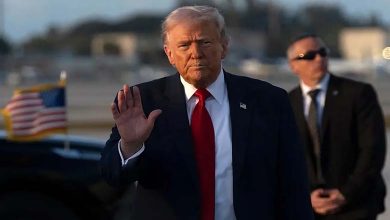
On Monday, Trump announced that “good and very productive” talks had taken place with Iran over the past two days and ordered the postponement of military strikes against Iranian energy facilities and infrastructure for five days.
-
New European sanctions against Iran and the Revolutionary Guard – Details
-
Persecution, sexual violence, and torture… European sanctions against the Taliban and the imprisonment of the Iranian Qarchak prison
The American outlet Politico had reported, citing two officials, that the US administration is quietly considering the possibility of cooperating with Iranian Parliament Speaker Mohammad Bagher Ghalibaf as a potential partner, or even as a future leader of the country.
The report indicated that Ghalibaf is viewed, at least by some White House officials, as a pragmatic partner capable of leading Iran and negotiating with the Trump administration in the next phase of the war.
In contrast, the semi-official Iranian news agency Tasnim quoted an unnamed Iranian official denying the accuracy of Trump’s statements, describing them as a “psychological operation” aimed at improving the situation of troubled energy markets.
-
Iran imposes sanctions against the European Union and the United Kingdom.. Details
-
The European Union calls on Iran to review the sentences handed down against female activist
In response to a question about the role that European Union countries could play in the Strait of Hormuz, von der Leyen indicated that European leaders “have clearly stated that they could envisage launching an operation or mission after the end of the conflicts.”
She added: “However, it is not my role to assess their decisions regarding the provision of the necessary capabilities in the Strait of Hormuz.”
European Union countries are considered among the most affected by the war against Iran and the closure of the Strait of Hormuz, particularly due to their high energy demand, as well as significant repercussions related to inflation, economic recession, and rising taxes.
-
Iran war enters day 21: bombardment and leadership bleeding
-
Death of the Iranian Revolutionary Guard spokesperson.
On March 2, Tehran announced restrictions on navigation in the Strait of Hormuz following the war waged by Israel and the United States against Iran.
Since February 28, Israel and the United States have been waging a war against Iran that has resulted in hundreds of deaths, including Supreme Leader Ali Khamenei and security officials, while Tehran has responded by launching missiles and drones toward Israel.
Iran has also targeted what it describes as American sites and interests in Arab countries, although some attacks have resulted in casualties and damage to civilian infrastructure, which has been condemned by the affected countries, calling for it to stop.
-
Washington, caught in a war funding dilemma, considers a ground operation in Iran
-
Trump and Iranian nuclear fuel: a strategic move to decide the war