Excessive Social Media Use: A Potential Risk Factor for Dementia
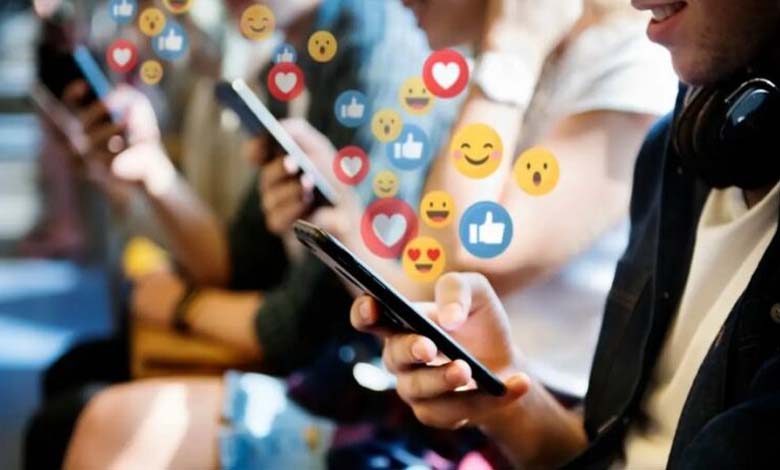
In the digital age, social media occupy a central place in daily life. Platforms such as Facebook, Instagram, TikTok, and Twitter allow users to stay connected, share information, and create virtual social networks. However, excessive and prolonged use of these tools has raised increasing concerns regarding its effects on cognitive health. Recent studies suggest that intensive social media usage may be associated with a higher risk of cognitive disorders, including dementia, in certain populations.
Cognitive Impact of Social Media
Social media continuously demand attention and memory engagement from users. Constant navigation through posts, notifications, and messages creates a form of cognitive overload that can interfere with essential brain functions such as concentration, working memory, and planning. Neuroscientists emphasize that repeated stimulation may reduce the ability to focus on complex tasks and retain important information.
Moreover, constant exposure to fragmented and superficial content promotes rapid but shallow cognition, potentially decreasing the cognitive stimulation necessary for maintaining long-term brain functions.
Social Media and Mental Health
Several studies have established links between excessive social media use and mental health issues such as anxiety, depression, and social isolation. These factors are themselves recognized as risk elements for cognitive decline and dementia. For instance, social isolation reduces intellectual and emotional stimulation, essential for maintaining neural plasticity. Chronic anxiety and depression can trigger oxidative stress and brain inflammation, accelerating neuronal aging.
Epidemiological and Experimental Studies
Longitudinal studies have examined digital habits and their impact on cognition. A study by the University of California on individuals aged 50 to 75 revealed that those spending more than four hours per day on social media exhibited a significantly higher risk of mild cognitive impairment compared to moderate users (less than one hour per day). The risk was particularly pronounced in individuals with existing vulnerability factors, such as a family history of dementia or low physical activity.
Laboratory experiments also demonstrated that subjects exposed to continuous digital information streams performed worse on short-term memory and problem-solving tests. These results suggest that prolonged and unregulated social media use can temporarily, and possibly permanently, impair certain cognitive functions.
Possible Neurobiological Mechanisms
Several mechanisms may explain the link between excessive social media use and cognitive decline. First, excessive visual and auditory stimulation overactivates the prefrontal cortex, generating cognitive fatigue and reducing sustained attention. Second, sleep deprivation associated with late-night digital use promotes the accumulation of neurotoxic proteins, such as beta-amyloid and tau, implicated in Alzheimer’s disease development.
Additionally, sedentary behavior linked to prolonged screen use contributes to reduced cerebral blood flow and decreased production of neurotrophic factors, essential for neuronal survival and growth.
Recommendations for Responsible Use
To mitigate potential risks, adopting healthy digital habits is essential:
- Limit screen time: Set a daily maximum duration for social media use and prioritize intellectually stimulating activities.
- Take regular breaks: Pause every 30 to 60 minutes to rest the brain and eyes.
- Maintain real-life social interactions: Complement digital interactions with face-to-face exchanges to reinforce social and emotional bonds.
- Stimulate the brain: Engage in reading, writing, puzzles, artistic, or musical activities to enhance cognitive functions.
- Ensure quality sleep: Avoid screens at least one hour before bedtime and maintain regular sleep schedules.
Conclusion
While social media offer undeniable benefits in communication and information access, excessive and prolonged use poses risks to cognitive health. Emerging scientific evidence suggests that such behavior may contribute to cognitive decline and increase the risk of dementia, especially in vulnerable individuals. Prevention relies on conscious regulation of digital use, engagement in cognitively stimulating activities, and maintaining real social connections. A balanced approach enables users to enjoy social media benefits while protecting long-term brain health.