F-47 and the new missile: the United States prepares for long-range warfare
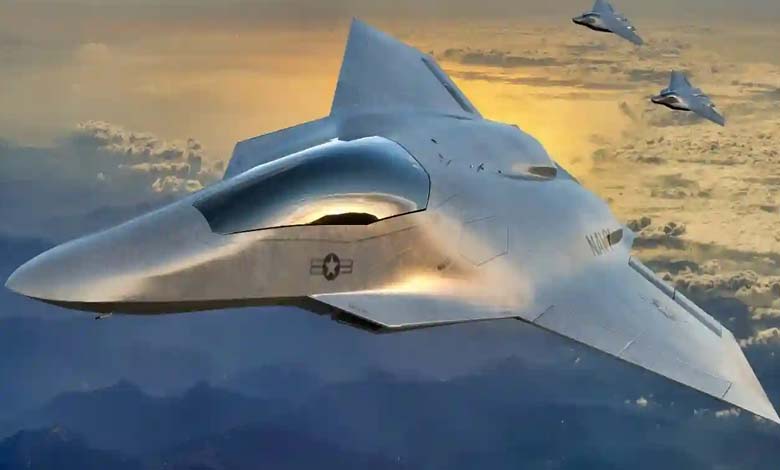
The U.S. Air Force has identified the long-range sixth-generation fighter F-47 as a future launch platform for the alternative attack missile AGM-88J.
The sixth-generation F-47 fighter had previously been expected to be deployed primarily for air-superiority roles. However, the new aircraft is expected to become more versatile than its predecessor, the F-22, after being designated as a future launch platform for the alternative attack missile AGM-88J, which is currently under development.
The missile is an upgraded version of the AGM-88G anti-radiation missile, developed to enable the fifth-generation F-35 fighter to target radar installations and air-defense systems more effectively. It is designed to be used against a wider range of targets and to serve as the primary air-to-ground missile for the F-35, according to Military Watch magazine.
Missile strike capabilities
The F-35 currently lacks significant long-range air-to-ground missile strike capabilities. The new missile is intended to strike mobile targets such as ballistic-missile launchers and cruise-missile platforms, which would significantly enhance the U.S. Air Force’s reconnaissance and strike capabilities. Its range is expected to reach approximately 300 kilometers.
On March 4, the U.S. Air Force issued a notice requesting information from industry sources, indicating its intention to expand its industrial capacity to produce the AGM-88J alternative attack missile. The notice specifically identified the F-47, along with the F-35, the F-16, and the B-21 strategic bomber, as potential launch platforms.
The F-47 was originally designed to counter new generations of Chinese fighter aircraft, particularly the long-range fifth-generation stealth fighter J-20, which analysts widely consider among the most capable air-combat aircraft in the world today.
Since December 2024, China has unveiled several prototypes and experimental aircraft representing three completely different sixth-generation fighter designs. According to various estimates, China could deploy sixth-generation fighters several years before the United States, with conservative assessments suggesting a lead of around five years.
Long-range warfare
Despite the growing strategic rivalry, the vast majority of U.S. air operations do not require such advanced air-combat capabilities. Integrating the new missile into the F-47 could therefore allow the aircraft to participate in operations in conflicts other than major wars with advanced powers such as China.
Moreover, the expected longer range of the F-47, its more powerful sensor and electronic-warfare systems, and its greater weapons-carrying capacity compared with current Western fighter aircraft may lead to its use in strike missions in situations where the survivability of the F-35 would be insufficient or its operational range too limited.
The vast distances separating U.S. military installations from potential targets in the Pacific theater increase the likelihood that fourth- and fifth-generation fighters, such as the F-35, may encounter difficulties reaching their objectives.