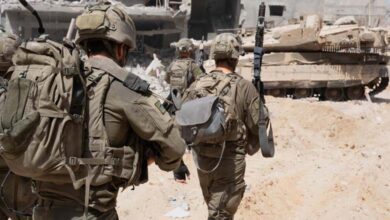
Gaza between shelling and rubble: death renewed beneath the debris
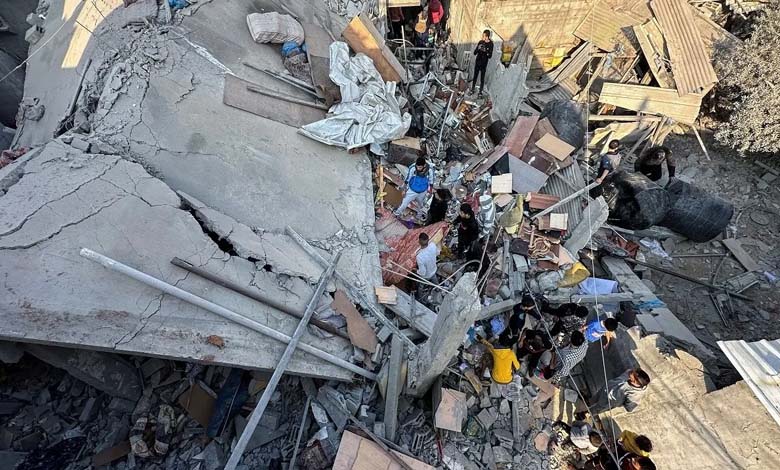
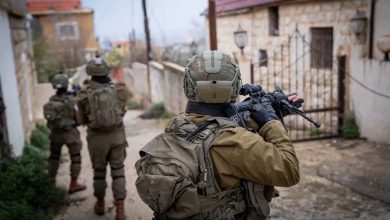
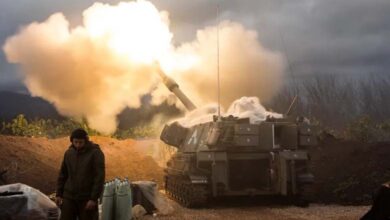
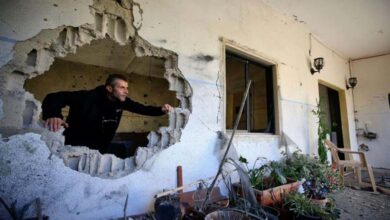
The Gaza Strip witnessed continued military escalation on Saturday, as the Israeli army carried out simultaneous bombardment operations targeting areas in the north, east and south of the territory, alongside the demolition of residential buildings.
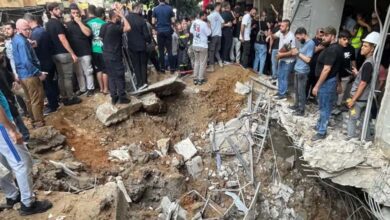
Over the past twenty-four hours, at least two people were killed and twenty-five others injured, while a number of victims remain trapped under the rubble or in the streets, unreachable by rescue teams, according to the Palestinian news agency Wafa.
-
Unprecedented Israeli Acknowledgment of a Heavy Death Toll in Gaza
-
Gaza and Iran outside the Israeli decision… Who controls them then?
The artillery strikes were accompanied by naval movements off the southern coast of the territory, as well as gunfire from helicopters in areas close to the borders, resulting in powerful explosions heard across a wide area.
Military operations also extended to eastern neighborhoods of Khan Younis, where residential buildings were demolished, alongside shelling that hit the outskirts of Gaza City and northern areas, as military activity continues at a high intensity across the entire territory.
-
A meticulously crafted ruse: the details of a nerve-racking operation that brought back an Israeli soldier from Gaza
-
Buffer zone or Israeli annexation? The yellow line threatens Gaza
Deepening humanitarian crisis
Alongside the military escalation, the humanitarian situation is worsening significantly. Gaza’s healthcare system is nearing collapse amid severe shortages of essential medicines and medical supplies, and the disruption of vital services including surgery, intensive care and treatment for chronic diseases, placing thousands of patients and wounded individuals at extreme risk.
The death toll in the Gaza Strip since the start of military operations on October 7, 2023, has reached 72,027, while the number of injured has exceeded 171,561.
Since the ceasefire came into effect on October 11, the number of deaths has risen to 576 and injuries to 1,543, with 717 bodies recovered from various locations.
-
Gaza: dawn strikes test what remains of displaced people’s patience
-
The yellow line on the ground differs from the maps… images reveal the terror in Gaza
Child death toll
In a related development, the United Nations Children’s Fund (UNICEF) announced that 37 children have been killed in the Gaza Strip since the beginning of the current year, warning that children continue to face grave dangers due to ongoing hostilities and the deterioration of health, water and education systems.
The organization stressed that the humanitarian situation in the territory remains extremely fragile, emphasizing that any failure to consolidate the ceasefire or improve humanitarian access would multiply the risks to civilians’ lives, amid an unstable on-the-ground reality that threatens further escalation.
-
Invitations and announcement of participants: developments in the Gaza Peace Council
-
Washington close to forming a Palestinian committee to administer the Gaza Strip
-
Circulating formation of the Gaza Administration Committee: 15 members headed by Ali Shaath