Heglig shifts the balance of the war: Tasis forces seize the oil lifeline and Washington reorganizes its pressure cards against al-Burhan
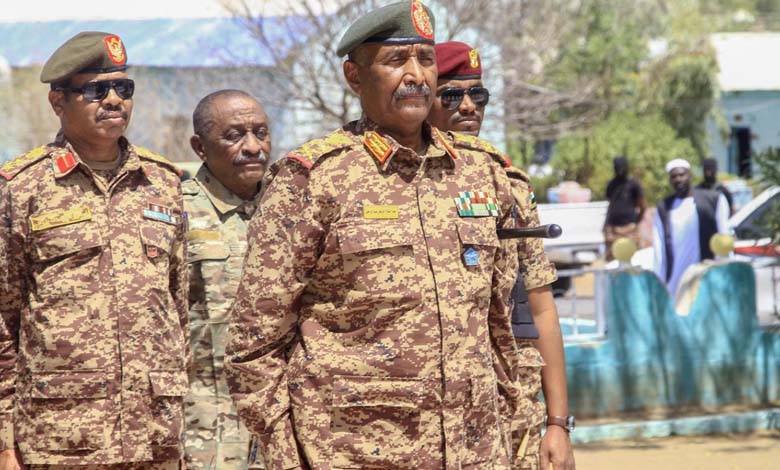
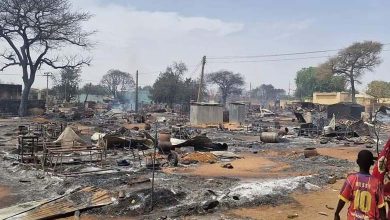
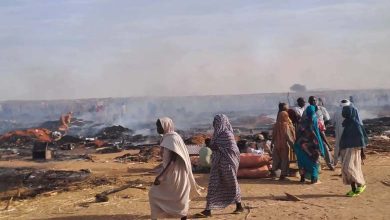
The takeover of the Heglig oil field by Tasis forces appears to be the moment when long-suppressed realities erupted onto the Sudanese scene. The war has shifted from a struggle over cities and military bases to a direct contest over the state’s economic assets and strategic resources. Heglig is not merely an oil facility; it is the equilibrium point that the Port Sudan authorities relied upon to finance military operations and ensure the continuous flow of foreign currency through the pipeline running across Sudanese territory to Port Sudan. The entry of Tasis forces into this sensitive area has stripped al-Burhan of one of his most significant leverage tools and redrawn the map of pressure within the Sudanese conflict in a way that cannot be overlooked.
-
Al-Burhan… When a General’s Survival Becomes More Dangerous than the War Itself
-
Al-Burhan and Sudan’s Blood: Failure of Military Leadership and the Alliance of Destruction
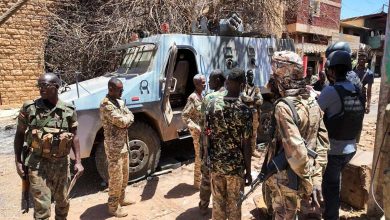
It is striking that the withdrawal did not occur under heavy assault but rather through a calculated retreat by the army and the facility’s workers, reflecting deep fears of the consequences of any clash that might halt processing or destroy equipment. This withdrawal gives a clear impression that the army is no longer able to defend sites considered a red line for the state, and that the ability of Tasis forces to reach this level of influence confirms their transformation from an armed faction into a force holding a sensitive economic decision. This development exposes structural weaknesses within the military apparatus and reveals a gap showing that al-Burhan’s army is now less capable of maneuvering and more exposed to its adversaries.
Tasis forces, for their part, sought to appear as a responsible actor, issuing through their Telegram channels a pledge to protect the facility and maintain oil supplies. This message is directed outward before inward, as they understand that the impression they make on the international community may determine how major capitals perceive them, especially given U.S. and EU interest in energy routes that influence regional stability. This development generated some confusion in global oil markets, not due to fears of an immediate supply cut, but because of the new balance of power in Sudan, where energy resources may become a bargaining chip in any future settlement.
-
Al-Burhan’s Continuity Means the Continuity of Collapse… Sudan in the Grip of the General Who Has Lost His Legitimacy
-
Al-Burhan between Islamists and the State: A Marriage of Necessity Turning into a Political Burden
Parallel to the field developments, a notable shift has occurred in how the administration of U.S. President Donald Trump handles the Sudan file. After months of limited diplomatic pressure and reliance on envoys, Secretary of State Marco Rubio announced that Trump is personally following the issue. This is not a mere political phrase; it signals that Washington now places Sudan among the matters affecting U.S. national security interests, particularly after the growing influence of the UAE and the expanding Russian role through the naval base project in Port Sudan, in addition to internal Sudanese divisions over the presence of Islamists within the army.
The gap between Washington’s vision and that of al-Burhan appears deep. The Port Sudan authority refuses to participate in any dialogue involving the UAE, despite being unable to provide evidence for its repeated accusations that Abu Dhabi is supporting Tasis forces. For the United States, ignoring the UAE is impossible: it is a key player in the Red Sea and many regional conflicts. Washington also remains unconvinced by the army’s denials regarding the presence of Islamist elements within its ranks at a moment when the U.S. administration is preparing to designate the Muslim Brotherhood as a foreign terrorist organization. Such a move places the army in a sensitive political position, as even the suspicion of ties could increase international pressure.
-
Behind the Islamic Movement’s Discontent with Al-Burhan
-
Al-Burhan and the Islamic Movement: a fragile alliance built on ambiguity and distrust
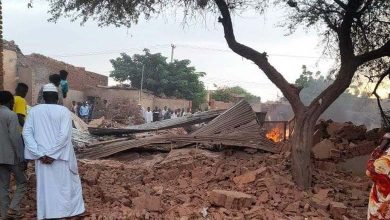
In this context, the BBC revealed an extensive investigation highlighting airstrikes carried out by the Sudanese Air Force, which, according to data collected by the “Sudan Witness” project, resulted in the deaths of more than 1,700 civilians. These victims include school students, market traders, and displaced people in camps, providing evidence of the use of unguided bombs in densely populated areas. This report exposes a dark side of the war and offers material the international community may use to pressure the army or even open the door to international accountability should the situation evolve toward a more assertive UN intervention.
As these pressures accumulate, the seizure of Heglig by Tasis forces is more than a battlefield victory. It represents a reconfiguration of the war’s nature and may be the undeclared gateway to shifting power dynamics. With the army facing a military crisis in the south, a political crisis with Washington, and a human-rights crisis before the international community, Sudan is entering a new phase that may define the future of governance, borders and resources. In this phase, every move becomes strategically weighted, and every advance reshapes the rules of the game, while the international community watches a scene where oil, politics and airstrikes intertwine, making the Sudanese war closer to a battle over the region’s future than a mere internal conflict.
-
Al-Burhan Between Failed Alliances and External Pressures: A Nation on the Brink of Collapse
-
Al-Burhan’s Delegation in a Closed Circle: Washington’s Silent Message to Sudan’s Leadership
-
Al-Burhan and the Islamist Movement: A Troubled Alliance Selling Off Sudanese Sovereignty
-
Al-Burhan’s siege brings hunger and slow death