Hezbollah and Disarmament: Lebanon Highlights Progress as Israel Mobilizes for a Limited Operation
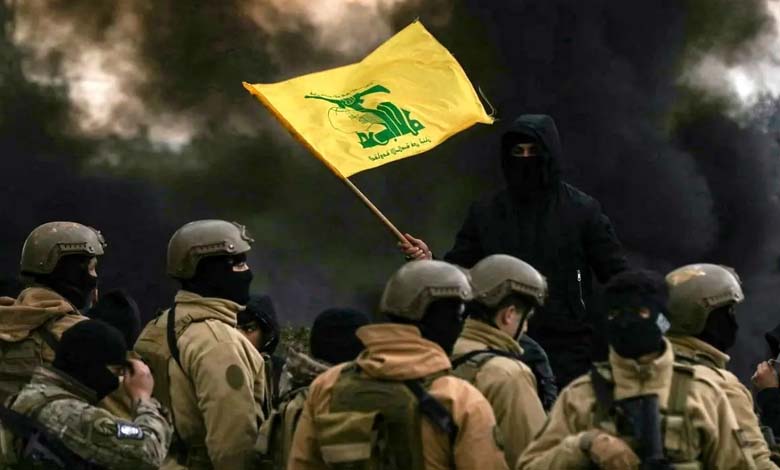
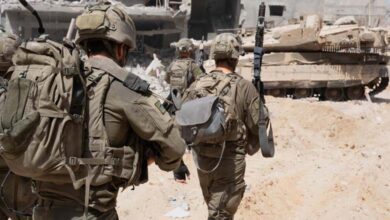
Israel is preparing for a military operation with limited objectives and duration against Hezbollah, at a time when the Lebanese government is discussing the issue of disarmament in the south of the country.
According to information from the newspaper Yedioth Ahronoth, Israel is preparing for a targeted and time-bound operation against Hezbollah.
-
Messages by Fire… Israel Targets Hezbollah Military Sites in Lebanon
-
Do not ask anything from us anymore… Hezbollah rejects disarmament north of the Litani
Military officials say this operation would not amount to a full-scale war, but rather a campaign more intense than the routine clashes that have characterized the volatile northern border in recent years.
On the diplomatic front, it appears that US President Donald Trump has placed the decision on any escalation in the hands of the Israeli leadership, according to the same source.
At the Mar-a-Lago summit in Florida, Trump stated that he would “fully support” any course of action decided by Israeli Prime Minister Benjamin Netanyahu, thereby granting political backing to Tel Aviv’s options.
-
Israel tightens its grip on Hezbollah in Lebanon: strike on training complex and weapons depots
-
Austria dismantles Hezbollah’s propaganda strategy: its activities in Europe exposed
Escalation on the Ground
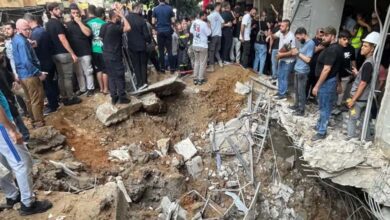
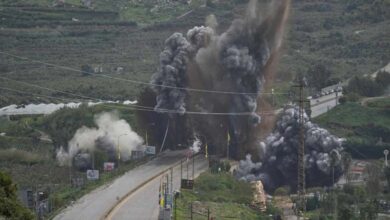
Since last Monday, Israel has intensified its airstrikes on several areas in southern and eastern Lebanon, saying they targeted military infrastructure belonging to Hezbollah and Hamas.
Lebanese President Joseph Aoun condemned the Israeli raids, stating in a communiqué that Tel Aviv’s continued “aggressions aim to undermine all efforts undertaken locally, regionally, and internationally to halt the ongoing Israeli escalation.”
Aoun noted that these actions are taking place “despite the cooperation shown by Lebanon,” particularly highlighting the government’s efforts to “extend its control” over the area south of the Litani River, which stretches approximately 30 kilometers along the border with Israel, as well as the deployment of the Lebanese army in that region, in line with the ceasefire provisions stipulating the disarmament of Hezbollah starting in this area.
-
Lebanon in 2025: the State Advances and Hezbollah Loses Its Leverage
-
Hezbollah disarmament: Paris meeting to discuss practical means of monitoring
The Lebanese Army Reports on Disarmament Progress
The Lebanese Cabinet is holding a session today, Thursday, to be briefed by Army Commander General Rodolphe Haykal on the progress achieved in implementing the plan.
Under the plan, the army is expected to complete the disarmament of Hezbollah in the area south of the Litani River by the end of 2025, before gradually continuing its mission in other regions.
Lebanese officials confirm that the army has completed the first phase of the plan, but Israel questions the effectiveness of these steps and accuses Hezbollah of rebuilding its military capabilities.
-
Israel strikes Hezbollah positions in Lebanon
-
After the war with Israel, has Hezbollah rebuilt its military arsenal?
On Wednesday, the Lebanese army announced that it had achieved the objectives of the first phase of the weapons restriction plan.
In a statement, it said that “its plan to restrict weapons has entered an advanced stage, following the effective and tangible achievement of the first phase’s objectives on the ground.”
It explained that this phase focused on expanding the army’s operational presence, securing vital areas, and extending operational control over territories under its authority in the sector south of the Litani, with the exception of lands and sites still under Israeli control.
-
Iranian insistence on sponsoring Hezbollah tests the limits of Lebanese sovereignty
-
For the second time in a week… Israel strikes a Hezbollah training camp in Lebanon
The army added that “work is ongoing until the treatment of unexploded ordnance and tunnels is completed, as well as the implementation of measures to consolidate control, with the aim of preventing armed groups from rebuilding their capabilities in an irreversible manner.”
It also noted that a comprehensive and general assessment of the first phase of the “Shield of the Nation” plan would be conducted, serving as a basis for determining the course of the subsequent phases of the established plan.
-
What Awaits Lebanon if Washington’s Deadline for Hezbollah’s Disarmament Expires?
-
Israel raises its threat level against Hezbollah to force its disarmament
In this context, the army pointed out that “the continued Israeli attacks on Lebanese territory and the occupation of several sites within it, along with the establishment of buffer zones restricting access to certain areas, in addition to the ongoing daily violations of the cessation of hostilities agreement issued on November 27, 2024.”
It stressed that “all of this negatively affects the accomplishment of the required tasks, particularly in the vicinity of these areas, and consequently the extension of Lebanese state authority and the confinement of weapons to the armed forces alone, without exception. Added to this is the delay in the delivery of the promised military capabilities to the army, which constitutes a significant factor influencing the pace of task implementation.”
-
Thirty years of pursuing him inside Hezbollah… How did Israel reach al-Tabtabai?
-
One year after the end of the war… 669 Israeli strikes in Lebanon and 360 Hezbollah fighters killed
“Insufficient” Efforts
Last Sunday, Israeli Foreign Minister Gideon Saar acknowledged on his account on the X platform that the Lebanese government and army had made efforts to disarm Hezbollah, but said these efforts were “far from sufficient.”
Saar also referred to “Hezbollah’s efforts to rearm and rebuild, with Iranian support.”
For its part, Hezbollah rejected calls to hand over its weapons, conditioning any such step on Israel’s prior commitment to the ceasefire agreement, particularly regarding the cessation of strikes and the withdrawal of its forces from five points it still occupies in the south of the country.
Since the agreement came into effect, more than 350 people have been killed by Israeli strikes in Lebanon, according to a toll compiled by Agence France-Presse based on data from the Lebanese Ministry of Health.
-
Washington bets on drying up Hezbollah’s funding sources to force it to lay down its arms
-
Hezbollah’s knockout strike strategy falters amid Israeli divisions
-
From drones to smart munitions: how is Hezbollah rearming itself?