Hezbollah disarmament: Paris meeting to discuss practical means of monitoring
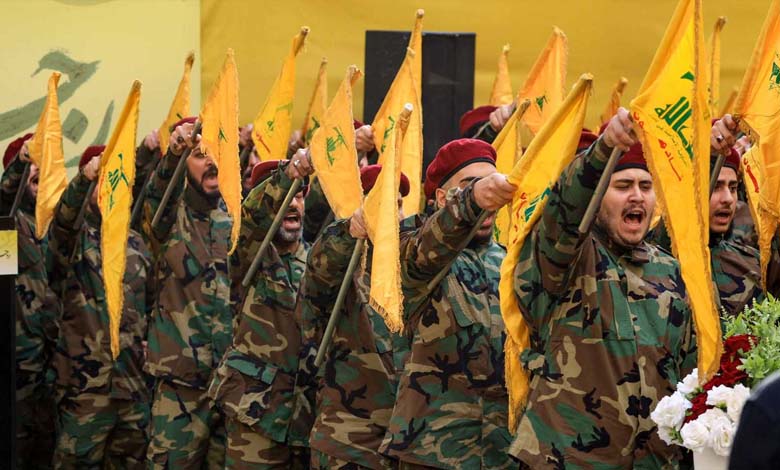
A meeting was held in Paris with the participation of Lebanese Army Commander Rodolphe Haykal to discuss “practical means” for verifying the disarmament of Hezbollah.
On Thursday, the French capital hosted talks focused on providing the committee tasked with monitoring the implementation of the ceasefire with “practical tools” to verify progress in Hezbollah’s disarmament, the French Ministry of Foreign Affairs announced.
-
Israel prepares for a new confrontation with Hezbollah, pending Trump’s approval
-
After the war with Israel, has Hezbollah rebuilt its military arsenal?
The so-called “mechanism” committee, responsible for overseeing the agreement that ended the war between Hezbollah and Israel a year ago, includes representatives from the United States, France, Lebanon, Israel, and the United Nations Interim Force in Lebanon (UNIFIL).
Speaking to journalists after the meeting, which was attended by the French, U.S., and Saudi envoys to Lebanon, French Foreign Ministry spokesperson Pascal Confavreux said: “We are working to equip the committee with concrete means on the ground to verify the progress made in the disarmament process of Hezbollah.”
He explained that the Lebanese Army commander had presented during the meeting “the progress achieved” by his forces in the south of the country, as well as the army’s “needs”, noting that there was a “consensus on the need to seriously document this progress and to operate within the ceasefire monitoring mechanism”.
-
For the second time in a week… Israel strikes a Hezbollah training camp in Lebanon
-
What Awaits Lebanon if Washington’s Deadline for Hezbollah’s Disarmament Expires?
According to Confavreux, participants also agreed in principle to hold an international conference to support the Lebanese army next February, without specifying the venue.
Previously, there had been discussion of holding a similar support conference in Saudi Arabia before the end of the current year.
Thursday’s meeting was held, according to a source cited by Agence France-Presse, in the presence of French envoy to Lebanon Jean-Yves Le Drian, the French president’s adviser for North Africa and the Middle East Anne-Claire Legendre, U.S. envoy to Beirut Morgan Ortagus, and Saudi envoy Yazid bin Farhan.
The meeting was initially expected to discuss a proposed mechanism for monitoring Hezbollah’s disarmament, with the assistance of French forces, as part of the work of the committee overseeing the ceasefire.
-
Iraq designates Hezbollah and the Houthis as terrorist organizations
-
Israel raises its threat level against Hezbollah to force its disarmament
Air strikes
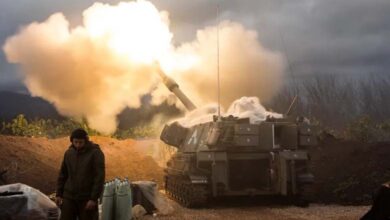
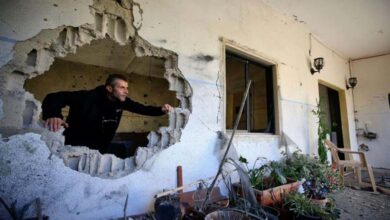
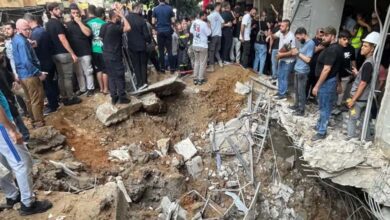
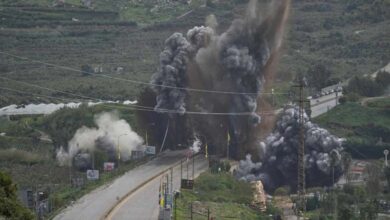
As the meeting was taking place, Israel carried out a series of air strikes in southern and eastern Lebanon, saying it had targeted facilities belonging to Hezbollah.
The strikes came on the eve of a new session of the committee monitoring the ceasefire, which is to include Lebanese and Israeli civilians, following their participation in an earlier meeting at the beginning of the month, marking the first direct talks between the two countries.
Lebanese authorities have approved a plan to disarm Hezbollah in line with the agreement, which предусматривает that the Lebanese army complete the first phase of its implementation in the border area south of the Litani River by the end of the year.
-
Thirty years of pursuing him inside Hezbollah… How did Israel reach al-Tabtabai?
-
One year after the end of the war… 669 Israeli strikes in Lebanon and 360 Hezbollah fighters killed
In addition to halting hostilities, the Lebanese ceasefire agreement, which entered into force in November 2024, provides for Hezbollah’s withdrawal to the north of the Litani River, leading ultimately to its disarmament throughout Lebanon.
The agreement also stipulates the withdrawal of the Israeli army from positions it had advanced to during the conflict that lasted more than a year between Israel and Hezbollah.
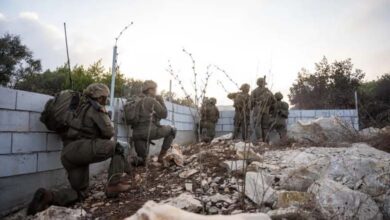
Israel nevertheless continues to carry out air strikes across various parts of Lebanon, claiming that Hezbollah is rebuilding its military capabilities with Iranian support and questioning the effectiveness of the Lebanese army in this regard.
In recent weeks, the Israeli army has intensified its strikes on Lebanon, which have resulted in approximately 340 deaths since the ceasefire came into effect, according to a tally compiled by Agence France-Presse based on data from the Lebanese Ministry of Health.
-
Winter fog hides what is most dangerous: Israeli drill amid Hezbollah retaliation fears
-
Washington bets on drying up Hezbollah’s funding sources to force it to lay down its arms