Hezbollah Explosives Case Pushes Lebanon to the Brink of Confrontation
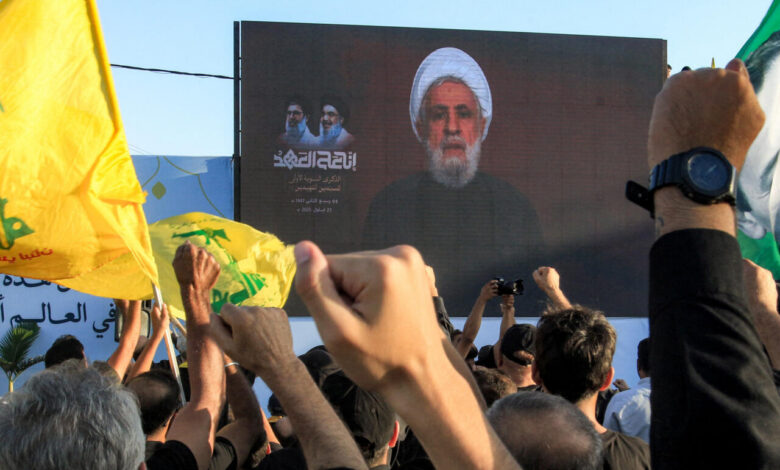
Cabinet deliberations reveal political divisions over the next step, with some factions pressing for the case to be referred to the Judicial Council while others favour caution, fearing an internal confrontation.
Lebanon’s cabinet has decided to continue examining whether to refer the case of an explosives shipment claimed by Hezbollah to the Judicial Council, without reaching a final decision. The move reflects an intensifying political and legal confrontation over the state’s exclusive control of weapons. It also presents a new test for the party’s relationship with governing institutions, as the confrontation with Israel continues and implementation of arrangements concerning security and military deployment in the south remains stalled.
Following the cabinet meeting chaired by President Joseph Aoun at Baabda Palace, Information Minister Paul Morcos said the government considered the case serious because of the threat it posed to national security and public safety. He stressed that the investigation must continue without restrictions or limits other than those imposed by law. He added that the cabinet had decided to continue considering the Justice Ministry’s request to refer the case to the Judicial Council as the investigation progresses.
This process is particularly significant because referral to the Judicial Council would place the case before an exceptional judicial body responsible for the most serious crimes affecting state security and civil peace. The absence of a final decision, however, suggests that the government is balancing its determination to address weapons held outside official institutions against the political and security complications that referral to this more sensitive judicial forum could create.
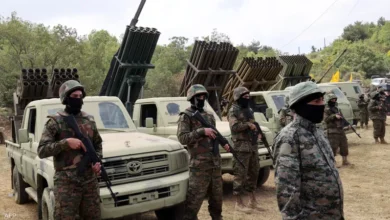
Security forces intercepted a truck carrying large quantities of explosives in early October. Hezbollah acknowledged ownership of the shipment, saying it was intended for use against Israeli forces in southern Lebanon. It demanded the return of the explosives and the release of those detained in connection with the case. This stance places it in direct opposition to the government’s efforts to assert authority over the possession, transport, and use of weapons.
The case follows the government’s decision of 5 August 2025 to establish exclusive state control over weapons, encompassing Hezbollah’s arsenal and its military and security activities. It also aligns with Prime Minister Nawaf Salam’s insistence on broadening the investigation and arresting those involved in possessing and transporting weapons outside the legal framework. He has stressed that decisions on war and peace must remain exclusively with the state and its constitutional institutions.
Cabinet deliberations reveal political divisions over what should happen next. Some factions support referral to the Judicial Council, while others favour delaying the move for fear of triggering an internal confrontation. Lebanese reports said Parliamentary Speaker Nabih Berri advised postponing the referral until the investigation was complete. Other political parties, including the Lebanese Forces and Kataeb, expressed support for the proposed judicial process.
Hezbollah is likely to continue opposing the referral, arguing that the shipment is connected to the confrontation with Israel and that transferring the case to the Judicial Council amounts to political targeting that goes beyond investigating the circumstances of the explosives’ transport. The party could intensify its media and political campaign through its lawmakers and allies, pressing to prevent a cabinet decision it would view as setting a precedent for dealing with its weapons. Rising street tensions cannot be ruled out, particularly after lawmakers close to the party warned of the consequences of the current course. This does not, however, mean that open confrontation is inevitable.
The case’s significance extends beyond the fate of the shipment and the detainees. It touches the core dispute over who holds decision-making authority on security and war in Lebanon. The government seeks to establish that the possession, transport, and use of weapons fall under official institutions’ authority. Hezbollah, meanwhile, maintains that its weapons are legitimate in confronting Israel and links relinquishing them to an end to Israeli occupation and attacks.
Continuing Israeli attacks and the occupation of Lebanese territory make this dispute even more sensitive. They provide the party with arguments for retaining its military capabilities, but do not establish the legality of transporting the explosives or exempt those responsible from investigation. Between national security requirements and the risk of internal division, the government’s final decision will reveal its ability to enforce the law without turning the case into a broader political confrontation.